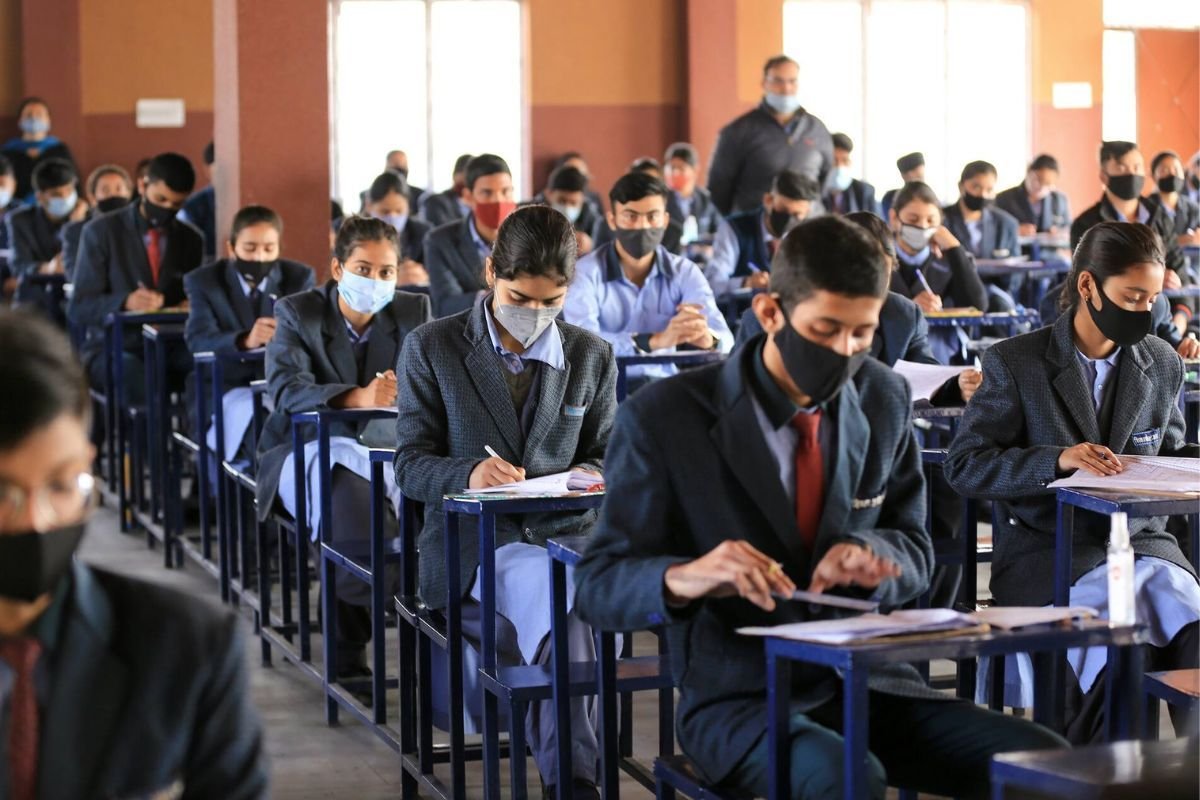




The Central Board of Secondary Education (CBSE) supplementary examination serves as a crucial opportunity for students who have not secured the minimum passing marks in their regular exams. This process is designed to help students recover from academic setbacks and continue their educational journey with minimal disruption. By providing a second chance to succeed, the supplementary examination plays an essential role in ensuring that students can meet the necessary qualifications to advance in their academic careers.
Students may opt for the supplementary exam for several reasons. Commonly, students face challenges such as illness during exams, personal circumstances that impact their performance, or simply the pressure that comes with high-stakes testing, leading to unsatisfactory results. Additionally, some students may have struggled with specific subjects, resulting in low marks in those areas, while excelling overall. The supplementary examination allows these students to focus on improving their scores in the subjects where they faced difficulties, ultimately enhancing their overall grades.
The importance of the CBSE supplementary examination cannot be overstated. For many students, this process is a lifeline, offering them a chance to turn around their academic records and achieve their goals. It allows them to avoid the consequences of failing, such as year loss or having to repeat a grade. Moreover, successfully passing supplementary exams can instill a sense of achievement and confidence, encouraging students to adopt a more determined approach towards their studies.
The structure of supplementary exams generally mirrors that of the standard examinations, providing an inclusive platform where students can demonstrate improved understanding and mastery of the subject matter. These exams typically take place shortly after the declaration of regular exam results, thus minimizing the gap in the academic timeline and ensuring that students remain engaged with their studies.
Eligibility Criteria for Re-evaluation
The re-evaluation process for CBSE 12th class students is crucial for those who believe that their examination marks do not accurately reflect their performance. To participate in the re-evaluation process, students must meet certain eligibility criteria set by the Central Board of Secondary Education (CBSE). Understanding these requirements is essential for a successful application.
First and foremost, students must have received an unsatisfactory grade on their examination, which can be a failing mark or a score significantly lower than what they anticipated. CBSE typically allows students to apply for re-evaluation only if they have scored between 0 to 49 marks in any subject. Additionally, students who feel that their answer sheets were not valued appropriately may also qualify for this process.
Documentation is a critical component of the re-evaluation application. Students are required to submit a formal application form, which can be obtained from the official CBSE website. Along with the form, applicants must include a copy of their marksheet for reference. It’s also advisable to keep a record of any supplementary documents that may support their case, although this is not always mandatory.
Timeline considerations are equally important when applying for re-evaluation. CBSE typically announces specific dates for the re-evaluation process following the release of results. Students are encouraged to be vigilant regarding these deadlines, as late applications may not be entertained. The re-evaluation process generally takes a few weeks, after which the revised scores are published, allowing students to plan for their future academic pursuits based on these results.
By adhering to these criteria and understanding the importance of timely applications and proper documentation, students can effectively navigate the re-evaluation process and enhance their academic opportunities.
Steps for Applying for Re-evaluation
Applying for the re-evaluation of CBSE 12th class supplementary exam results is a crucial step for students who feel that their marks do not reflect their true potential. This process allows students to seek a reassessment of their examinations, and it is important to follow the established steps to ensure a smooth experience.
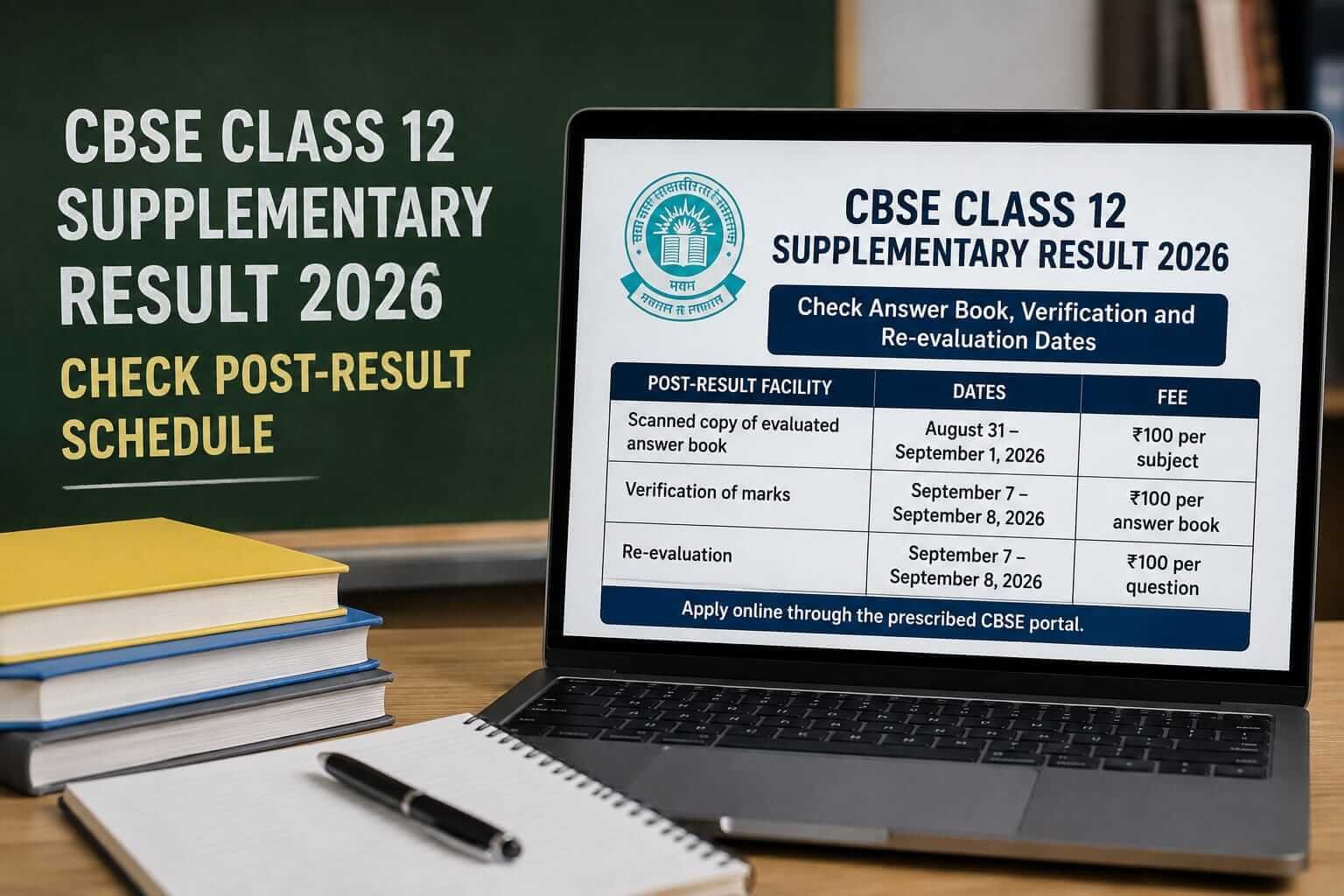
The first step in the re-evaluation process is to check the official CBSE website for all relevant information regarding the re-evaluation of supplementary results. The board typically provides a notification outlining the procedure, including important deadlines for applications. Students must be vigilant about these dates to avoid missing the opportunity to apply.
Once the notification is reviewed, students should obtain the necessary application form for re-evaluation. This form can often be found on the official CBSE portal under the examination section dedicated to re-evaluation and supplementary exams. It is essential to fill out the form accurately, including personal details and specific subjects for which re-evaluation is requested.
The next step is to pay the required fees associated with the re-evaluation process. The fee amount is specified in the notification and varies based on the number of subjects for which re-evaluation is sought. Students should ensure that payment is made through the accepted modes as outlined in the guidelines, such as online payment or bank challans.
After completing the form and payment, students must submit their applications within the stipulated deadline. This submission can generally be done online or by mailing the completed form along with payment proof to the designated address provided by CBSE. Keeping a copy of the submitted application is advisable for future reference.
Lastly, students should monitor the CBSE website for updates regarding their re-evaluation results, which are usually released within a specific time frame. By following these steps meticulously, students can effectively navigate the re-evaluation process of their supplementary exam results.
What to Expect After Applying
After submitting an application for the re-evaluation of CBSE 12th class exam results, students may experience a period of anticipation as they await the outcome. It is important for students to familiarize themselves with the timeline and procedures that follow their application.
Typically, the CBSE board sets a specific time frame for processing re-evaluation requests. Once the application has been submitted, students can expect to receive the results within a duration of approximately 15 to 30 days. This timeline can vary each year, depending on factors such as the number of applications received and the board’s processing capabilities.
Results of re-evaluated papers are communicated to students in a specific manner which is generally consistent with how the initial exam results were announced. Often, students will find their updated scores published on the official CBSE website. Additionally, schools and affiliated institutions may also provide the revised results to students through their respective channels. It is advisable for students to keep an eye on all available platforms to ensure they do not miss any updates.
If a student finds that their marks after re-evaluation are still not satisfactory or feel that the evaluation was still inaccurate, there is usually a further course of action they can pursue. This may involve filing a petition for scrutiny, where the answer sheets are reviewed again, potentially highlighting any discrepancies in the marking process. Detailed guidelines for this process can typically be found in the official CBSE notifications released after the re-evaluation phase.
In summary, understanding what to expect after applying for re-evaluation can greatly assist students in managing their post-exam stress. With a clear idea of the timeline for results and the subsequent steps available, students can be better prepared for the outcomes of their re-evaluation applications.