NEET The National Eligibility cum Entrance Test (Undergraduate), commonly referred to as NEET (UG), is a pivotal examination that facilitates entry into various undergraduate medical programs in India. Conducted annually by the National Testing Agency (NTA), this exam holds significant importance for students aspiring to pursue a career in medicine and allied health science fields.
NEET (UG) serves as a standardized test assessing the knowledge and competencies of candidates in subjects such as Physics, Chemistry, and Biology. By centralizing the admissions process through a singular examination, the NTA aims to streamline medical admissions across the country, ensuring a fair opportunity for all eligible candidates. This initiative is particularly crucial in a country like India, where the demand for quality medical education far outweighs the available seats.
To be eligible for NEET (UG), candidates must meet specific criteria, including age limits and educational qualifications. Typically, applicants must have completed their higher secondary education (12th grade) with a minimum percentage of marks in the required subjects. This ensures that only those with the requisite background knowledge and academic preparedness can compete for a place in the prestigious medical colleges.
Moreover, the NEET examination format consists of a multiple-choice question (MCQ) pattern, encompassing a total of 180 questions to be completed in a span of three hours. The structured nature of the exam helps in evaluating the candidates effectively, providing a clear benchmark for assessment. As a result, securing a good rank in the NEET (UG) examination is essential for aspiring medical students aiming to secure admission to graduate medical programs across various institutions in India.
Details of the 2026 Re-Examination
The NEET (UG) 2026 re-examination was necessitated by unforeseen circumstances that affected the integrity of the initial examination. Several instances of technical glitches and allegations regarding question paper leaks prompted the National Testing Agency (NTA) to take decisive action. Such measures were deemed vital to ensure fairness and transparency in the selection process for aspiring medical candidates.
The re-examination took place on dates strategically selected to accommodate a wide pool of candidates. It occurred over two days, specifically on April 15 and April 16, 2026, allowing students adequate time to prepare following the disruptions caused by the earlier exam. These adjustments were important in maintaining the authenticity and credibility of the NEET (UG) examination process.
In terms of changes made to the re-examination format, the NTA implemented several modifications to improve the overall experience for candidates. Among these were enhancements in the technology used for conducting the tests, aimed at minimizing disruptions. Moreover, to ensure a level playing field, the question patterns underwent slight revisions, while the syllabus remained consistent with previous years. This enabled students to engage with a fair and unbiased assessment of their knowledge and skills.
The turnout for the re-examination was notably substantial, with a majority of the originally registered candidates electing to participate. This high response rate clearly reflects the students’ commitment to pursuing their medical careers and the trust placed in the examination system. Feedback obtained post-examination highlighted a generally positive reception regarding the conduct of the re-test, underscoring the importance of maintaining standards in such high-stakes assessments.
Results Announcement and What It Means for Candidates
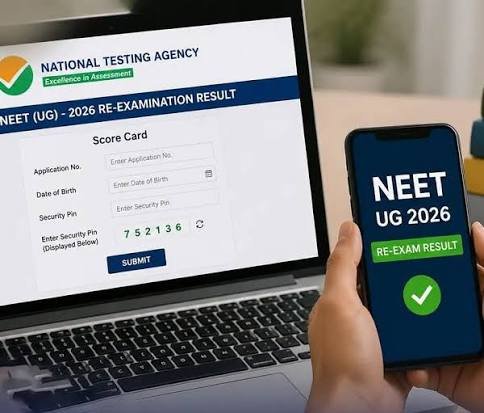
The National Testing Agency (NTA) has officially declared the results of the NEET (UG) 2026 re-examination, providing an opportunity for candidates who participated to assess their performance. This announcement is critical, as it not only reveals individual scores but also determines the rank of each student. Candidates can conveniently access their results through the NTA’s official website, where they will find detailed scorecards outlining their marks and corresponding ranks.
For many aspirants, the outcome of this re-examination is pivotal, especially as it plays a crucial role in their pursuit of admission to medical colleges across India. The NEET score is a critical criterion for eligibility in various government and private medical institutions, and a strong performance can significantly enhance a candidate’s chances of securing a place in their desired program. Thus, understanding the implications of their results is imperative for candidates as they navigate the admission process.
Furthermore, the NTA has issued official statements regarding the results, addressing queries related to cut-off scores and any pertinent changes in the admissions process. It is anticipated that the cut-off scores may vary when compared to previous years due to the outcomes of the re-examination, thereby influencing the selection criteria for many institutions. Candidates are encouraged to stay updated on any announcements made by the NTA concerning changes in admission policies as these could impact their future avenues for medical education.
As students process their results, the pathway ahead may become clearer, guiding them towards their next steps, whether it be preparing for further rounds of admission processes or considering alternative academic options based on their performance in the NEET (UG). The results signify a new chapter for these candidates, underscoring the importance of diligent preparation and persistence in the face of challenges.
Next Steps for Successful Candidates
Successfully clearing the NEET (UG) 2026 re-examination is an important milestone for aspiring medical students. Upon receiving their results, candidates must embark on a series of critical next steps to navigate the admission process effectively. The first crucial step involves understanding the counseling schedule, which is typically published by the National Testing Agency (NTA) or respective medical admission authorities. Candidates are required to keep an eye on official announcements for detailed timelines regarding registration, choice filling, and seat allocation procedures.
Following the counseling schedule, successful candidates must prepare for the document verification process. This will entail presenting essential documents such as the NEET scorecard, identity proof, and educational certificates to authenticate their credentials. It is vital for candidates to ensure that all documents are complete and in order to avoid any delays in the admission process.
Once candidates have successfully registered and verified their documents during the counseling, they will be required to select their preferred medical colleges. Understanding the merit list is fundamental in this selection phase, as it determines the available options based on the candidate’s rank. Candidates should familiarize themselves with how the merit list works, as it provides insight into the likelihood of securing a seat in their desired institution and course of study.
Furthermore, it is advisable for candidates to research various medical colleges and their programs to make informed decisions. Factors such as college reputation, infrastructure, faculty, and placement opportunities should influence their choices. By diligently following these steps, successful candidates can navigate the admission process with confidence and position themselves to pursue their desired medical career efficiently.