







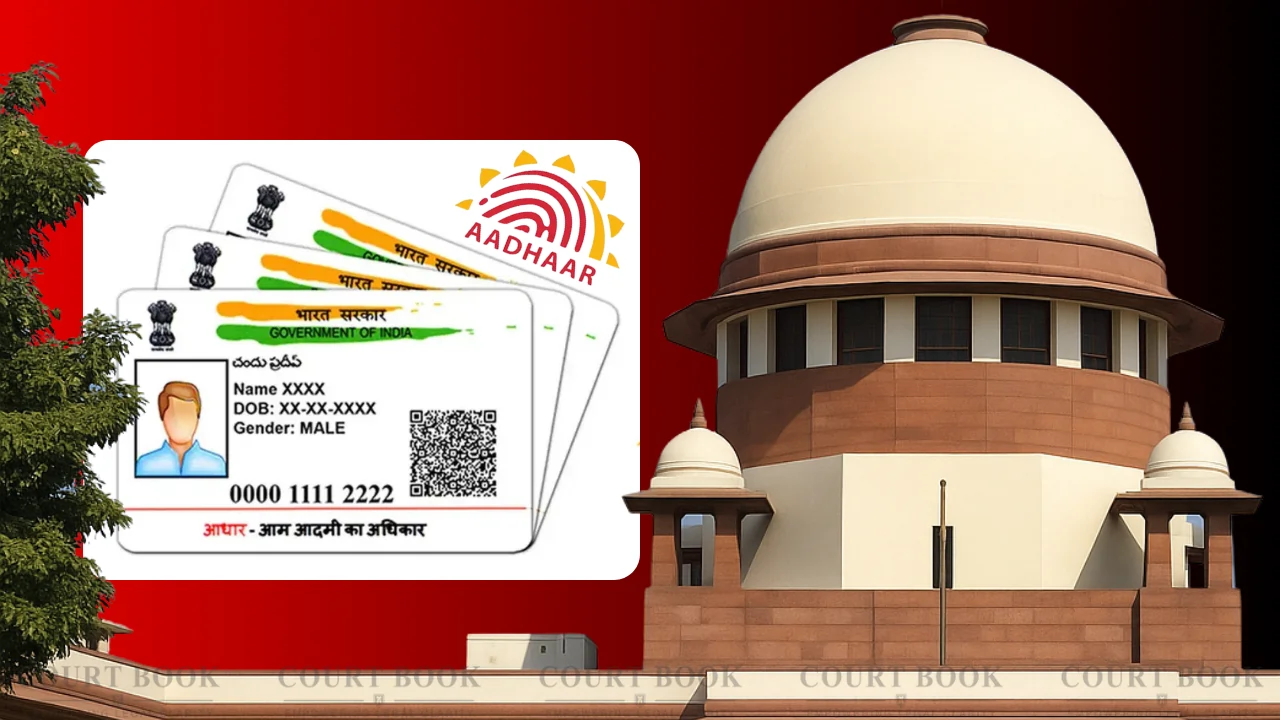
Aadhaar ID The recent ruling by the Supreme Court of India concerning the Central Board of Secondary Education (CBSE) has significant implications for student rights and privacy. The court has mandated that CBSE must implement an explicit opt-out option for Aadhaar identification for all students across the nation. This landmark decision arises from ongoing discussions about personal data protection and the extent to which identity verification should be tied to governmental databases, particularly in educational settings.
The Supreme Court’s verdict emphasizes the right to privacy as a fundamental aspect of individual freedom, particularly for minors, who often may not fully understand the long-term consequences of sharing biometric data. By instituting a clear opt-out procedure, the court aims to enhance student agency and ensure that the choice to provide such sensitive information is left to the individual and their guardians, rather than being coerced through mandatory requirements.
This ruling is seen as a pivotal step in reinforcing the importance of personal autonomy in the face of increasing digitization of services in India. With a growing number of educational institutions requesting Aadhaar numbers for enrollment and examination processes, the court’s decision provides a necessary counterbalance, allowing families to make informed choices regarding their children’s identification options. It underscores the judiciary’s role in safeguarding privacy rights amidst the advent of technology-driven governance.
As the implementation unfolds, it will be vital for stakeholders, including educational institutions, regulators, and students themselves, to navigate this new landscape carefully. Understanding the nuances of opting out of Aadhaar while ensuring compliance with educational policies will be essential for a smooth transition, setting a precedent for future discussions on data privacy and security in India.
The Importance of the Aadhaar ID Opt-Out Option
The introduction of Aadhaar ID in educational institutions has streamlined various administrative processes. However, the mandatory nature of this identity framework raised significant concerns regarding privacy and data security, particularly for students. Having an opt-out option for Aadhaar ID becomes essential not just as a matter of choice, but as a means to address the legitimate fears surrounding the handling of sensitive biometric data.
Firstly, biometric data, by its very nature, is unique and unchangeable. Unlike passwords or identification numbers, a person’s biometric identity is irreplaceable. This uniqueness poses a risk; if misused, it could lead to identity theft or unauthorized access to personal information. The opt-out option provides students and their families a necessary respite from these threats, allowing them to retain control over their personal data.
Moreover, the potential for data misuse is a key factor that justifies the need for such an option. Reports of data breaches in various sectors indicate that all systems are vulnerable to attacks, and educational institutions are no exception. The risk of sensitive data being leaked or mishandled necessitates a robust framework ensuring that families can make informed decisions about their children’s information.
Additionally, parental consent and awareness are paramount in scenarios involving student data. The choice to opt out reinforces informed consent, allowing parents to actively participate in safeguarding their children’s identities. This empowerment fosters a safer educational environment, where families can choose how their child’s data is managed and used.
Thus, the Aadhaar ID opt-out option is crucial for enabling students and parents to navigate the complexities of digital identity in education. In doing so, it bolsters a framework that respects individual privacy, mitigates risks associated with data misuse, and emphasizes informed consent within familial decision-making.
Impact on Students and Educational Institutions
The Supreme Court’s recent ruling mandating that the Central Board of Secondary Education (CBSE) offer an opt-out option for Aadhaar ID registration is poised to have significant repercussions for both students and educational institutions. Under the new directive, schools and colleges will be required to reassess their approach to student enrollment processes and data management, ensuring that Aadhaar linkage is not a compulsory criterion for admission.
This ruling aligns with the broader ethos of protecting individual privacy rights, particularly in educational settings. Schools will need to review their current enrollment forms and procedures to incorporate the option for students and parents to decline Aadhaar submission without facing penalties or discriminatory treatment. This change necessitates a comprehensive modification of the administrative protocol, training staff to manage the updated processes smoothly and effectively.
Furthermore, the implementation of this opt-out provision will require institutions to consider alternative methods for verifying student identity and maintaining records. Institutions may face administrative challenges in transitioning from a reliance on Aadhaar IDs to other forms of identification, needing to establish new systems to handle documentation and data security appropriately.
Challenges could arise in the form of resistance from parents who perceive the Aadhaar ID as a standard requirement, along with logistical issues surrounding how to accommodate students opting out. The education sector must proactively engage in outreach and education to clarify the benefits of the opt-out option, while also ensuring legal compliance with the Supreme Court’s directive.
As schools and colleges navigate these changes, they must also remain vigilant about protecting the integrity of student data throughout this transition. Building robust frameworks for managing student identification and personal information will solidify trust between educational institutions and the families they serve. Overall, this ruling represents a pivotal moment for educational policy, emphasizing the significance of personal choice in the increasingly digital landscape of education.
Future Implications and Considerations
The Supreme Court’s recent directive to the Central Board of Secondary Education (CBSE) to provide an opt-out option for Aadhaar ID in educational settings has significant implications for data privacy policies in India. As the digital landscape evolves, this ruling emphasizes the need for stricter governance of personal identification mechanisms. At its core, this decision reiterates the importance of individual consent in the management of digital identities, prompting discussions about the adequacy of existing laws protecting citizen data.
Moreover, this landmark ruling is likely to influence future legislation surrounding digital identity and privacy beyond the educational sector. Lawmakers may be encouraged to revisit and strengthen regulations governing the use and storage of personal data across various industries. The ruling underscores the necessity for a balanced approach that safeguards the privacy of individuals while allowing institutions to harness technology effectively.
Public reception of the Supreme Court ruling has been mixed; while many citizens welcome the opt-out provision for Aadhaar as a triumph for privacy rights, others express concerns over the potential complications in administrative processes. This discourse invites a broader examination of how digital identity systems can evolve to respect individual freedoms without undermining operational efficiency.
Legal experts foresee further developments as stakeholders assess compliance with the ruling. This could lead to a ripple effect, encouraging other sectors to revise their data handling practices. For instance, businesses that rely on personal data may need to rethink their data strategies to align with the ever-evolving landscape of privacy laws.
In terms of technological advancements, the emphasis on privacy may fuel innovations focused on data protection. Companies specializing in secure identity verification solutions could see growth as demand for privacy-centric products increases. Overall, this Supreme Court decision represents a pivotal moment in the journey toward stronger data privacy frameworks in India, setting a precedent for the protection of individual rights in a rapidly digitalizing world.