




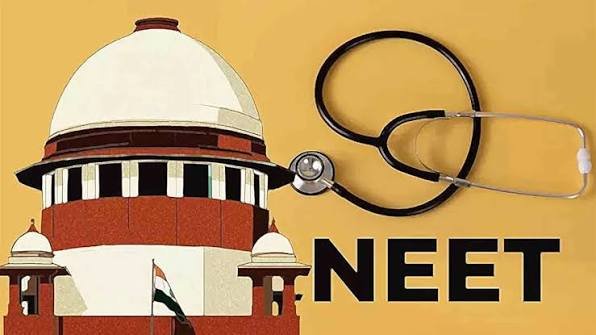
NEET-UG The National Eligibility cum Entrance Test for Undergraduate (NEET-UG) is a pivotal examination for aspiring medical students in India. Conducted by the National Testing Agency (NTA), this exam serves as a gateway for candidates seeking admission into various medical and dental colleges across the country. Given its significant role in shaping the future of medical aspirants, any changes or controversies surrounding the exam draw considerable attention.
The NEET-UG examination is designed to assess the knowledge, skill, and understanding of candidates in subjects such as Physics, Chemistry, and Biology. It is regarded as one of the most competitive exams in India, determining the academic future of thousands of students each year. However, the exam’s structure and administration can occasionally lead to disputes. Recently, the issue of a retest scheduled for June 21 has ignited a considerable debate within the education community.
Following the announcement of the retest, a plea was filed by concerned parties, seeking a deferment of the examination date. This plea raised questions about the adequacy of preparation time for candidates, as many expressed their anxiety regarding the fairness of conducting the test under the present circumstances. Furthermore, the implications of postponing the exam or altering its format could have far-reaching effects on the academic calendar and the overall admission process into medical colleges.
As the Supreme Court declined to grant an urgent hearing regarding the NEET-UG retest plea, it highlights the complexity surrounding the exam and the competing interests involved. Students, educators, and policymakers must navigate these challenges while considering the integrity and accessibility of the examination. The decision to hold a retest poses potential ramifications not just for the immediate cohort but for the future of medical education in India.
Supreme Court’s Reasoning Behind Refusal
The Supreme Court’s decision to decline the urgent hearing regarding the NEET-UG retest plea is rooted in several significant legal considerations. Primarily, the Court sought to emphasize that the process associated with examinations like NEET-UG hinges on meticulously established protocols which provide a structured approach to addressing grievances. The justices expressed that requests for re-evaluation or retesting should adhere strictly to the timelines and procedures outlined in existing frameworks, thus maintaining the sanctity of the examination process.
During the hearing, the judges highlighted the necessity of ensuring fairness and minimizing disruptions to the academic calendar. They referenced previous judgments where the Court had maintained a similar stance, underscoring that any alteration to the existing examination schedule must be approached with caution. This avoids setting a precedent that could lead to wild fluctuations in examination protocols based on individual appeals. The judges articulated their concern that granting an urgent hearing could inadvertently encourage a culture of disruption, thereby undermining the integrity of established educational procedures.
Furthermore, the Court noted that adequate remedies remain available within the conventional legal framework, allowing students to seek redress if they feel the examination process was flawed. It was pointed out that civil suits and appeals within the educational framework already exist, thereby providing an alternative pathway to address concerns about the examination outcomes without resorting to urgent hearings that could jeopardize the larger academic structure.
Ultimately, the Supreme Court’s refusal signifies a commitment to uphold judicial discipline and the established norms governing academic assessments. This approach is intended to preserve the reliability of NEET-UG as a standardized assessment tool in the medical field, ensuring that any procedural changes are based on well-formulated justifications rather than urgent appeals.
Reactions from Students and Educational Stakeholders
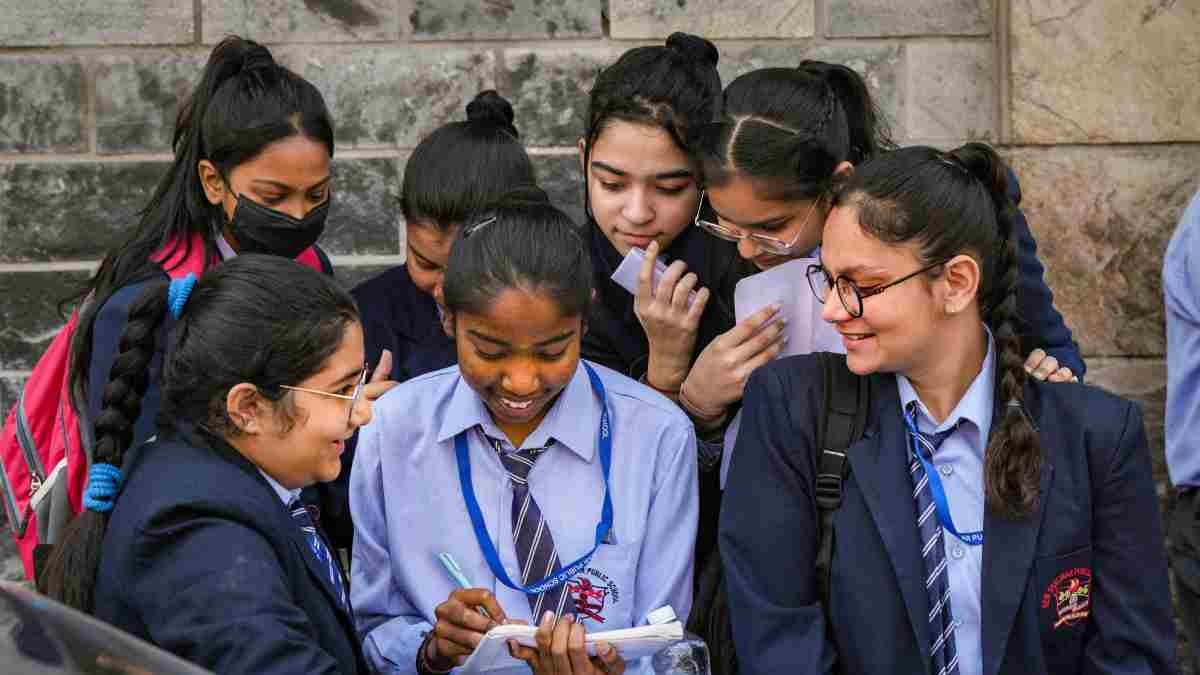
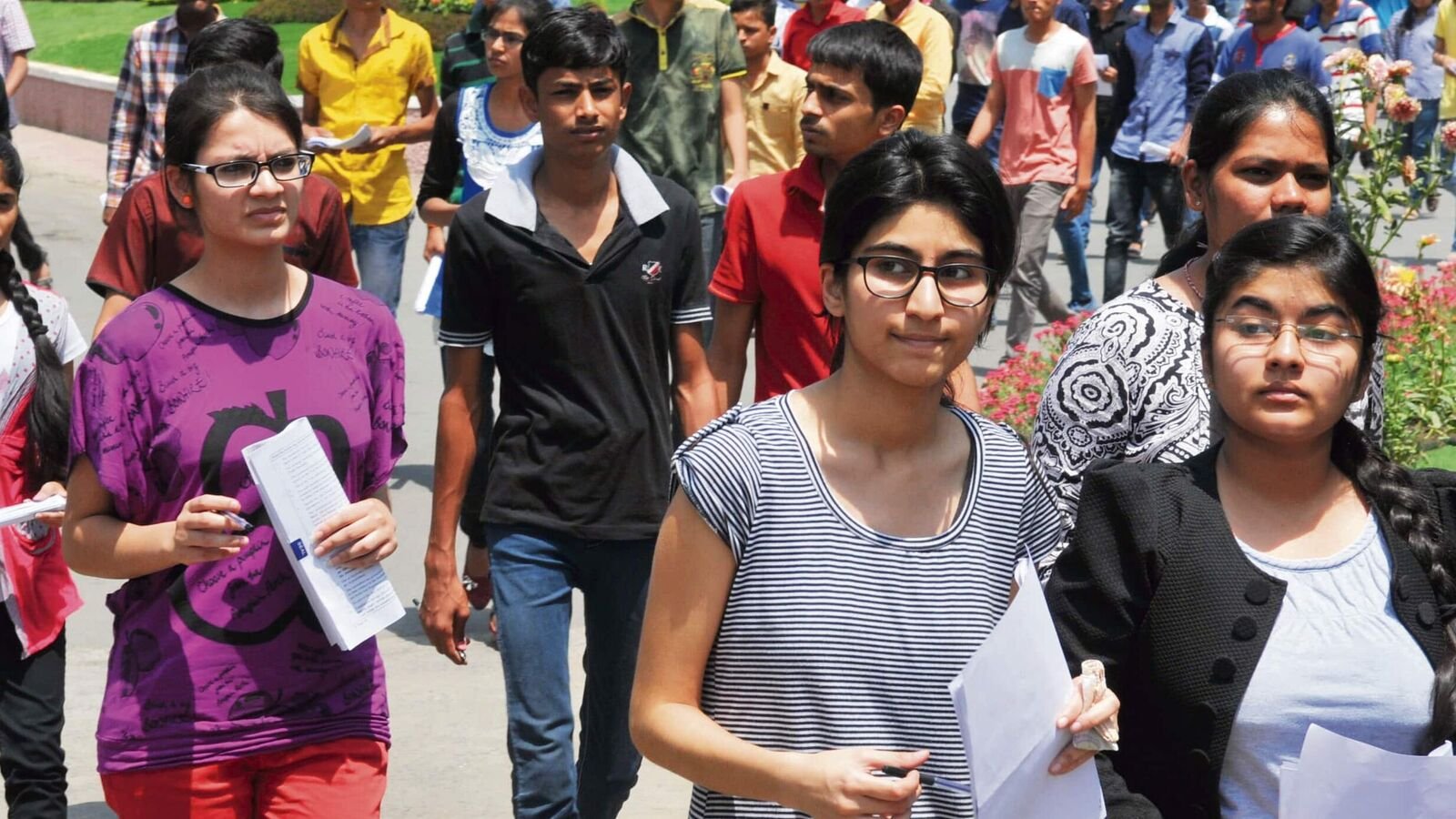
The recent decision by the Supreme Court to decline an urgent hearing regarding the NEET-UG retest plea has sparked significant reactions among students, parents, and educational stakeholders. Many students who have been gearing up for their medical entrance examinations are expressing feelings of disappointment and concern. The denial of a hearing has left some students feeling uncertain about their preparedness and future exam prospects, fearing that their hard work over the past months may not yield expected results.
Parents have also voiced their worries, echoing their children’s sentiments. The uncertainty surrounding the NEET-UG exam dates and formats raises questions about fairness in the competitive selection process for medical colleges. Many parents are advocating for a reconsideration of the decision, emphasizing the importance of a level playing field for all candidates. The fear that some students may be at an advantage due to variations in preparation and access to resources is a common concern voiced by families.
Educational institutions, keenly observing the situation, have begun discussions on the broader implications of this ruling. Many colleges have highlighted the need for a more equitable system in the medical entrance examination process, urging the authorities to consider mechanisms that can accommodate various circumstances faced by students. Reports of protests organized by student groups have surfaced, seeking to draw attention to what they perceive as inequity in the testing process. These demonstrations are aimed at voicing their frustrations and pushing for reforms that would ultimately influence their educational opportunities.
In this context, it remains crucial for all stakeholders to engage in dialogue and collaborate on constructive solutions that address the immediate concerns arising from the Supreme Court’s ruling. A unified approach may pave the way for reassessing the current procedures and ensuring a fair experience for future candidates in the NEET-UG examinations.
Future Implications and Conclusion
The recent decision by the Supreme Court to decline an urgent hearing on the NEET-UG retest plea has significant ramifications for students and the broader landscape of medical education in India. This ruling not only reflects the court’s current stance on the examination process but also sets a precedent that may influence future legal challenges concerning academic assessments in India. For students who aspired for a retest, this decision can be disheartening, as it effectively closes a potential avenue for those who believe their performance may have been affected by various external factors.
Looking ahead, students who were hoping for a second opportunity to sit for the NEET-UG must explore other options available to them. Many may consider pursuing alternative careers or institutions, or even preparing for future attempts at the exam. It is crucial for these students to remain informed and proactive in adapting to this ruling, as the legal landscape surrounding educational assessments may evolve in response to ongoing societal and academic pressures.
This ruling also speaks volumes about the judicial system’s approach to education-related grievances. Schools and candidates may face an uphill battle when contesting examination-related challenges in the future, given this ruling’s implications. Additionally, it suggests that students might need more robust support systems to address their concerns and grievances, especially in a rapidly evolving educational environment marked by competition and high stakes.
In conclusion, while the Supreme Court’s refusal to entertain the NEET-UG retest plea may temporarily resolve the current situation, it leaves open a multitude of questions regarding the accessibility and fairness of medical education in India. Moving forward, stakeholders—such as educational institutions, regulatory bodies, and students—must work collaboratively to enhance the integrity of the examination process, ensuring it meets the needs of an increasingly diverse student population. The intersection of law and education remains a critical area for reflection and action as we navigate these complex issues in the future.