





NMC Adds Over 9000 Medical Seats The NMC plays an essential role in regulating the standards of medical education and training in India. It ensures quality assurance in medical institutions, thereby enhancing the educational framework for future healthcare professionals. The commission’s mandate extends to overseeing the number of seats available in medical colleges, which directly influences the ability of aspiring medical students to secure admission into these programs.
NMC Adds Over 9000 Medical Seats In light of escalating healthcare demands, the NMC has taken proactive measures to address the shortage of medical professionals. The recent revision of the seat matrix has resulted in the addition of over 9000 medical seats for NEET UG 2025, reflecting a significant response to the growing need for healthcare services in the country. This increase not only provides more opportunities for students but also aims to bolster the healthcare workforce as India contends with multifaceted health challenges.
The implications of these revisions are profound. For many candidates, the expanded availability of seats transforms the competitive landscape, enhancing their prospects for a career in medicine. Furthermore, this initiative demonstrates the NMC’s commitment to supporting the future of India’s healthcare system by cultivating a robust generation of medical professionals equipped to meet the needs of an ever-increasing population.
Details of the Revised Seat Matrix
The National Medical Commission (NMC) has unveiled a revised seat matrix that includes an impressive addition of over 9,000 medical seats. This decision addresses the growing demand for medical education and aligns with India’s objective of strengthening its healthcare infrastructure. The added seats are distributed across numerous medical colleges throughout the country, catering to both undergraduate and postgraduate medical courses.
In terms of the breakdown, the increase in medical seats is primarily concentrated in government medical institutions, which will receive approximately 6,000 additional slots. This is significant, as government colleges typically offer more affordable education, making medical training accessible to a larger segment of the population. Private medical institutions will benefit from the remaining 3,000 seats, thereby enhancing competition among medical colleges and improving the overall quality of education offered.
NMC Adds Over 9000 Medical Seats The types of courses available remain consistent with the established medical curriculum, covering various specialties and general medicine focused tracks. Notably, the allocation emphasizes the need for specialties that align with the current health sector demands, such as Pediatrics, General Surgery, and Gynaecology. The NMC has also set forth comprehensive guidelines to ensure that the quality of education is not compromised despite the rapid increase in seat availability.
Furthermore, the revisions in the seat matrix reflect the NMC’s commitment to national health policies and requirements. The adjustments are designed to meet the growing healthcare needs of the population as well as to respond proactively to the workforce requirements of the Indian healthcare system. By increasing access to medical education, these changes are expected to facilitate the training of more healthcare professionals, ultimately contributing to improved public health outcomes across the country.
Impact on NEET UG Aspirants and Medical Education
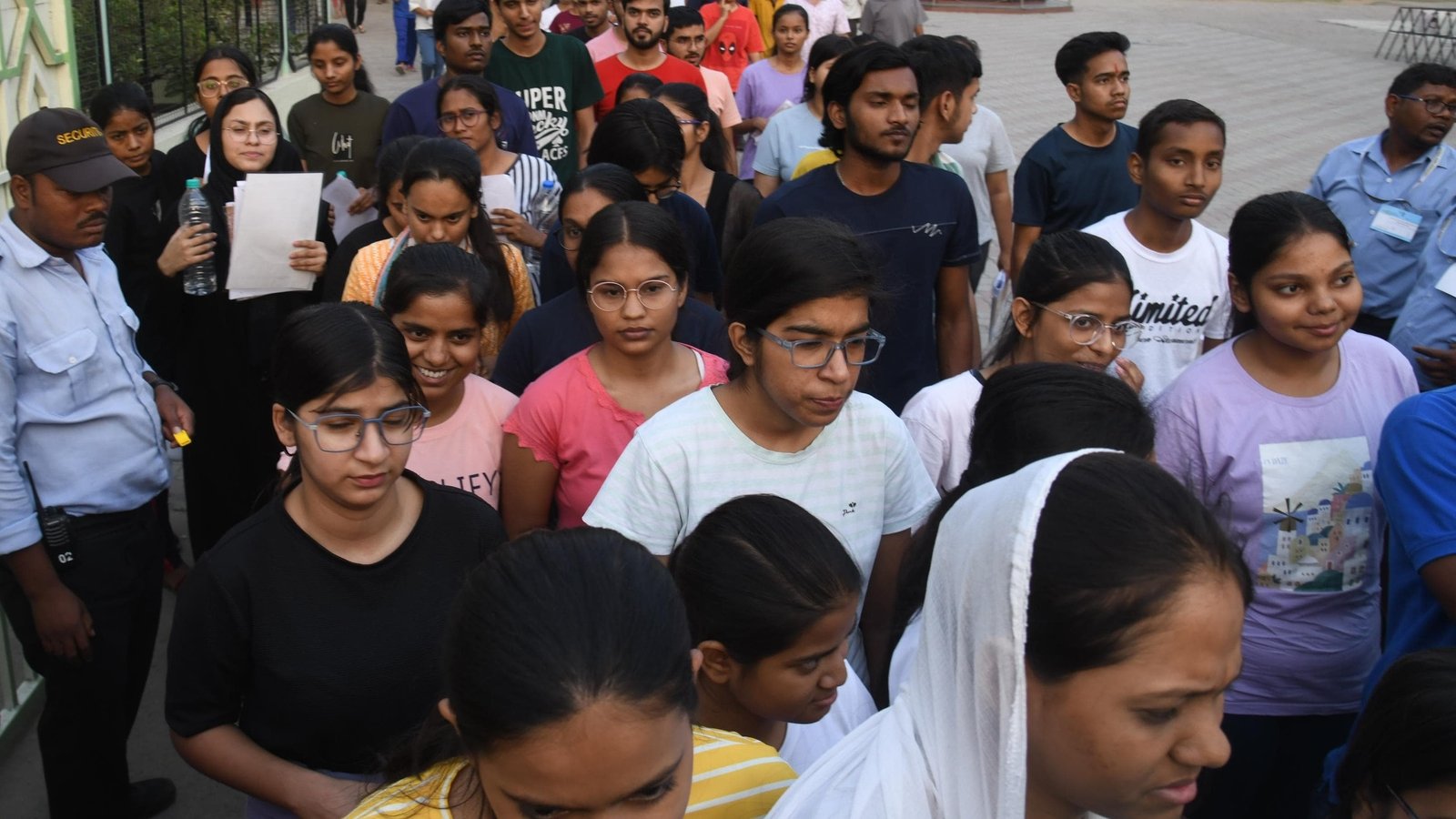
The decision by the National Medical Commission (NMC) to add over 9,000 medical seats significantly alters the landscape for NEET UG 2025 aspirants. An increase in the number of medical seats is anticipated to enhance the accessibility of medical education in India, allowing a larger pool of candidates to compete for admission into medical colleges. While this expansion is likely to reduce the competition ratio for aspiring medical students, it is essential to assess how this shift may impact the overall admission process and quality of education.
NMC Adds Over 9000 Medical Seats With more seats available, one immediate implication is a potential decrease in the pressure on students preparing for NEET UG. This could lead to a more balanced academic environment where students may feel less compelled to resort to extreme measures to secure a seat in their desired medical institution. As more aspirants are accommodated, it may cultivate a fresh group of students who, while still competitively selected, may have higher chances of gaining admission due to the increased availability of positions.
However, the surge in medical seats prompts critical questions about maintaining quality standards in medical education. The influx may strain existing resources, including faculty, infrastructure, and clinical training opportunities, which are vital for ensuring that graduates receive comprehensive education and hands-on experience. The NMC will need to closely monitor institutions to ensure that they do not compromise on quality while scaling up their operations. Furthermore, the long-term ramifications could involve an increased number of medical professionals entering the workforce, potentially addressing some of the systemic healthcare delivery challenges faced in the country.
NMC Adds Over 9000 Medical Seats In light of these developments, the evolving dynamics present both opportunities and challenges, making it imperative for educational institutions and regulatory bodies to prioritize quality in conjunction with quantity as they adapt to the changing medical landscape.
Future Prospects and Considerations for Medical Admissions
The recent decision by the National Medical Commission (NMC) to add over 9000 medical seats marks a significant shift in the landscape of medical admissions in India. While this expansion presents a tremendous opportunity to enhance healthcare accessibility, it also brings forth several challenges and considerations that will shape the future of medical education. One of the foremost challenges is the adequacy of infrastructure to support the influx of new students. Medical institutions must ensure that they are equipped with the necessary facilities, including classrooms, laboratories, and hospitals that can accommodate the increased demand for both theoretical and practical training.
Furthermore, faculty recruitment and retention must be prioritized to maintain educational quality. As the number of medical seats increases, the demand for qualified educators rises correspondingly. Institutions will need to enhance their strategies for attracting and retaining skilled faculty who can provide rigorous training and mentorship. It is vital that these educators possess not only clinical expertise but also a commitment to fostering a dynamic learning environment.
Additionally, the NMC will need to commit to ongoing evaluations of the medical admissions process and the standards of medical education. Periodic reviews will be essential to ensure that the expansion of seats does not compromise the integrity of medical training or the quality of patient care. As the landscape evolves, it is crucial for stakeholders, including educational institutions, regulatory bodies, and the healthcare community, to collaborate and share insights on best practices for sustaining high educational standards amidst expansion.
NMC Adds Over 9000 Medical Seats It is vital to strike a balance between increasing accessibility to medical education and maintaining excellence in healthcare services. The future of medical admissions, therefore, hinges on a collective effort to ensure that the growing number of medical professionals can be adequately trained, effectively integrated into the healthcare system, and committed to delivering quality patient care.