
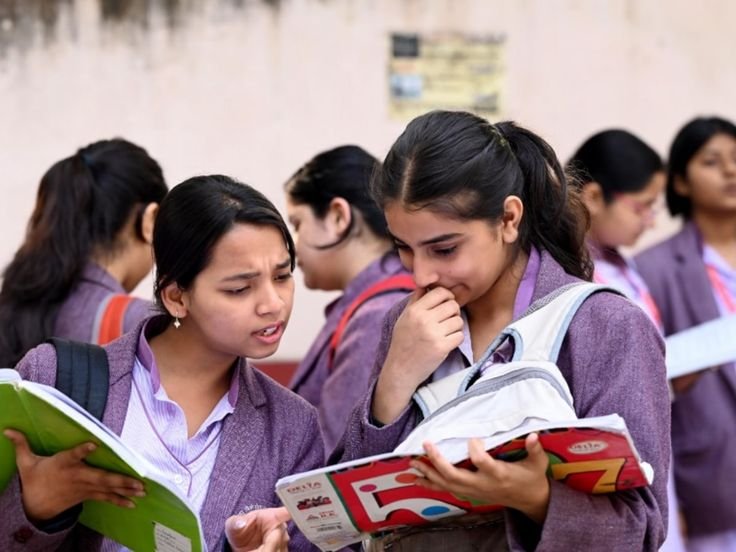






NEET-UG The National Eligibility cum Entrance Test (NEET-UG) serves as a crucial gateway for students aspiring to pursue undergraduate medical programs in India. Conducted annually by the National Testing Agency (NTA), NEET-UG plays a significant role in determining admission for approximately 83,000 medical and dental seats across the nation. Due to its high stakes, the integrity of this examination is paramount in ensuring that all aspiring medical professionals are evaluated fairly based on their knowledge and competencies.
In recent months, the examination faced a severe credibility crisis following allegations of a paper leak. The incident reportedly occurred before the scheduled examination in 2023, raising numerous concerns regarding the protection of the examination process and the fairness it promises to uphold. As news of the paper leak spread, it created a significant uproar among students, parents, and educational institutions, agitating debates around the integrity of medical entrance examinations across the country.
The implications of such a leak are far-reaching, with students potentially facing an unfair advantage in a system designed to be meritocratic. This incident not only jeopardized students’ futures but also cast a shadow on the entire educational framework, which is perceived as being increasingly vulnerable to malpractices. It is crucial for the stakeholders involved in the education sector to take these incidences seriously to maintain the credibility of the medical admissions process, ensuring that it is built on a foundation of fairness, transparency, and integrity.
Judicial Proceedings and Accusations
The NEET-UG paper leak case has drawn significant attention from both the public and legal circles, highlighting a series of judicial proceedings against various accused individuals. The primary accusations involve serious charges such as conspiracy, cheating, and the unlawful distribution of examination materials. These allegations are rooted in claims that certain individuals colluded to disseminate sensitive examination information, compromising the integrity of the National Eligibility cum Entrance Test for Undergraduate students.
During the initial hearings, the prosecution presented compelling evidence, including phone records, transactions indicative of bribery, and testimonies from whistleblowers who detailed how the paper leak operation was executed. Witness accounts have played a pivotal role in constructing a narrative of the events leading up to the leak, as well as the mechanisms employed to benefit from the illicit distribution of the examination paper.
As the case progresses, the court has faced numerous challenges, primarily related to ensuring a fair trial while managing the complexities of the ongoing investigations. The legal representatives of the accused have argued for the need to access certain evidence, claiming that critical documents were withheld, thereby causing delays in their defense strategy. Furthermore, the sensitive nature of the case necessitates a careful examination of legal rights to prevent any violations during the judicial process.
Moreover, the heightened media scrutiny surrounding the proceedings raises questions about prejudicial influences that could impact the accused’s right to a fair trial. The judiciary must navigate these concerns prudently, ensuring that each accused individual receives a thorough examination of the evidence and the opportunity to present their defense. This delicate balancing act is quintessential to uphold the principles of justice within the context of the NEET-UG paper leak case.
Court’s Decision: Re-examination Allowed
The recent decision by a Delhi court to permit the accused in the NEET-UG paper leak case to take a re-examination while in custody has elicited considerable attention among legal experts and educational authorities alike. This ruling underscores an essential aspect of the judicial system: the right to education, even for individuals facing serious legal charges. The court emphasized that allowing the accused to take the examination does not undermine the integrity of the legal process, but rather upholds the fundamental principle that every individual has the opportunity to pursue educational avenues.
Central to the court’s decision was the notion that the accused should not be deprived of their right to participate in an examination substantially linked to their academic and professional aspirations. The judge outlined specific conditions under which the examination would take place, ensuring security measures were implemented to maintain order and prevent any further malpractice. These conditions serve to balance the accused’s right to education with the necessity of preserving the examination’s credibility.
This ruling also begs a broader discussion on the implications for justice and education in India. By allowing individuals in custody to take examinations, the court is setting a precedent that highlights the importance of educational opportunity even amidst legal struggles. It reflects an awareness of the transformative power of education and its role in fostering a rehabilitative perspective within the justice system. Furthermore, this decision could inspire conversations regarding the treatment of incarcerated individuals across various legal matters, reinforcing that access to education should remain a priority.
In light of this development, it becomes clear that the court’s ruling may also impact how similar cases are approached in the future, potentially advocating for a more humanistic approach to justice that considers both legal accountability and individual rights to education.
Reactions and Implications for Future Examinations
The recent ruling by a Delhi court allowing a NEET-UG paper leak accused to take the re-examination while in custody has drawn various reactions from key stakeholders within the educational sector. Students, who are the most directly impacted by such decisions, have expressed concerns over the integrity of examination processes. Many fear that this decision may set a precedent that undermines the credibility of competitive examinations. The NEET-UG, meant to provide equal opportunities, may be viewed with skepticism if such issues regarding cheating and accountability arise.
Educational institutions have also voiced their apprehensions regarding the implications of this ruling. With the NEET-UG being pivotal in determining admission to medical colleges across India, institutions worry that any perceived laxity in handling cheating allegations may invite further malpractices. This situation underscores the importance of maintaining robust safeguards to ensure that examinations are conducted with the utmost integrity. Legal experts have pointed out that while the court’s decision is rooted in the right to education, it simultaneously raises serious questions about the preservation of the examination’s sanctity.
The implications of such decisions extend beyond the immediate incident. They raise discussions around potential reforms that could be implemented to prevent similar occurrences in the future. Stakeholders advocate for more stringent measures, such as enhanced security protocols during examinations, better oversight in the administration of tests, and comprehensive strategies to address the root causes of cheating. There is a strong call for creating a transparent framework that not only penalizes violations but also promotes an environment of honesty and fairness within the educational system.
Overall, this ruling serves as a catalyst for a broader dialogue on the challenges facing examinations in India. As the educational landscape evolves, addressing concerns regarding cheating and integrity becomes paramount. Collaborative efforts from students, educational institutions, and legal bodies will be vital in formulating a robust framework that ensures the future credibility of pivotal examinations.