




Understanding Scheduled Caste Reservations
The concept of Scheduled Caste (SC) reservations in India is rooted in the country’s commitment to social justice and equity. Introduced as part of a wider initiative to uplift marginalized communities, SC reservations aim to provide members of such groups access to education and employment opportunities, thereby addressing historical injustices and systemic discrimination. The Indian Constitution recognizes the need for protective measures, which are embodied in Articles 15 and 16, enabling the state to make special provisions for the advancement of Scheduled Castes to ensure their representation in various sectors.
The historical context of SC reservations stems from the caste-based discrimination that has prevailed in Indian society for centuries. This societal divide has led to the exclusion of lower-caste individuals from quality education and gainful employment. By implementing reservations, the government aspires to create a conducive environment for SC students, ensuring parity in educational attainment. The rationale behind these reservations is to promote social inclusion and provide equitable access to institutions of higher learning, which has been recognized as a necessary step to mitigate the persistent socio-economic disparities.
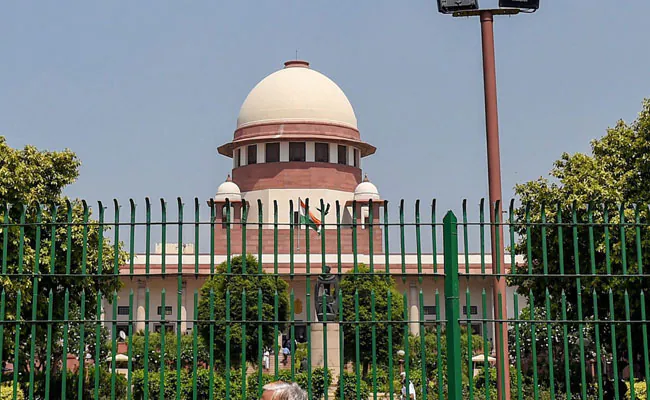
Over the years, several policies and acts have been enacted to bolster educational opportunities for SC students. The Mandal Commission Report of 1980 marked a significant milestone, recommending reservations in educational institutions and government jobs. Additionally, the Right to Education Act further strengthened the framework for ensuring educational access to SC students. These initiatives have collectively aimed to empower SC communities and foster a more inclusive society. The current legal discourse around the 50% ceiling limit in reservations raises important questions about the effectiveness of these provisions in truly achieving social equity. The Supreme Court’s impending deliberations will examine these aspects critically, setting the stage for the future of SC reservations in the context of higher education.
The Special Component Plan and Its Implications
The Special Component Plan (SCP) is a critical legislative initiative aimed at ensuring equitable access to educational opportunities for marginalized communities in India, particularly those identified as Scheduled Castes (SC). Established within the framework of affirmative action, the SCP seeks to create greater inclusion in educational institutions through a structured allocation of reservations. Its primary objective is to provide targeted support to SC students, thereby improving their representation and enhancing their academic prospects.
Within the structure of SCP colleges, reservations are allocated in a manner that directly addresses the socio-economic challenges faced by SC students. The plan stipulates a certain percentage of seats to be reserved exclusively for these students, thus reducing barriers to entry in higher education. Unlike general reservation policies, the SCP takes a comprehensive view, reflecting on the unique disadvantages that SC communities endure. This distinction is vital in the context of colleges that may not adhere to the same reservation frameworks as other educational institutions.
Additionally, the SCP framework is not without legal scrutiny. Over the years, numerous cases have emerged that challenge the validity and extent of these reservations, leading to pivotal legal precedents. The Supreme Court has played a significant role in interpreting reservation policies and their applicability in various contexts. One prominent question revolves around whether the 50% ceiling limit on total reservations applies to the SCP, which remains a contentious legal issue that the court is set to address. Such discussions offer a nuanced understanding of how the SCP functions within the broader educational landscape, highlighting both its promise and the challenges it faces in contemporary India.
The 50% Ceiling Limit: Scheduled Caste Reservation
The debate surrounding the 50% ceiling limit on reservations for Scheduled Castes (SC) in educational institutions is a pivotal issue in India’s socio-legal landscape. This ceiling was primarily established by the Supreme Court to ensure a balance between affirmative action and meritocracy in education. The origin of this limit can be traced back to various landmark judgments, where the court underscored the need to maintain a ceiling to avoid excessive reservation that could impinge on the rights of other marginalized groups.
One of the most significant rulings came in the case of M. Nagaraj vs. Union of India (2006), where the Supreme Court reiterated the importance of the 50% limit while delivering a verdict on the constitutional validity of the 93rd Amendment. The Court ruled that while the state could extend reservations, it should not exceed this limit. This decision ignited various legal interpretations and debates about the implications of the ceiling on SC candidates, especially in contexts like Special Component Plan colleges.
Fast forward to more recent developments, where the question arises as to whether this 50% ceiling remains applicable in Special Component Plan colleges, which are designed to address specific educational needs of SC students. Advocates argue that these colleges cater to unique socio-economic conditions and thus should be exempt from the ceiling to provide ample opportunities. Meanwhile, opponents contend that removing this limit could lead to an imbalance and negatively affect the educational ecosystem, undermining the merit-based paradigm.
The split perspectives create an ongoing legal and societal controversy, inviting further scrutiny and reinterpretation by the judiciary. Upcoming deliberations by the Supreme Court are anticipated to provide critical clarifications on the extent to which this ceiling can apply in specialized institutions, potentially redefining the contours of affirmative action in education.
Future Implications and Supreme Court’s Role
The Supreme Court’s involvement in the matter of scheduled caste (SC) reservation within Special Component Plan (SCP) colleges holds significant implications for educational policies in India. As the judicial body prepares to examine the constitutionality of the existing 50% ceiling limit, various potential outcomes emerge, each capable of reshaping the educational landscape. A ruling favoring the continuation of the limit may reinforce the status quo, impacting the number of SC students who can access higher education opportunities. Conversely, a decision to dismantle or revise the ceiling could lead to an increase in SC representation in colleges, thereby promoting diversity and inclusion.
Moreover, the Supreme Court’s judgment will likely resonate beyond educational institutions. Stakeholders, including government authorities, educational administrators, and civil society, are closely observing these proceedings. A ruling that enables higher reservation quotas for SC students could prompt a reevaluation of affirmative action policies across various sectors, reinforcing the urgency for equitable representation. On the other hand, decisions perceived as limiting SC access could provoke a backlash, igniting debates on social justice and equality.
The implications of this ruling extend into the broader societal context, particularly concerning the ongoing discussions about equity in education. The future of reservation policies hinges upon judicial interpretations that weigh the need for affirmative action against potential claims of reverse discrimination from non-SC communities. It is vital that the Supreme Court’s upcoming decision reflects a balanced approach that upholds both the principles of equality and the necessity for corrective action in addressing historical inequities faced by SC groups.
In conclusion, the Supreme Court’s deliberations on SC reservations in SCP colleges will play a critical role in defining the trajectory of educational policies in India. The resulting decision is expected to have lasting repercussions on the scope of reservations, influencing equality and access to education for marginalized communities moving forward.