




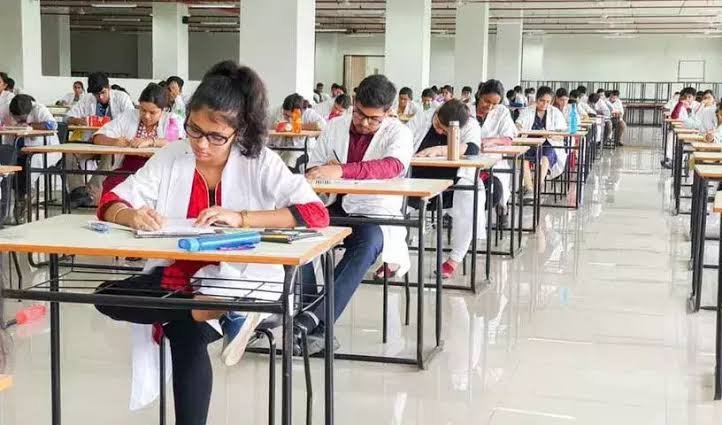

NEET The National Eligibility cum Entrance Test (NEET) holds paramount importance in India’s education landscape, primarily serving as the gateway to medical colleges across the nation. For many aspiring medical students, the quest to secure admission through NEET is fueled by a blend of personal ambition and societal expectation. In a culture that venerates medical professionals, successful completion of this exam is often seen as the key to achieving status, financial stability, and a fulfilling career.
The overwhelming motivation for students to aspire for NEET can often be traced back to familial and societal pressures. Parents invest significant hopes and aspirations in their children, sometimes viewing medical careers as the most prestigious and stable pathways. As a result, aspiring medical students frequently encounter immense pressure, leading to heightened levels of stress and anxiety. This is exacerbated by the intense competition among candidates, where millions vie for a limited number of seats in prime medical institutions. The stakes are incredibly high, fostering an environment that prioritizes performance over personal well-being.
Statistics reveal the staggering number of candidates who appear for NEET each year, showcasing the fierce competition that characterizes this examination. For instance, over 15 lakh candidates registered for NEET in recent years, all aiming for a narrow selection of coveted spots in medical schools. This level of rivalry can create a sense of urgency, compelling students to invest extensive hours in preparation, often at the cost of their physical and mental health.
Moreover, personal stories of NEET aspirants reflect the psychological toll that this demanding pursuit can exert. Many students find themselves navigating long hours of intensive study, coaching classes, and mock examinations, which can lead to feelings of isolation and despair, especially when failures or setbacks occur. Understanding the motivations and pressures surrounding NEET aspirations is vital to addressing the myriad challenges these students face in their journeys toward a medical career.
Mental Health and Academic Pressure
The pursuit of academic excellence has become increasingly competitive, particularly for students preparing for challenging examinations like the National Eligibility cum Entrance Test (NEET) in India. This environment of heightened competition often induces a range of mental health challenges among aspirants, exposing them to severe anxiety and depression. As these students strive to achieve their educational goals, they may face overwhelming pressure stemming from their expectations, familial obligations, and societal norms.
According to various psychologists, the fear of failure plays a crucial role in exacerbating these mental health issues. Many NEET aspirants harbor a deep-seated fear of disappointing their families, who often invest significant time and resources into their education. This fear can spiral into detrimental mental health consequences, where the pressure becomes an unbearable weight. Reports may indicate an increased prevalence of suicidal thoughts among high-achieving students, pointing toward an urgent need for awareness and intervention.
Moreover, anecdotal evidence from peer testimonials highlights the prevalence of mental health struggles in academic environments. Many students express feelings of isolation and hopelessness under the relentless demands of their studies. The stigma surrounding mental health can further aggravate these issues, making it challenging for them to seek help or even talk about their experiences.
Educational institutions must prioritize mental health awareness and implement support systems for students. Providing resources such as counseling services and workshops on stress management can play a vital role in combating anxiety and fostering resilience among NEET aspirants. Furthermore, integrating mental health education into the academic curriculum can promote an environment where students feel safe discussing their struggles, ultimately facilitating healthier academic experiences.
The Impact of Recent Tragedies
The recent suicide of a NEET aspirant in Rajasthan has cast a shadow over aspirations and mental health among students preparing for competitive exams. This tragic incident highlights several critical issues within society, particularly the profound challenges faced by individuals aiming for advanced educational opportunities. The pressures associated with exams like NEET can be overwhelming, often driving candidates into isolation and despair.
Underlying factors contributing to such tragedies include inadequate access to mental health support and pervasive stigma surrounding mental health discussions. Many students find it difficult to articulate their struggles due to fear of judgment or misunderstanding from peers and family. This silence can exacerbate feelings of hopelessness, leading to catastrophic decisions. Educational institutions, while often providing academic resources, frequently fall short when it comes to addressing mental well-being, further contributing to a culture that prioritizes academic success over psychological health.
The community’s reaction to this unfortunate event has been a mixture of shock and sorrow. Many individuals have expressed their condolences and called for a stronger focus on mental health education and support within educational frameworks. In response, several activist groups and concerned citizens have begun advocating for change, urging local and state governments to invest in mental health resources specifically tailored for students. This could involve counseling services in schools, awareness campaigns to diminish stigma, and training for educators to recognize signs of mental distress.
Moreover, governmental responses have become increasingly relevant in discussions about educational pressure and student mental health. Policymakers are beginning to recognize the necessity of implementing comprehensive mental health initiatives that address these urgent needs, marking a potential shift towards a more supportive academic environment. Only through such measures can society hope to mitigate the risk of further tragedies and foster a healthier relationship with education and mental well-being.
Addressing the System: Prevention and Support Strategies
The tragic case of a NEET aspirant in Rajasthan sheds light on the urgent need for effective support mechanisms within the educational framework. To prevent similar incidents, it is critical to implement strategies that foster a healthier environment for students preparing for competitive exams. One effective approach is the establishment of comprehensive counseling services within educational institutions. These services should focus on providing emotional and psychological support, ensuring that students have access to professional help during challenging times.
Furthermore, workshops focusing on stress management can equip students with the skills necessary to navigate the pressures associated with preparation for examinations like NEET. These workshops can teach valuable techniques such as mindfulness, time management, and relaxation exercises, thereby reducing anxiety and fostering resilience. Integrating these workshops into the academic curriculum would not only benefit aspiring candidates but also encourage a cultural shift towards prioritizing mental health.
Open discussions on mental health must be normalized within educational settings. Encouraging an atmosphere where students feel comfortable sharing their struggles and concerns is paramount. This can be achieved through seminars and peer support groups that facilitate conversations about mental wellness and the challenges associated with rigorous academic pursuits.
The roles of parents, educators, and policymakers cannot be overlooked in this system. Parents should be educated about the pressures their children face and encouraged to foster an environment of support rather than solely focusing on academic achievement. Educators should be trained to recognize signs of mental distress and to respond appropriately, providing a stable and understanding presence in students’ lives.
Policymakers need to advocate for systemic changes that reshape how academic success is perceived. Emphasizing the importance of mental well-being alongside academic performance can significantly influence societal attitudes toward education. By adopting these strategies, we can create a more supportive framework that prioritizes both the aspirations and the mental health of NEET candidates, ultimately paving the way for a more compassionate educational system.