
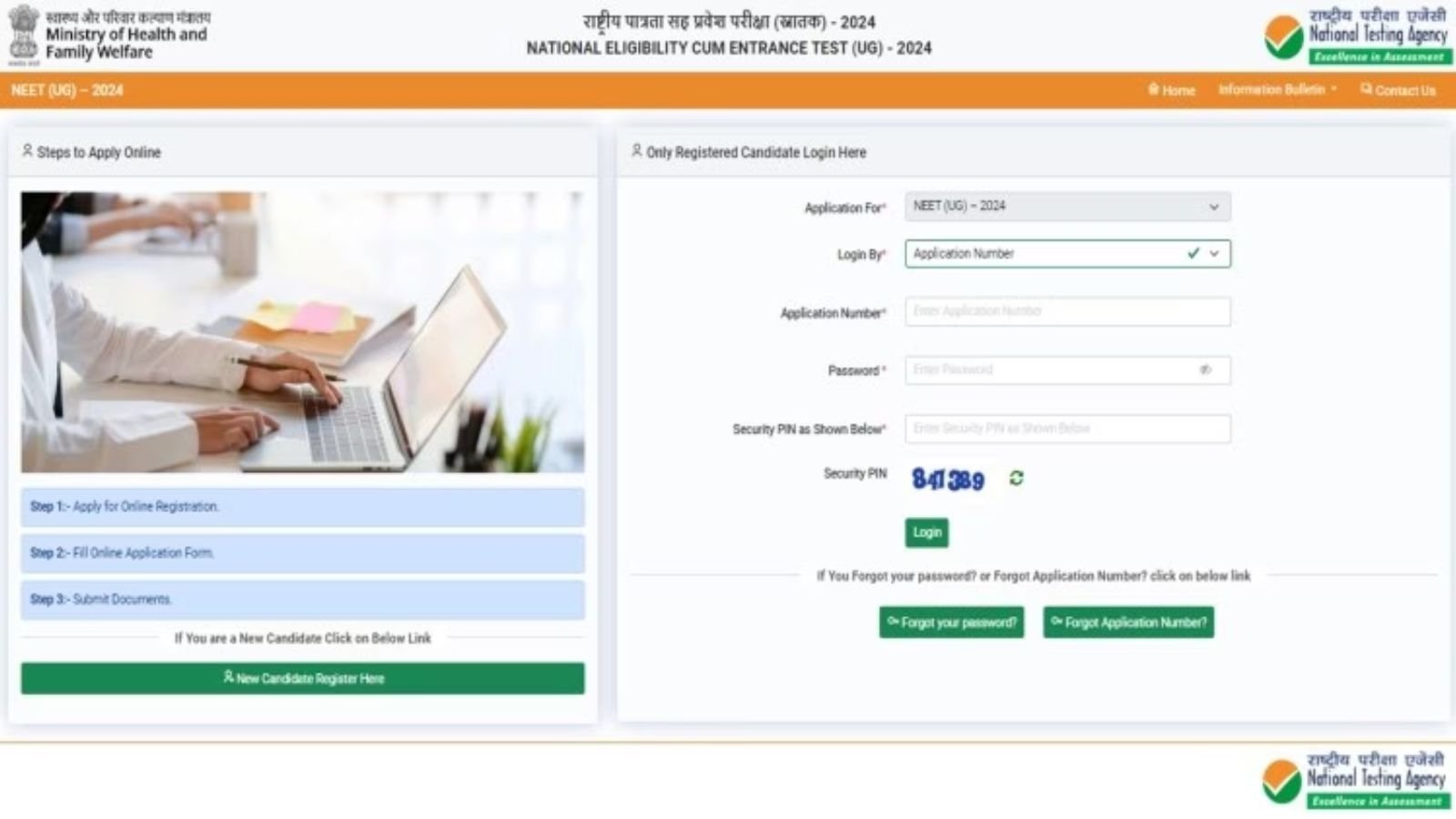






CBSE The Central Board of Secondary Education (CBSE) has developed the Online School Management (OSM) Portal as a significant advancement in educational administration. The primary objective of this portal is to facilitate streamlined operations within schools, thereby enhancing the overall efficiency of educational institutions affiliated with CBSE. The OSM Portal serves as a centralized platform that allows for seamless management of various educational processes, from administrative tasks to communication among students, parents, and teachers.
One of the key features of the CBSE OSM Portal is its user-friendly interface, which simplifies the navigation experience for all stakeholders involved in the educational ecosystem. This platform provides functionalities such as student admissions, attendance tracking, examination management, and academic performance monitoring. By utilizing the OSM Portal, schools can automate time-consuming tasks, thus allowing educators to focus more on teaching and less on bureaucratic procedures.
Furthermore, the OSM Portal enhances communication channels between parents and educational institutions. It empowers parents to access critical information regarding their children’s progress, enabling them to engage more proactively in their child’s education. Additionally, this portal supports the dissemination of important announcements and notifications, ensuring that all parties remain informed about vital school activities and updates.
With ongoing advancements in technology, the relevance of such digital solutions in education cannot be overstated. The CBSE OSM Portal signifies a step forward in embracing digital transformation within the educational landscape. This transition aims to create a more connected and efficient educational environment, enhancing both the teaching and learning experience. Through improved management capabilities and effective communication, the OSM Portal represents an essential development for schools seeking to flourish in an increasingly digital world.
Concerns Raised by IIT Panel Member
The recent comments made by an IIT panel member regarding the CBSE’s OSM Portal have sparked considerable debate in educational circles. The panel member emphasized that several critical functionalities of the OSM Portal were inadequately tested prior to its rollout. This point is particularly concerning as the portal serves a significant number of schools and students across the country, thus making the adequacy of testing process paramount.
One major concern highlighted relates to the inadequate stress testing of the portal’s infrastructure. The IIT member pointed out that the portal was not subjected to scenarios simulating peak usage. Consequently, there is a tangible risk of the system crashing or becoming unresponsive during high-traffic periods, particularly around exam schedules or result announcements. Such failures could not only hinder access for students but could also result in administrative chaos for schools.
Furthermore, the panel member elaborated on the lack of user interface testing with actual users, including students and school administrators. Feedback from potential end-users is essential to ensure that the portal is user-friendly and meets the practical needs of its audience. The absence of this kind of testing raises concerns about the intuitiveness and accessibility of the portal, which, if left unaddressed, could lead to challenges in usability after implementation.
Moreover, the IIT representative underscored the absence of a comprehensive security audit. With the increasing reliance on digital platforms for educational administration, the integrity of sensitive data must be prioritized. A lack of rigorous security testing could expose schools and students to data breaches, compromising personal information.
These critical insights emphasize the necessity for a more thorough testing approach for the OSM Portal, which is essential to safeguard the users’ interests and ensure a seamless experience while engaging with this vital educational tool.
Impact of Inadequate Testing on Users
The inadequacies in the software testing of the Central Board of Secondary Education’s (CBSE) Online School Management (OSM) portal can significantly impact its users, including schools, educators, and students. A lack of thorough testing can lead to various challenges, ultimately undermining the objectives that the portal seeks to fulfill. One of the most glaring repercussions is the potential disruption to educational operations. When glitches occur, it interrupts the daily functioning of schools, affecting everything from student admissions to timely grade submissions.
Moreover, when educators are reliant on the OSM portal for valuable data and records, any malfunctions or unscheduled outages necessitate a considerable amount of additional time and resources to troubleshoot the issues, diverting focus from their primary educational responsibilities. This scenario is particularly concerning as it can lead to a decline in teaching quality, which is ultimately detrimental to student learning outcomes.
Data security is another critical concern that arises from inadequate testing procedures. As the portal operates with confidential information pertaining to students, teachers, and institutions, any vulnerabilities left unaddressed could expose sensitive data to malicious entities. Inadequate testing may inadvertently pave the way for unauthorized access and data breaches, potentially putting users at risk and damaging the institution’s reputation. Thus, the implications of insufficient testing extend beyond simple operational disruptions to encompass significant issues regarding data integrity and security.
In essence, the challenges posed by flawed software in the CBSE’s OSM portal can create a ripple effect that hampers educational institutions’ ability to function effectively. It is crucial for stakeholders involved to recognize these impacts and advocate for optimized testing processes to streamline operations and enhance user experience.
Recommendations for Improvement
CBSE Enhancing the functionality and reliability of the CBSE’s OSM portal is crucial for meeting the educational needs of students and educators alike. To achieve this, several actionable recommendations have been proposed based on observations from the ongoing testing processes as highlighted by members of the IIT panel.
Firstly, it is imperative to implement rigorous testing protocols that encompass a variety of scenarios and user experiences. This involves not only technical performance assessments but also usability tests that incorporate feedback from actual users, such as students, teachers, and administrators. By prioritizing comprehensive testing, the CBSE can identify bugs and usability issues before they affect the entire user base.
In addition, establishing continuous feedback loops with users will significantly contribute to the portal’s improvement. An open line of communication where users can report issues, suggest features, and share their experiences can provide invaluable insights into the portal’s effectiveness. Regular surveys and forums could be established to capture user sentiments and expectations, aligning the portal’s development with the actual needs of its users.
Furthermore, engaging stakeholders in the enhancement process is essential. This includes collaborating with educational institutions, technology experts, and policymakers to ensure that updates are not only technically sound but also pedagogically relevant. Creating a user advisory group comprising teachers and academic representatives can help guide the direction of future updates and ensure the portal evolves in accordance with modern educational practices.
In conclusion, addressing the identified issues with the OSM portal via robust testing, user feedback, and stakeholder engagement will significantly bolster its functionality and reliability. By embracing these recommendations, the CBSE can foster a more effective and user-friendly educational platform that better serves the needs of its community.