



The CBSE (Central Board of Secondary Education) 3-language policy is an educational framework designed to promote multilingualism among students in Indian schools. This policy aims to ensure that students develop proficiency in a minimum of three languages during their formative years, thereby enhancing their linguistic, cognitive, and cultural skills. Established in the early 1960s, the policy reflects India’s commitment to fostering linguistic diversity and preserving its rich cultural heritage.
The primary objective of the CBSE 3-language policy is to provide a balanced linguistic curriculum that supports the national ethos of unity in diversity. Under this policy, students are required to study one modern Indian language, a second language that can be either another modern Indian language or English, and a third language that can be either regional language or English, which strengthens their bilingual or multilingual capabilities. This structured approach not only aids in the cognitive development of students but also prepares them for a globalized world.
The historical context of the 3-language policy stems from the linguistic diversity present in India, where hundreds of languages are spoken. The implementation of this policy recognizes the need for a systematic approach to language education, ensuring that students are not only multilingual but also culturally aware and sensitive. Research indicates that multilingual education can enhance problem-solving skills and critical thinking abilities, providing students with a competitive edge in their academic and professional futures.
Moreover, the policy is instrumental in bridging the gap between various linguistic communities, fostering inclusiveness, and reducing language-related barriers. As students engage with different languages, they develop a deeper appreciation for various cultures and perspectives. The CBSE 3-language policy underscores the importance of language as a medium of learning and a tool for social cohesion, making it an essential aspect of the educational landscape in India.
Supreme Court’s Intervention
The recent involvement of the Supreme Court in the debate surrounding the CBSE 3-language policy has added a layer of complexity to its implementation for Class 6 students. This intervention was primarily driven by concerns regarding the adaptability and feasibility of the policy for young learners, who are navigating a critical phase of their educational journey. The Court, while recognizing the importance of multilingual education as per the policy, has urged the Central Board of Secondary Education (CBSE) to consider providing relief to the current batch of Class 6 students.
The Supreme Court’s request reflects a growing acknowledgment that students may face significant challenges adjusting to the linguistic demands established by the 3-language policy. Many educators and parents have raised concerns about how this policy impacts children’s learning experiences, particularly in a diverse nation like India, where linguistic backgrounds vary widely. The Court’s recommendation aims to ensure that the CBSE takes into account the unique circumstances faced by these students and potentially offers flexible options that could alleviate academic pressure.
In response to the Court’s remarks, the CBSE has begun to reconsider certain aspects of the policy, which could lead to significant changes in the syllabus structure for Class 6. This could mean revisiting the language combinations students are required to learn and exploring more accessible pathways for learners who may struggle with the existing framework. The implications of this intervention are profound, as they not only affect current students but also set a precedent for how the board might navigate similar challenges in the future.
Furthermore, this development could catalyze broader discussions about the effectiveness and practicality of the 3-language policy across all grades, prompting a reevaluation of language instruction methods Holistically, the Supreme Court’s intervention represents a critical moment in the ongoing dialogue about education in India, emphasizing the need for policies that are attentive to the realities faced by students and their varied backgrounds.
Impact on Students and Educational Institutions
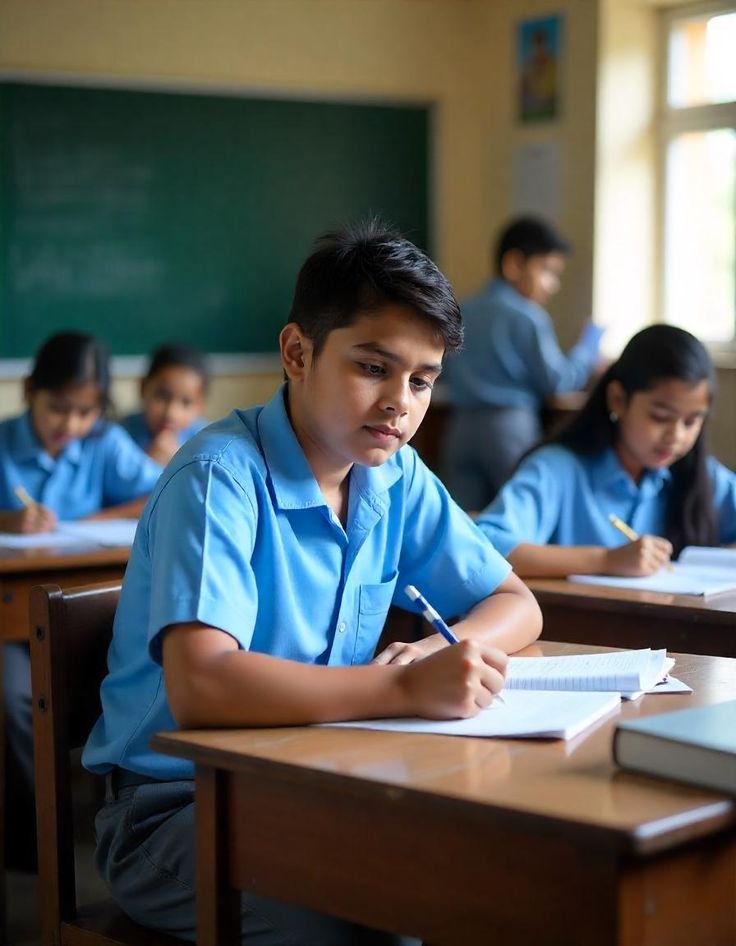
The CBSE 3-language policy aims to promote multilingualism among students, which is intended to enhance cognitive development and cultural awareness. For Class 6 students, the implementation of this policy brings both challenges and opportunities. One significant impact of the 3-language policy is the increased demand for language proficiency. Students are now required to study three languages, which might include their mother tongue, Hindi, and English. This shift can be particularly challenging for those who may not have a solid foundation in one or more of the languages due to varying levels of exposure and support at home.
Educators have expressed mixed feelings about the 3-language policy’s implications. Teachers must adjust their teaching strategies to cater to a more diverse linguistic background among students. This necessitates additional training for educators to effectively implement the curriculum changes, ensuring that students receive the appropriate support in their language learning journey. Furthermore, teachers may encounter a wider spectrum of proficiency levels, which can complicate classroom dynamics and lesson planning.
On the institutional level, educational institutions are currently adapting their curriculums to align with the 3-language policy. Schools may need to invest in new materials and resources, which could strain budgets, especially in underfunded areas. Moreover, increased emphasis on language education could lead to a reevaluation of existing pedagogical approaches. Educational institutions are encouraged to foster an inclusive environment that accommodates linguistic diversity in their classrooms.
Ultimately, while the CBSE 3-language policy aims to develop well-rounded individuals proficient in multiple languages, it requires a concerted effort from students, educators, and institutions to address the associated challenges effectively. Understanding the implications of this policy will be crucial for stakeholders in the educational landscape.
Future Directions and Recommendations
As educational frameworks evolve, the Central Board of Secondary Education (CBSE) must continually assess and adapt its policies, including the 3-language policy to address emerging challenges. The Supreme Court’s recommendations present an opportunity for CBSE to reassess the implementation of this policy to better serve its student population. Future directions should focus on enhancing the effectiveness of multilingual education while catering to diverse learner profiles.
One potential adjustment is to provide flexibility in language selection. This could involve allowing schools to offer tailored language options that reflect the linguistic demographics of their communities. By enabling students to choose languages relevant to their cultural backgrounds, the policy could promote a deeper connection to learning and increase students’ engagement and motivation.
Another recommendation includes the strategic integration of technology in language education. Digital platforms can facilitate interactive learning environments that cater to various learning styles. Through multimedia resources and language-learning applications, students can practice proficiency in a more immersive and engaging manner. CBSE could also consider partnerships with established language learning institutions to enhance curricular content.
Professional development for educators is crucial for the successful implementation of reforms in the 3-language policy. Training programs aimed at equipping teachers with innovative pedagogical strategies will improve the teaching of multiple languages in the classroom. This ensures that educators are prepared to offer a diverse curriculum that is inclusive and equitable for all learners.
Moreover, continuous evaluation of the policy’s efficacy through research and feedback from educators and students should be prioritized. Establishing a framework for regular assessments will help the CBSE determine best practices and areas for improvement. In adhering to these recommendations, future directions for the 3-language policy can be more aligned with the needs of students, advancing multilingualism and ensuring educational excellence.