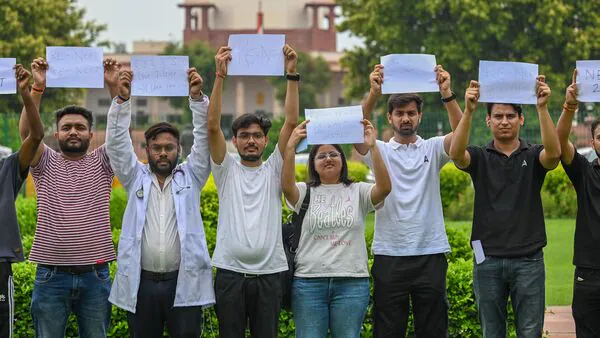





Faima Highlights Mental Health Timely counselling for NEET SS (National Eligibility cum Entrance Test Super Specialty) candidates plays a crucial role in shaping the careers of medical professionals. The counselling process not only determines placement in specialized medical fields but also significantly influences the mental health and well-being of candidates awaiting their appointments. Delays in this process can have multifaceted repercussions, leading to increased anxiety and uncertainty among prospective specialists.
The NEET SS counselling process is designed to facilitate the allocation of seats according to the preferences and merit of candidates. When this process is delayed, it creates a bottleneck that can exacerbate stress levels. Candidates often invest years into rigorous academic and practical training, and a prolonged waiting period can lead to feelings of doubt about their abilities and future prospects. This uncertainty can lead to heightened stress and mental health issues among medical professionals who are already grappling with the demands of their education and training.
Additionally, the waiting period can lead to career stagnation. In a field where continuous learning and practical experience are paramount, delays can hinder a candidate’s ability to gain essential exposure and skills. The lack of timely counseling not only impacts their immediate career trajectory but also has long-term implications on their professional development and job satisfaction. Medical professionals are known to face high levels of burnout, and any additional stress factors brought on by delays in counselling can further exacerbate this issue.
In light of these considerations, it is essential for authorities to recognize the implications of prolonged delays in the NEET SS counselling process. By prioritizing timely counselling, the mental health of candidates can be safeguarded while also ensuring that the medical workforce is efficiently prepared and placed in roles where they can truly make an impact.
Impact of Counselling Delays on Mental Health
Faima Highlights Mental Health The delays in the NEET SS counselling process have raised significant mental health concerns among candidates. As students await their counselling results, the subsequent uncertainty can lead to heightened anxiety and stress levels. Candidates are often subjected to a prolonged state of helplessness, which has detrimental effects on their emotional well-being. This period of waiting not only impedes their academic focus but also exacerbates feelings of self-doubt and inadequacy.
Numerous candidates have expressed their distress regarding the unpredictable nature of the counselling process. One candidate shared, “Every day that passes without clear communication makes me feel more anxious. I find it difficult to plan my future when I’m unsure about my next step in this process.” This sentiment is echoed by many, reflecting a common struggle within the student community during such uncertain times.
Experts in mental health emphasize the importance of acknowledging these feelings. Dr. Aditi Sharma, a mental health professional, stated, “The psychological effects of such delays can be profound. It is vital for candidates to seek support, whether through counselling services or peer support groups, to navigate the emotional turmoil they may face.” This highlights a critical aspect of the conversation surrounding NEET SS counselling delays; the need for holistic mental health support systems aimed at assisting candidates during these challenging times.
Furthermore, institutions involved in the NEET SS counselling process must also take these concerns into account. By providing timely updates and transparent communication, they can help alleviate some of the stress experienced by candidates. This proactive approach not only comforts students but also fosters a more supportive environment conducive to their mental health.
Faima’s Role in Advocating for Mental Health
The Federation of All India Medical Association (Faima) has been instrumental in advocating for mental health, especially in light of the delays in the NEET SS counselling process. As the anxiety and uncertainty among medical candidates have reached new heights due to prolonged waiting periods, Faima has stepped up to address these pressing mental health concerns. Their involvement manifests through a series of initiatives aimed at supporting candidates who find themselves affected by these delays.
Faima has issued several statements highlighting the psychological impact of extended uncertainties surrounding the NEET SS counselling. Recognizing that these delays can cause significant stress and anxiety among aspiring medical professionals, the federation emphasizes the importance of mental well-being during such critical periods in their career. This acknowledgment of mental health as a crucial aspect of the educational journey is a step toward ensuring that medical students receive the support they need.
Moreover, Faima has actively promoted awareness campaigns focused on mental health resources available to candidates. These initiatives aim to provide comprehensive support services, including counseling, workshops, and informational sessions that address mental health concerns. Such measures are crucial in equipping candidates with appropriate coping strategies and enhancing their psychological resilience amid the undue stress caused by counselling delays.
In addition, Faima’s commitment to mental health advocacy is reflected in its partnership with various psychological professionals and organizations. By collaborating with mental health specialists, Faima seeks to create tailored support systems designed to address the unique challenges faced by NEET SS candidates. This collaboration not only amplifies the awareness surrounding mental health issues but also promotes a culture of psychological care within the competitive realm of medical education. Through these dedicated efforts, Faima is making strides in ensuring that the mental health of medical aspirants remains a priority during times of uncertainty.
Strategies for Coping with Stress during Delays
The delay in the NEET SS counselling process can trigger significant stress and anxiety among candidates, impacting their mental health. It is essential to develop effective coping strategies to navigate this uncertain period. One primary approach is prioritizing self-care. Ensure you allocate time for activities that you enjoy, such as reading, exercising, or engaging in hobbies to divert your attention from the stressors related to the counselling delay.
Another effective strategy is to establish a structured routine. Creating a daily schedule that includes time for studying, leisure activities, and rest can foster a sense of control amidst uncertainty. By maintaining a rhythm, candidates can mitigate anxiety and feel more prepared for the eventual counselling sessions.
Additionally, mindfulness practices such as meditation and deep-breathing exercises can be beneficial in reducing stress levels. These techniques encourage individuals to focus on the present, helping to alleviate worries about future outcomes. There are many online resources and applications available that provide guided sessions tailored to various levels of experience.
Utilizing mental health resources is crucial during this period of anticipation. Reach out to mental health professionals who can provide guidance and coping strategies designed specifically for candidates experiencing stress related to academic pursuits. Many educational institutions offer counselling services that can be accessed for support.
Finally, do not underestimate the importance of social support. Engage with fellow candidates, friends, and family members to share experiences and feelings. This communal approach can foster a sense of solidarity, helping candidates to realize they are not alone in facing these challenges.