






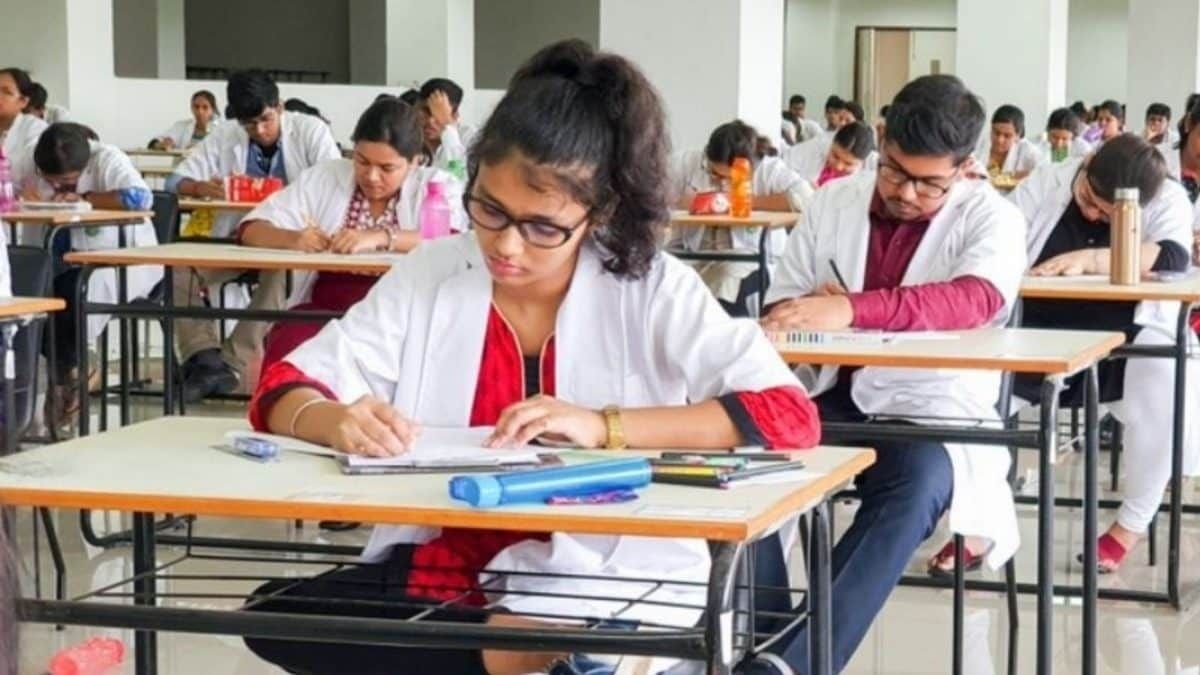
NEET (UG) The National Eligibility cum Entrance Test (Undergraduate), commonly referred to as NEET (UG), is a pivotal examination for students aspiring to pursue undergraduate medical education in India. Conducted by the National Testing Agency (NTA), NEET (UG) serves as a standardized assessment tool designed to evaluate the knowledge, understanding, and application of concepts in subjects like Physics, Chemistry, and Biology. This examination is crucial as it serves as the sole gateway for admission into various medical and dental colleges across the nation, including prestigious institutions recognized for their quality of education and training.
Every year, millions of students take the NEET (UG) exam, making it one of the largest entrance examinations in India. The number of aspirants has consistently grown over the years, reflecting the increasing interest in medical professions. In 2022, for instance, over 18 lakh candidates registered for the exam, demonstrating the competitive nature of the process. Given the significance of the examination, success in NEET (UG) is often considered a benchmark for aspiring medical professionals, as it not only determines students’ eligibility for medical programs but also acts as a strong foundation for their future careers in medicine.
The importance of NEET (UG) extends beyond mere numbers; it plays a critical role in standardizing the admission process across diverse states and medical institutions in India. Unlike previous systems that varied from state to state, NEET has unified the admission process, ensuring that students are assessed through a common platform. This standardization is crucial in maintaining the quality and integrity of medical education, thereby ensuring that students who gain admission possess the requisite knowledge and aptitude necessary for a successful career in healthcare.
Demographic Breakdown of NEET (UG) Aspirants
NEET (UG) The National Eligibility cum Entrance Test (NEET) for Undergraduate courses remains a pivotal gateway to medical education in India. A significant observation from the recent admissions cycle is that approximately 41% of all NEET (UG) aspirants hail from just four states: Uttar Pradesh, Maharashtra, Tamil Nadu, and Karnataka. This concentrated demographic distribution invites an examination of various factors that contribute to their heightened participation in this critical examination.
One primary factor influencing the dominance of these states is their large population sizes. Uttar Pradesh, for instance, has the highest population among Indian states, which naturally translates to a more extensive pool of students vying for medical education. Similarly, Maharashtra, with its burgeoning urban centers, draws numerous aspirants who seek medical careers, bolstered by both population and urban educational facilities.
The educational infrastructure in these states also plays a crucial role in shaping aspirants’ aspirations. States like Tamil Nadu and Karnataka are renowned for their established educational frameworks and reputable medical institutions. The presence of well-equipped colleges and coaching centers provides aspiring medical students with the resources and guidance necessary to excel in the NEET examination.
Additionally, socio-economic factors contribute significantly to this demographic breakdown. Families in these states often place a strong emphasis on education, particularly in disciplines like medicine. With increasing economic resources, more families can afford coaching classes and other preparatory measures essential for performing well in NEET. Moreover, cultural factors in regions such as Tamil Nadu often valorize careers in healthcare, leading to more individuals pursuing medical aspirations.
Overall, the demographic concentration of NEET (UG) aspirants in these four states can be attributed to a combination of population density, robust educational infrastructure, and a strong cultural emphasis on medical education. This landscape underscores the importance of understanding the motivations and circumstances that shape these aspirants’ educational paths.
State-Specific Factors Contributing to High Aspirant Numbers
The prominence of certain states as top producers of NEET (UG) aspirants can be attributed to a multitude of factors. Primarily, state-level educational policies play a vital role in shaping the landscape of medical aspirants. States that have implemented progressive educational reforms often witness a rise in aspiring students due to enhanced access to quality education. Such policies not only improve the standard of schooling but also prepare students effectively for entrance examinations.
Additionally, the presence of renowned coaching institutes significantly influences the aspirant numbers in these states. Well-established coaching centers offer robust preparatory programs tailored specifically for NEET (UG), equipping students with essential knowledge and test strategies. These institutes often boast experienced faculty members and comprehensive study materials, making them attractive to aspiring medical students. As a result, students from these states are more inclined to pursue a career in medicine, knowing they have access to quality preparatory resources.
Cultural factors also serve as contributing elements to the high density of NEET aspirants in particular states. In communities where there is a strong emphasis on careers in the medical field, young students are often encouraged from an early age to pursue such paths. This cultural support nurtures ambition and determination, fueling the drive among students to excel in competitive exams like NEET (UG).
Moreover, governmental support for education in these states is crucial. Initiatives such as scholarships, subsidies for coaching, and infrastructural improvements create a conducive environment for learning. This fosters not only academic growth but also reinforces the ambition to pursue medical education. Together, these state-specific factors culminate in the observed trend of high aspirant numbers among NEET (UG) candidates, showcasing the intricate interplay between policy, culture, and educational resources.
Implications of High Aspirant Concentration
The concentration of NEET (UG) aspirants from just four states holds significant implications for medical education in India. This situation creates an intense competitive environment as prospective medical students vie for limited seats in prestigious institutions. The fierce competition exacerbates stress among candidates, leading to discussions about mental health and the need for adequate support mechanisms within the education system. Furthermore, this pressure can result in a higher incidence of dropouts, as not all students who prepare rigorously will successfully secure a place in their desired medical programs.
In addition to competition, the influx of aspiring medical students from specific regions places considerable strain on local educational resources. Tuition centers, libraries, and coaching institutes in these states are often overwhelmed, impacting the quality of preparation available to students. The high demand for seats in undergraduate medical programs leads to fluctuating educational standards and can lead to disparities in learning opportunities across different areas. These disparities perpetuate existing inequalities in access to medical education, further entrenching the divide between states.
Addressing these challenges necessitates a structured response from educational policymakers. Solutions may include expanding medical colleges and increasing the number of available seats nationwide, particularly in underrepresented states. Additionally, implementing decentralized admission processes might encourage participation from a broader spectrum of applicants and facilitate geographical balance in representation. Strengthening infrastructure and resources in other states will also play a crucial role in ensuring equitable opportunities for all aspiring medical students, ultimately fostering a more balanced medical workforce in the country. By proactively tackling these issues, it may be possible to create a fairer landscape for future generations of healthcare professionals.