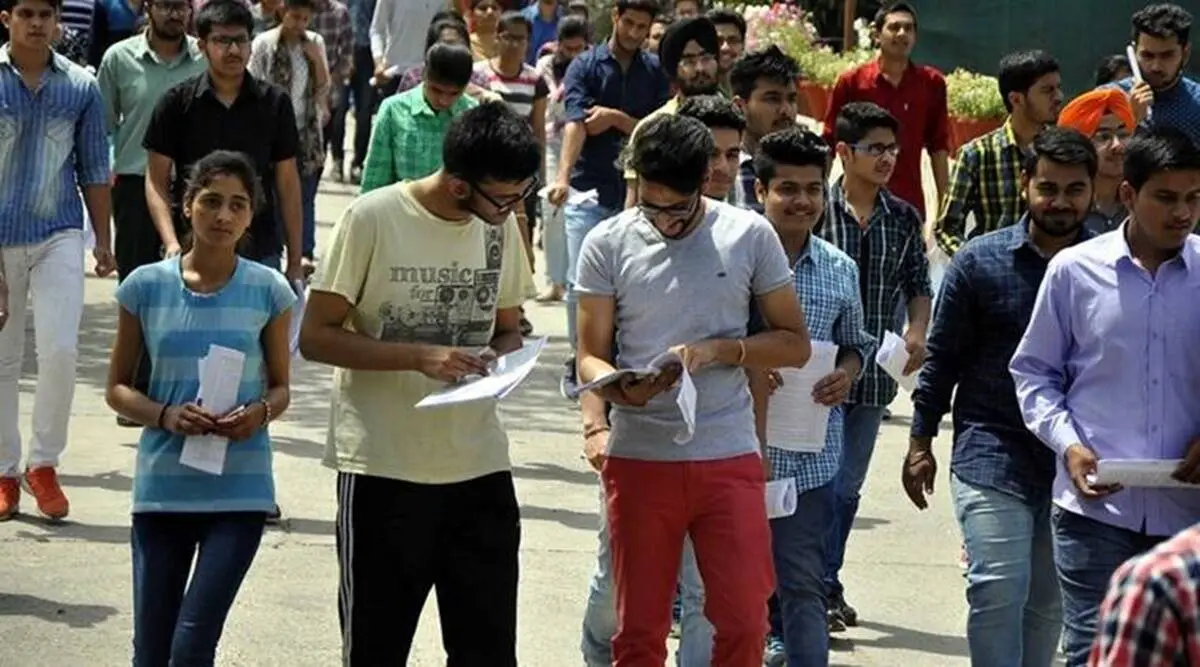






The Central Board of Secondary Education (CBSE) conducts board examinations for classes 10 and 12 across India, and the upcoming exams in 2027 are pivotal in determining the academic future of countless students. The significance of these exams extends beyond mere assessments; they represent a culmination of years of educational efforts. Not only do they evaluate students’ understanding of the curriculum, but they also play a critical role in shaping their academic choices and career paths following school.
For the 2027 examinations, students in class 10 and class 12 will be expected to participate. These classes are often viewed as foundational in a student’s educational journey, laying the groundwork for higher education. As such, the importance of adequate preparation cannot be overstated. Schools and educators are encouraged to provide resources and support to help students gear up for these assessments.
The timeline leading up to the board exams is crucial. Generally, the CBSE board exams are conducted in March each year, but 2027 will see a detailed schedule published well in advance. The registration process usually begins several months prior, requiring students and schools to fill out necessary forms and submit required documents. It is essential for students and their parents to stay informed about these timelines to ensure a smooth registration and participation process.
Furthermore, the List of Candidates (LOC) process, which is another critical aspect of the examinations, will be elaborated upon in the following sections. Understanding the LOC is vital for schools as it pertains to the actual candidates that will sit for the examinations. Overall, being aware of the significance of the CBSE board exams and the surrounding administrative processes sets a foundation for informed actions leading up to 2027.
Detailed Registration Process for CBSE Exams 2027
The registration process for the Central Board of Secondary Education (CBSE) Board Exams in 2027 is critical for students aiming to participate in these important assessments. This section provides a comprehensive overview of the step-by-step registration process, including key dates, eligibility criteria, and documentation requirements.
First and foremost, students must check their eligibility for registration. Generally, students enrolled in Class 10 and Class 12 in recognized schools affiliated with CBSE can register for the exams. It is essential for students to ensure they meet all academic requirements and have completed the necessary coursework to qualify for sitting in the exams.
The registration process typically begins with the notification from CBSE regarding the upcoming board exams. Important dates are announced, including the start and end of the registration window. Students should be diligent in keeping track of these dates to avoid missing the registration deadline.
During the registration phase, students will be required to submit various documents, such as proof of previous academic performance, identity proof, and their school registration number. An accurate compilation of these documents is crucial as any discrepancies can lead to complications or delays in the registration process.
It is advisable for students to consult with school authorities, who can provide guidance on the specific requirements and assist in the submission of the registration forms. Many schools also facilitate the collection of fees related to the examination, which should be accurately calculated and submitted alongside the registration forms. The fee structure can vary based on different categories, hence students should confirm the exact amounts with their respective schools.
In conclusion, being informed about the detailed registration process for CBSE Board Exams 2027 is essential for prospective candidates. Understanding the necessary steps, deadlines, and documentation will aid students in ensuring a smooth registration experience, ultimately leading them to their examination with confidence.
Understanding the LOC Process for Schools
The List of Candidates (LOC) process is a crucial step for schools in preparing for the CBSE Board Exams. This procedure ensures that all eligible students are properly registered to sit for the examinations. Schools play a vital role in gathering and submitting the required information to the Central Board of Secondary Education (CBSE).
During the LOC process, schools must collect accurate details about each student, including their names, roll numbers, and other necessary identification information. It is essential for schools to ensure that this data is correct to avoid any discrepancies that could lead to complications during the examination period. Furthermore, the submission of the LOC is not just a formality; it determines whether students can appear for their board exams.
Additionally, schools must adhere to specific deadlines set by the CBSE for submitting the LOC. Missing these deadlines may result in students not being able to participate in the examinations, which could significantly affect their academic progression. As such, schools need to proactively communicate with stakeholders, including students and parents, to ensure timely submissions of documents.
Moreover, schools are responsible for verifying the eligibility of candidates before submitting their details to the board. This involves confirming that students meet all the necessary criteria, such as attendance and academic performance, set forth by the CBSE. It is recommended that schools implement a systematic approach to gather this information efficiently, reducing the likelihood of errors in the LOC.
To facilitate a smooth registration process, many schools opt to conduct information sessions or workshops for students and parents. This can help clarify any doubts regarding the documentation required and provide a timeline for important tasks. By engaging the school community in this process, institutions can foster a sense of responsibility and cooperation that benefits everyone involved.
Key Tips for Students and Parents During Registration
As the examination season approaches, it is crucial for students and parents to focus on the registration process for the CBSE Board Exams. To ensure a smooth experience, certain practical tips can be helpful in navigating this crucial stage. Proper preparation and understanding of the procedure can significantly impact the outcome and reduce stress.
First and foremost, it is essential to familiarize yourself with the registration deadlines. The Central Board of Secondary Education (CBSE) typically releases an official notification outlining key dates. Keeping the dates in check, including those for submitting the List of Candidates (LOC) along with registration, is vital. Students should keep a calendar dedicated to these deadlines to avoid any last-minute rush or unexpected issues.
When preparing for the registration process, compile all necessary documentation in advance. This documentation often includes previous examination marksheets, identification proof, and photographs. Having these documents ready will streamline the process, allowing students and parents to focus on more pressing academic preparations.
Another important tip is to verify all the details entered in the registration forms. Mistakes, even minor ones, can lead to challenges down the line—such as errors in the roll number or subject combinations. Thoroughly reviewing the form before submission can prevent potential headaches in the future.
Moreover, it is advised to stay in constant communication with the school administration. Schools often act as a bridge between the students and the CBSE, so addressing any concerns or queries regarding the registration process with school officials can provide valuable clarity and guidance.
Finally, parents should encourage their children to adopt a calm attitude throughout the process. Stress is common during exam preparations and handling registrations. Assisting with organization and planning can alleviate some pressure on students, allowing them to focus on excelling in their studies.