


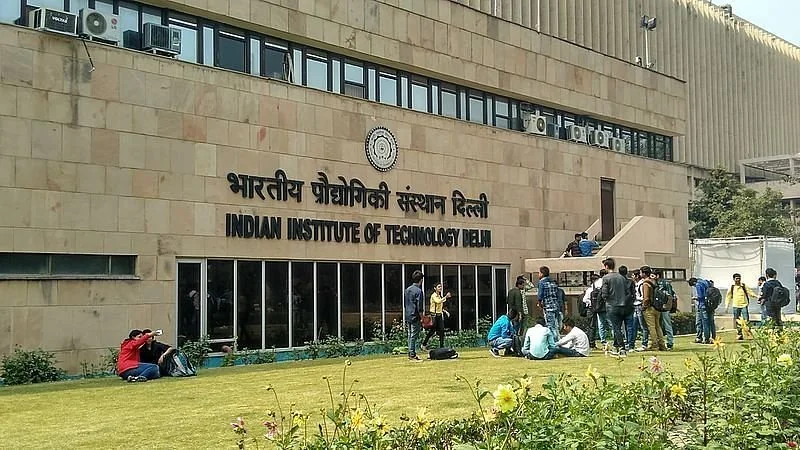
The fee payment crisis for Dalit students in India has emerged as a pressing concern, particularly in relation to their access to prestigious institutions such as the Indian Institutes of Technology (IITs) and Indian Institutes of Management (IIMs). Despite advancements in education and affirmative action, many students from marginalized communities continue to face formidable financial barriers that hinder their pursuit of higher education.
In recent years, several reports have highlighted cases where students were unable to pay their tuition fees, leading to their expulsion from these esteemed institutions. For instance, one Dalit student from Bihar faced the threat of withdrawal from an IIT due to outstanding fees, despite having secured a scholarship intended to alleviate such burdens. This situation exemplifies the discrepancies between the scholarship amounts and the actual fees, highlighting a systemic issue that exacerbates educational inequalities.
Economic constraints are a significant factor in this crisis. Many Dalit families rely on low-income jobs, which often do not provide enough financial stability to support the educational aspirations of their children. This lack of resources forces students to take loans or seek part-time employment, further complicating their academic pursuits. Consequently, the intersection of socio-economic status and educational access creates a cycle of disadvantage that disproportionately affects Dalit students.
Moreover, systemic issues within the funding frameworks of these institutions often do not provide timely or adequate support. Scholarship disbursement delays can lead to dire circumstances for students who cannot afford to pay upfront fees. The combination of these barriers – economic, institutional, and systemic – underscores the urgent need for effective solutions to ensure that marginalized communities can access higher education without the looming threat of financial distress.
Government Response and Registration of Institutions
The recent fee payment crisis impacting Dalit students has prompted a significant response from the government, particularly concerning the registration of Indian Institutes of Technology (IITs) and Indian Institutes of Management (IIMs) in relation to student scholarships. This initiative seeks to alleviate the financial burdens faced by students hailing from marginalized communities, thereby promoting equal access to quality education. The proactive approach signifies a recognition of the systemic challenges present within the education sector and aims to create pathways for students from disadvantaged backgrounds.
To implement this initiative, the government has proposed frameworks that outline the registration process for these prestigious institutions. This includes the establishment of guidelines that mandate IITs and IIMs to designate a portion of their resources towards scholarship funds specifically for Dalit students. Such policies aim to enhance transparency and accountability, ensuring that the offered financial support reaches the targeted beneficiaries. Furthermore, by requiring these institutions to account for their obligations towards marginalized groups, the government enforces a standard of responsibility that can lead to improved educational outcomes.
The potential impact of these initiatives on Dalit students is significant. By facilitating access to financial assistance, the government not only aims to counteract the immediate challenges posed by the fee payment crisis but also to promote long-term educational equity. The scholarships are expected to empower students to pursue their academic goals without the constant worry of financial constraints. In turn, this may contribute to a more diverse and inclusive academic environment, fostering innovation and progress across various fields.
Moreover, the registration of IITs and IIMs under this initiative serves as a crucial step towards institutional accountability. By formalizing their commitment to support Dalit students, these institutions are encouraged to develop robust mechanisms for tracking and reporting on the effectiveness of their scholarship programs. This accountability could enhance public trust in educational institutions, driving further initiatives aimed at supporting underrepresented groups in their academic pursuits.
Potential Impact on Dalit Students’ Access to Education
The initiatives aimed at registering Indian Institutes of Technology (IITs) and Indian Institutes of Management (IIMs) for student scholarship programs are poised to create significant opportunities for Dalit students. These measures seek to address the ongoing challenges that these students encounter regarding access to higher education, particularly in prestigious institutions. By facilitating scholarships, the government endeavors to mitigate the financial burdens that often deter Dalit students from pursuing their academic aspirations.
One of the most promising outcomes of this registration is the potential for increased enrollment of Dalit students in IITs and IIMs. Higher education institutions, which are often viewed as bastions of opportunity and innovation, can become more inclusive through such initiatives, thereby enhancing diversity. This incorporation of various social strata fosters an enriching environment that benefits all students, as they gain varied perspectives and experiences that broaden their understanding and learning.
Testimonies from current students illustrate the profound impact of financial support on their educational journey. Many Dalit students express that the burden of high fees has been a continual obstacle. Scholarships can provide these students with the much-needed financial relief that enables them to focus on their studies rather than on economic constraints. Educators also acknowledge that when students from diverse backgrounds enter IITs and IIMs, they bring unique insights that contribute to creative problem-solving and innovative thinking, enriching the academic dialogue within these esteemed institutions.
In conclusion, the government initiatives to register IITs and IIMs for scholarships represent a transformative step towards enhancing educational access for Dalit students. By promoting inclusivity and diversity, the overall educational ecosystem in India stands to benefit from the wealth of talent and perspective that these students bring to the learning community.
Future Directions and Recommendations
The recent government initiatives aimed at registering IITs and IIMs for student scholarships have raised significant hopes for Dalit students navigating the challenges stemming from fee payment crises. To facilitate the successful implementation of these scholarship policies, several recommendations are essential. Firstly, a robust monitoring and evaluation framework should be established. This framework would assess the effectiveness of the scholarship schemes and ensure that they reach the targeted beneficiaries efficiently. Regular audits and feedback mechanisms could help in refining the scholarship processes and addressing any issues promptly.
Furthermore, engaging stakeholders such as educational institutions, community organizations, and students themselves is vital. This engagement can foster a sense of ownership and collaboration, ensuring that the programs address the actual needs of Dalit students. Workshops and forums may serve as platforms for dialogue, offering insights into the challenges faced by these students and promoting awareness about available scholarships. It’s imperative that the initiatives also extend beyond merely issuing scholarships; provisions for mentorship programs, career counseling, and academic support must be integral to the scholarships.
Finally, the long-term implications of these initiatives merit thorough consideration. By bridging the educational gap, these scholarships can serve as a fulcrum for promoting equality across various strata of society. A more educated Dalit community not only enriches the socio-economic fabric but also contributes to a more equitable society, where opportunities are accessible irrespective of caste. As these initiatives evolve, continuous evaluation will provide valuable insights, ensuring adaptation to changing scenarios and reinforcing the commitment to empowering Dalit students in their educational pursuits. In conclusion, the recommendations outlined serve as a pathway to foster inclusivity and fairness in India’s educational landscape, ultimately nurturing a more just society.