







NTA Issues Guidelines The National Eligibility cum Entrance Test (NEET) serves as a critical examination for aspiring medical students in India, being the primary gateway for admission into various medical and dental courses. Conducted by the National Testing Agency (NTA), this standardized test assesses a candidate’s understanding of subjects such as Physics, Chemistry, and Biology, which are pivotal for pursuing medical education. The significance of the NEET exam extends beyond mere eligibility; it plays a vital role in ensuring that talented and competent individuals are selected for training in medical services, ultimately benefiting society.
Given the level of competition in the NEET exam, ensuring integrity and transparency during the examination process is of paramount importance. To achieve this, the NTA has introduced biometric verification as a means to enhance the security measures associated with the examination. This biometric data collection process includes methods such as fingerprint scanning and facial recognition, which are aimed at preventing impersonation and ensuring that the individuals appearing for the exam are indeed the registered candidates. By implementing such technology-driven methods, the NTA aims to uphold the credibility of the examination system.
The incorporation of biometric verification is a testament to the NTA’s commitment to a fair evaluation framework. With increasing concerns regarding malpractices in competitive examinations, the NTA’s proactive approach signifies a significant step towards maintaining a level playing field for all examinees. As the landscape of examinations evolves, measures like biometric verification reflect a broader trend of integrating technology into educational assessments, thereby fostering trust and confidence among students, parents, and educational institutions alike. The NEET exam, bolstered by these advanced verification techniques, not only strives for quality in medical education but also aims to provide a transparent route for aspiring medical professionals in India.
Details of the Biometric Verification Process
NTA Issues Guidelines The National Testing Agency (NTA) has laid out comprehensive guidelines for the biometric verification process aimed at enhancing the integrity and security of the NEET examination. This process is crucial, as it ensures that the identity of each candidate is confirmed through advanced technological means. Candidates are required to undergo this verification both before and during the examination.
Before the examination day, candidates should familiarize themselves with the biometric verification process. They are advised to register their biometric data during the application phase, which typically includes fingerprint scanning and digital photograph capture. This pre-registration helps streamline the verification process on the exam day, minimizing delays.
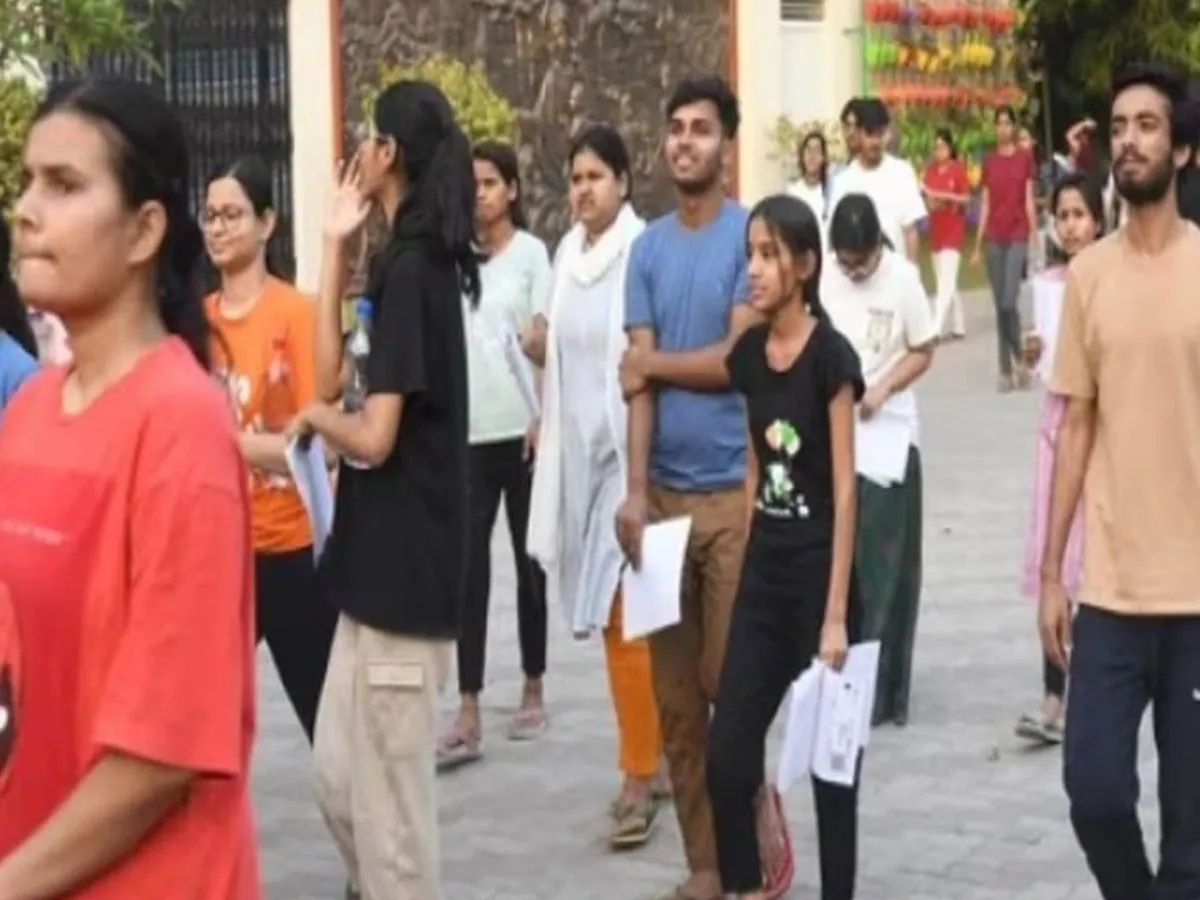
On the examination day, candidates will undergo biometric verification at designated verification points prior to entering the examination hall. This involves scanning their fingerprints and capturing a fresh photograph for real-time identity authentication. Candidates are encouraged to arrive at the examination venue well in advance to complete this process without undue stress. It is also advisable to ensure that their fingers are clean and adequately moisturized to facilitate accurate fingerprint scans.
The technology employed for biometric verification utilizes reliable and secure biometric systems that record and encrypt the data, ensuring privacy and preventing unauthorized access. The NTA emphasizes that all candidate information is treated with the utmost confidentiality and protected through rigorous security protocols. In addition to biometric data, candidates should also have their identification documents ready for additional verification as needed.
After the examination, the biometric data collected will be securely stored and used solely for the purpose of validating examination results. This end-to-end biometric verification process not only safeguards the authenticity of the NEET examination but also assures candidates that their identities are protected throughout the entire process.
Impact on Candidates and Examination Integrity
The implementation of biometric verification for the NEET examination represents a significant step towards reinforcing the integrity of the assessment process. Biometric systems, which include fingerprint scanners and facial recognition technology, are designed to authenticate the identity of candidates effectively and prevent fraudulent practices such as impersonation. By ensuring that the individual taking the exam is indeed the registered candidate, these measures aim to restore confidence in the examination’s credibility.
From the perspective of examination integrity, the introduction of biometric verification is expected to deter potential malpractices. The strict regulations surrounding candidate identification serve not only to uphold the standards of the NEET exam but also to reassure stakeholders—including educational institutions, parents, and future employers—of the honesty of the results produced. This reinforcement of the examination’s authenticity is particularly crucial in a competitive landscape where students seek to secure their future through fair means.
Nevertheless, the deployment of such technology has generated mixed responses from candidates and other stakeholders. While many students understand the necessity of fostering a fair examination environment, some express concerns regarding the potential for technical failures, privacy issues, and the stress associated with additional verification measures on exam day. Students may worry about the reliability of the technologies used and whether they could inadvertently affect their performance if such systems encounter glitches. Moreover, the balance between enhancing security and ensuring a smooth testing experience remains a topic of ongoing debate in the educational community.
In conclusion, the integration of biometric verification into the NEET exam aims to mitigate impersonation and reinforce examination integrity, although it has also raised some concerns among candidates. It’s essential for the National Testing Agency (NTA) to continuously evaluate the efficacy of these measures and address stakeholder concerns to maintain trust in the examination system.
Conclusion and Future Prospects for NEET and Biometric Verification
The National Testing Agency (NTA) has introduced significant guidelines regarding the implementation of biometric verification for the NEET examination. These measures aim to enhance the overall security and fairness of the examination process. Key takeaways from the guidelines include the mandatory capturing of biometric data, integration of advanced identification technologies, and stringent protocols to ensure that the verification process is conducted efficiently and accurately.
Through the implementation of biometric verification, the NTA seeks to mitigate issues related to impersonation and examination malpractices. The introduction of such measures signifies a robust commitment to safeguarding the integrity of the NEET examination. As these guidelines are adopted, students can anticipate a more secure examination environment, ensuring that only eligible candidates participate. Future enhancements may involve further technological innovations, such as the incorporation of artificial intelligence and machine learning to refine the biometric processes.
As education systems continue to evolve, the role of technology in examination integrity is projected to expand. The application of biometric verification is likely to set a precedent for other examinations, encouraging more institutions to adopt similar protocols to uphold fairness. Potential advancements may include the development of mobile applications for real-time identity verification and enhanced data storage security measures, ensuring compliance with privacy regulations.
In conclusion, while the guidelines on biometric verification are a crucial step towards enhancing the examination process for NEET, ongoing assessments and updates will be necessary to keep pace with technological advancements and emerging challenges. Educational institutions will need to remain vigilant and proactive in adopting new methods that reinforce the integrity of examinations, thereby securing trust and confidence among students and stakeholders alike.