




NEET The National Eligibility cum Entrance Test (NEET) serves as a pivotal examination for aspiring medical students in India, acting as a standardized pathway for admission into undergraduate medical education across the country. Initiated in 2013, NEET was designed to streamline the admission process by replacing multiple entrance examinations conducted by states and private institutions with a single, centralized exam. This shift aims to mitigate discrepancies in the evaluation of student performance and enhance the integrity of the admission process.
Comprising subjects such as Physics, Chemistry, and Biology, NEET tests the candidates’ understanding and knowledge up to the Class 12 level. The examination is conducted in a pen-and-paper format, allowing approximately three hours for completion. The centralized model invites students from across India to compete on a national level, promoting meritocracy in medical admissions. This model not only provides a fair chance to candidates regardless of their geographical location but also aims to uphold quality in medical education.
Establishing the NEET framework resulted from the acknowledgment that varying state-specific examinations could lead to inconsistencies in candidate assessment. Hence, the introduction of NEET is a step towards ensuring uniformity in evaluating the capabilities of future medical students. The implications of this model are substantial; it reduces the burden on students who would otherwise prepare for multiple exams and consolidates their efforts to excel in a single, comprehensive assessment. However, this approach has also drawn criticism, as disparities in educational opportunities among students from different backgrounds can influence performance. Consequently, the NEET examination model remains a topic of ongoing discussion in the context of fairness and accessibility in medical education in India.
Voices from Hyderabad: Professors Weigh In
The National Eligibility cum Entrance Test (NEET) has stirred significant debate among educators, especially in Hyderabad, where numerous professors grapple with the consequences of alleged corruption affecting students’ access to medical education. Several professors express concern over the increasing centralization of the examination process, which has allegedly led to a deterioration of local academic governance and growth in malpractices. One professor highlighted a specific incident where discrepancies in question papers raised suspicions among students and educators alike. Such instances underline the need for transparency and accountability in conducting the NEET.
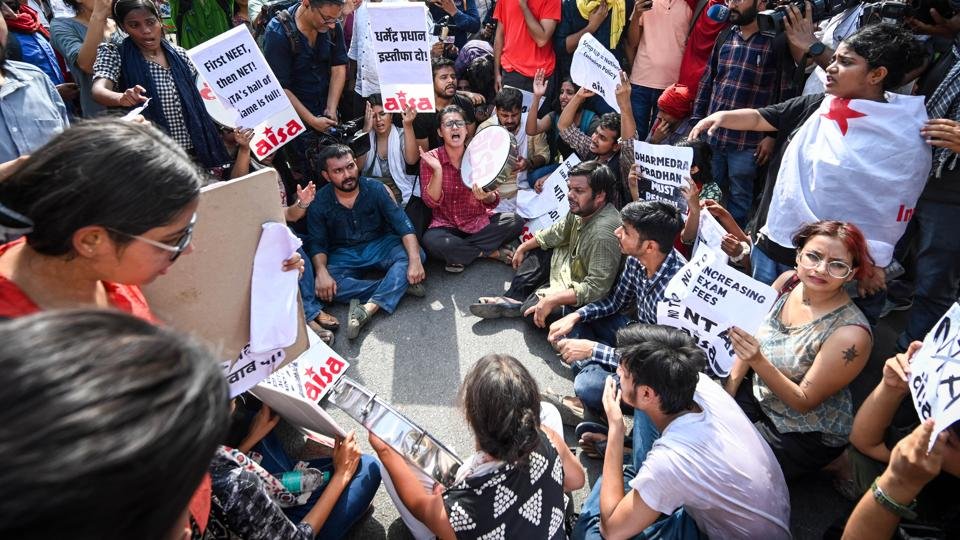
Another prominent issue discussed by educators is the systemic challenges students face under the current NEET framework. Professors emphasized that the pressures of this examination have created an environment rife with anxiety and stress, which exacerbates issues of inequality among aspiring medical students. They noted how socio-economically disadvantaged candidates often struggle to access quality preparatory resources, thus making it increasingly challenging to compete on an equal footing. This inequality, they argue, is compounded by corruption allegations swirling around the examination, casting doubt on the fairness of the process.
The centralization of NEET, while purportedly aiming for uniformity and standardization across the country, has raised alarm bells for many educators. Faculty members voiced concerns regarding the reduction of local authority in the selection process, which has historically allowed localization of needs and contexts within educational admissions. They suggest a potential reevaluation of NEET’s central governance structure, calling for a system that prioritizes regional insights and restores credibility in the examination process. Through these discussions, professors from Hyderabad are urging a thorough investigation into the practices surrounding NEET to ensure future generations of medical professionals are selected fairly and transparently.
Corruption Chronicles: Case Studies and Anecdotes
Corruption within the National Eligibility cum Entrance Test (NEET) has been a topic of significant concern among educators and students alike. Several case studies have emerged from various educational institutions in Hyderabad that illustrate the repercussions of such unethical practices. One notable incident involved a syndicate of individuals who illegally provided answers to a group of students during the NEET examination.
This case came to light when a few professors, upon noticing anomalies in answer sheets, reported the matter to authorities. The investigation revealed that the students involved had paid substantial amounts to access these answers, which not only undermined the integrity of the examination process but also created an uneven playing field among aspirants. The outcome was disastrous for the culprits; they faced severed ties with their institutions and legal repercussions, which served as a wake-up call to many.
Another anecdote highlights the impact of bribery on the allocation of medical seats. Some professors shared their experiences about students being approached by middlemen who promised certain admission qualifications in exchange for hefty sums of money. Such practices have led to qualified and deserving candidates losing out on opportunities, making the examination process seem more like a commodity rather than a scholarship for merit.
Furthermore, a faculty member at a prominent medical college reported that, during the past few admissions, several students were found to have incorrect documents and manipulated scores. Despite their ineligibility, they secured seats due to connivance between certain admission officials and external agents. These events have tarnished the reputation of educational institutions and raised serious concerns about the credibility of NEET. The integrity of such an essential examination must be safeguarded to ensure fair opportunities for all future medical aspirants.
Possible Reforms: Moving Beyond Centralization
The centralization of the National Eligibility cum Entrance Test (NEET) has raised significant concerns regarding transparency, fairness, and access in medical admissions across India. To address these issues, several reform measures can be considered, particularly drawing insights from the academic perspectives of professors in Hyderabad. One of the primary suggestions involves decentralizing the examination process, allowing for multiple state-level entrance tests that align with the national curriculum while accommodating regional educational frameworks.
Furthermore, the implementation of a two-tier examination system may improve the current model. The first tier could serve as a screening test, assessing foundational knowledge and competencies, while the second tier would focus on practical skills and situational judgment relevant to medical practice. This approach not only diversifies the assessment criteria but also mirrors the multifaceted skills required in modern-day healthcare professionals.
Additionally, it may be beneficial to introduce randomized question banks that change with each examination cycle, thereby minimizing the chances of malpractices associated with question leaks. Enhanced regulatory frameworks could be established to monitor examination integrity, incorporating technology such as artificial intelligence to detect anomalies in testing patterns, which would further bolster trust in the examination system.
Moreover, establishing a transparent grievance redressal mechanism would ensure that students have a platform to voice concerns regarding unfair practices, fostering a more inclusive environment. By inviting feedback from educators, students, and stakeholders within the sector, the reforms can tailor the examination process to better serve the diverse needs of aspiring medical professionals.
Ultimately, by moving beyond the current centralized model and implementing these suggested reforms, the NEET examination can evolve into a more equitable, transparent, and effective pathway for medical admissions, fostering a generation of healthcare providers equipped to face the challenges of an ever-evolving medical landscape.