





NEET The Public Interest Litigation (PIL) filed in the Delhi High Court has brought to light various allegations surrounding the protests related to the National Eligibility cum Entrance Test (NEET) exam leak. NEET is a crucial medical entrance examination in India, serving as a gateway for aspiring medical students to secure admission to undergraduate courses in medical and dental colleges across the nation. With its high stakes and significant implications for students’ futures, any malpractice associated with the exam has far-reaching consequences.
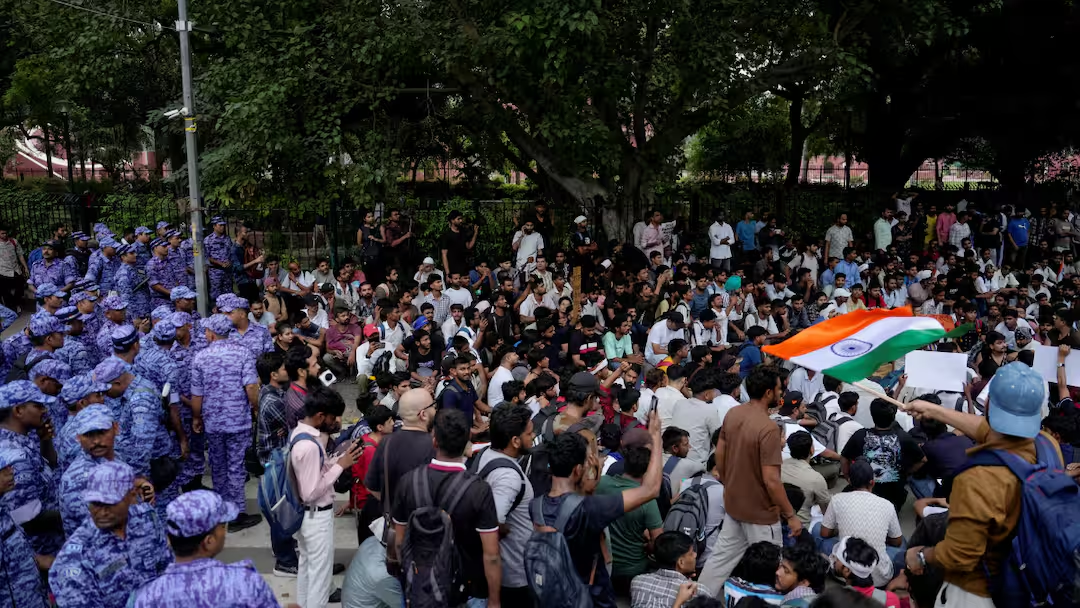
The examination is intended to be a fair and transparent process, ensuring that meritorious candidates have the opportunity to pursue their medical careers. However, the recent allegations of a leak have led to widespread protests among students and stakeholders in the education sector. These protests are rooted in concerns regarding the integrity of the examination and the potential impact of any discrepancies on students’ chances of admission. The claim of foreign funding behind these protests adds another layer of complexity to an already charged scenario.
The PIL seeks to investigate the alleged foreign influence in the protests and the possibility of financial backing from external entities. The petitioners argue that the involvement of foreign funding could undermine the legitimacy of the dissent expressed by the students, thereby necessitating a judicial inquiry into the matter. Central to the PIL is the demand for transparency and accountability in both the NEET examination process and the protests that have emerged in response to the alleged leak. It challenges both the examination authorities and the demonstrators to clarify the origins of their funding and motives.
The parties involved in the litigation include the petitioners who seek justice and accountability, the Delhi High Court, which will examine the merits of the claims, and the examination authorities, tasked with safeguarding the integrity of the NEET examination. As this case unfolds, it underscores the intersection of education, public interest, and legal frameworks in India.
Details of the Allegations in the PIL
The Public Interest Litigation (PIL) filed in the Delhi High Court has raised serious concerns regarding the integrity of the National Eligibility cum Entrance Test (NEET) examination. The petitioners allege that foreign funding has played a clandestine role in mobilizing protests against the NEET exam leak, casting a shadow over the examination system’s credibility. Specifically, the PIL claims that certain protest groups have received financial support from external entities, potentially influencing the direction and intensity of the demonstrations.
To substantiate these allegations, the petitioners have presented various pieces of evidence, including financial transaction records and communications between protest organizers and foreign donors. They assert that these connections signify a broader agenda aimed at destabilizing the educational framework in India. The implications of foreign funding in domestic protests raise concerns about sovereignty and the integrity of national examination systems, which are designed to maintain meritocracy and fair competition.
The motivations behind the protests have been subject to scrutiny, with the petitioners arguing that while there are legitimate grievances regarding the NEET exam process, the involvement of foreign funding could overshadow the genuine concerns of students and their families. Critics of the protests argue that such financial backing could compromise the autonomy of the movements, making them susceptible to the interests of foreign entities. Furthermore, the links between these external sources and local protest groups have prompted discussions about the potential manipulation of public sentiment and political discourse.
As the Delhi High Court deliberates on the PIL, the examination of these allegations is crucial. It poses questions not only about the protests against the NEET exam leak but also about how foreign influence may affect educational policies and practices in India. The outcomes of this hearing could set important precedents regarding transparency and accountability in educational funding and activism.
Response from the Delhi High Court and Legal Implications
The proceedings in the Delhi High Court regarding the Public Interest Litigation (PIL) that alleges foreign funding behind the protests associated with the NEET exam have attracted considerable attention and scrutiny. Respondents, including government representatives and organizations linked to the NEET exam, were called upon to provide clarification and evidence in relation to the claims of foreign interference. The court’s initial inquiries have focused on the legitimacy of the allegations and the sources of funding that may have influenced the protests.
During these proceedings, the Delhi High Court has taken an active role in examining the legal framework surrounding foreign funding in India, particularly concerning its implications for educational institutions and their governance. The court analyzed various statutes, including the Foreign Contribution (Regulation) Act (FCRA), which governs the acceptance of foreign funds by non-profit organizations and educational institutions. This examination is critical, as it sets the stage for assessing whether the protests against the NEET exam, if linked to foreign funding, contravene established regulations.
In the course of the hearings, the court issued interim orders that underscore the importance of transparency and accountability in times of heightened public sentiment. These interim measures not only aim to protect the integrity of the ongoing educational processes but also serve to signal to future protesters and organizations that actions influenced by potentially illegitimate funding may face legal scrutiny. The potential legal implications of this case could extend beyond the immediate context, shaping future regulations that determine how educational protests are organized and funded. This will undoubtedly influence the broader discourse on educational reform and the need for clear guidelines concerning financial support in India’s educational landscape.
Public Reaction and Broader Implications of the Case
The ongoing Delhi High Court hearing concerning the Public Interest Litigation (PIL) alleging foreign funding behind the NEET exam leak protests has sparked significant public discourse. Reactions have varied widely, reflecting the concerns of multiple stakeholders, including students, educational authorities, and legal experts. Many students have expressed frustration over the perceived lack of transparency regarding examination protocols. They argue that trust in the examination system is vital for their academic and professional futures. The fear of external interference in the educational process, particularly through foreign funding, only exacerbates their anxiety about maintaining the sanctity of academic assessments.
Educational authorities, on the other hand, have emphasized the importance of upholding academic integrity while navigating the complexities arising from foreign involvement. Their stance advocates for a comprehensive examination of funding sources, ensuring that all financial contributions comply with national laws regarding educational governance. Legal experts have weighed in as well, urging the court to carefully consider the implications of the allegations not just in terms of this specific case but also concerning overarching academic governance practices.
The broader implications of the case extend into the realm of national policy regarding education and governance. If the allegations are substantiated, they could lead to heightened scrutiny of how foreign entities engage with the Indian education system. This scenario raises valid questions around the ethical boundaries of financial assistance and intervention, particularly in critical academic milestones like entrance examinations. The outcome of the hearings may set a precedent, influencing legislative measures aimed at safeguarding academic integrity against external pressures.
Ultimately, as the Delhi High Court deliberates on this matter, the public waits to see whether the legal conclusions will reinforce a commitment to fairness and transparency in the educational landscape, free from potential foreign manipulation.