






In public discussion of CBSE attendance concerns, a “dummy admission” generally refers to an arrangement in which a student is enrolled in a school and appears on its records but reportedly does not attend classes or take part in ordinary school life. The student may instead spend most of the academic year at a coaching centre preparing for competitive examinations, or study independently. The term is commonly used to describe an alleged pattern, not a formal category of admission established simply by the label. Whether a particular arrangement breaches applicable requirements depends on the facts, the records and the rules in force.
This allegation should be distinguished from authorised circumstances that may affect attendance or a student’s school participation. Approved leave, documented health-related accommodation, a permitted transfer, or another arrangement allowed by the relevant rules is not automatically a dummy admission. Schools and students may have legitimate reasons for absences or changes in enrolment, but they may need to follow specified procedures and provide supporting documents. An assessment therefore requires attention to the individual case, including attendance registers, communications, approvals and any applicable CBSE or school policies. Neither an allegation nor an unusual attendance pattern alone establishes misconduct.
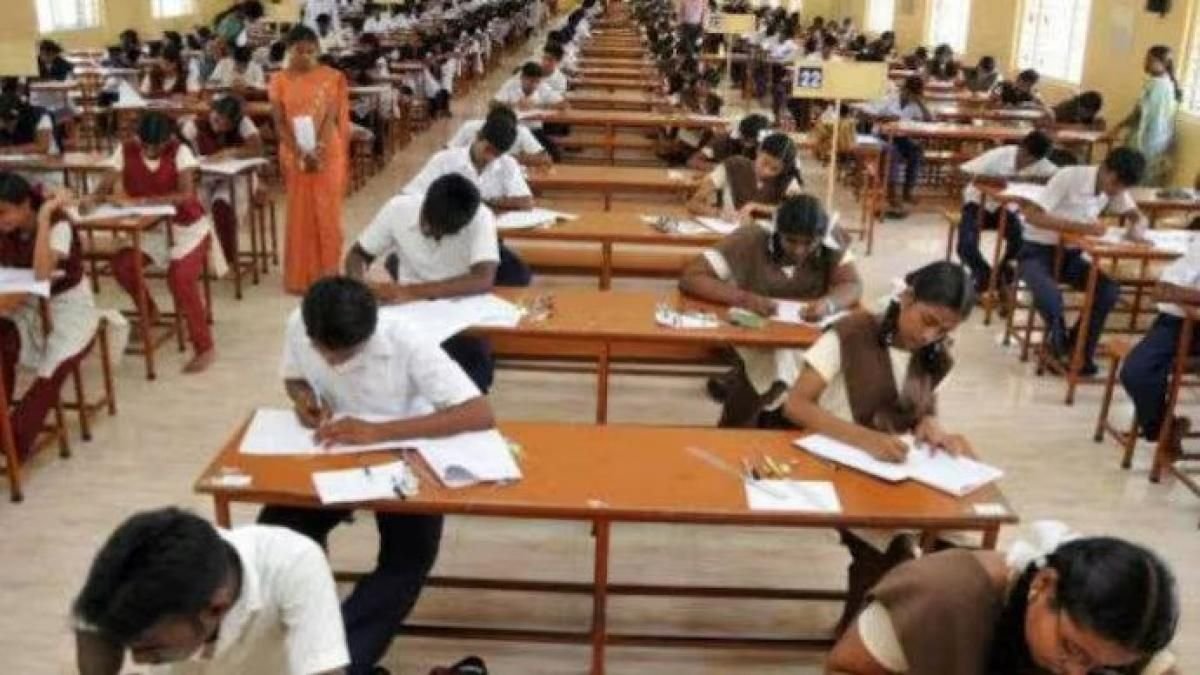
Regular attendance matters because school is more than a place to register for examinations. Lessons provide structured teaching, discussion and feedback that can support understanding beyond independent or coaching-based preparation. Participation also allows teachers to assess progress over time, identify learning gaps and provide support. Daily contact can help schools monitor student welfare, notice difficulties and maintain communication with families. Attendance records further serve administrative purposes, including demonstrating that a student has met applicable conditions for continued enrolment and examination eligibility. CBSE affiliation and examination requirements may set expectations for schools and candidates, and schools are responsible for applying the relevant rules. These purposes explain why reported non-attendance can prompt scrutiny, but they do not establish that every student receiving coaching, every absence, or every school facing an allegation has violated those requirements. Decisions should be grounded in evidence and the specific rules governing the student’s circumstances.
Attendance requirements are intended to ensure that students participate in the teaching and learning needed to prepare for board examinations. Concerns arise when a student with substantial absences continues to appear on a school’s rolls or seeks permission to sit an examination despite not meeting the usual attendance threshold. Such situations can prompt questions about whether attendance has been recorded accurately and whether eligibility decisions reflect the student’s actual participation.
CBSE rules and related procedures may allow genuine exceptions to attendance requirements in specified circumstances. These can involve documented reasons, supporting records and approval through the prescribed process; an exception is not necessarily automatic. The applicable threshold, eligible grounds, documentation and decision-making authority may be set out or clarified in current CBSE regulations and circulars. Students, families and schools should therefore consult the latest official guidance rather than rely on figures or interpretations repeated in news reports or older material.
The wider concern is not limited to examination eligibility. Alleged attendance violations can point to inaccurate registers, inconsistent checks between schools, or uneven enforcement of the same requirements. They may also create pressure on students and families to resolve absences through informal arrangements, while students who attend regularly could perceive that standards are being applied differently. If attendance records do not reflect classroom participation, schools may also lose a useful measure of engagement and educational progress.
These are broader risks associated with the issue, not findings that should be assumed in every case. In reporting connected with the Central Information Commission (CIC) matter, allegations about dummy admissions, attendance records or examination eligibility should be distinguished from confirmed CBSE policy and from facts formally established by an authority. A reported concern, request for information or call for scrutiny does not by itself prove that a particular school breached the rules. Clear records, consistent application of procedures and reference to current official circulars are essential to assessing any individual claim fairly.
The Central Information Commission’s reported call for surprise inspections should be understood as a proposed oversight measure, not as proof that the Central Board of Secondary Education has introduced a new binding rule. A recommendation can draw attention to concerns about attendance and dummy admissions, but any change to school obligations would need to be established through the appropriate official process. Unannounced visits could help authorities test whether records reflect ordinary school practice, rather than a specially prepared snapshot. Their purpose would be to verify information, identify possible discrepancies and support consistent enforcement, while avoiding the assumption that every absence or unusual record signals misconduct.
An inspection could compare daily class attendance registers with enrolment records and the students physically present and participating in lessons. Officials might check whether a pupil listed as attending is actually enrolled, whether transfers and withdrawals have been recorded accurately, and whether examination eligibility paperwork is consistent with the school’s records. They could also review how staff document absences, contact families, correct errors and assess requests for any permitted attendance exemption. Where a discrepancy appears, inspectors would need to establish its context: an illness, approved leave, a recent transfer or an administrative delay may explain an apparent mismatch. Records should be checked across relevant dates, not in isolation.
Credible inspections require clear and fair procedures. Schools should be told what records are relevant, how findings will be documented and how they can respond to concerns or provide missing context. Conclusions should rest on verifiable evidence, such as dated registers and corroborating documents, rather than assumptions based on a brief visit or a student’s absence on one day. Student privacy also matters: information should be collected only when necessary, handled securely and shared only with authorised parties. These safeguards can help distinguish genuine attendance violations from clerical mistakes or legitimate circumstances, while ensuring that any follow-up is proportionate and that students are not unfairly penalised for issues beyond their control.
If an inquiry substantiates attendance manipulation, dummy admission arrangements, or other breaches, a school may face action under the CBSE affiliation rules and procedures applicable to the case. The nature of any response depends on the established facts, the relevant provisions, and the process followed by the Board. A recommendation for inspection or further inquiry is not, by itself, a finding of wrongdoing or a penalty. Schools should have an opportunity to respond through the applicable procedures.
For students, examination eligibility may depend on current attendance requirements, the circumstances of an absence, and whether an exception has been approved under applicable rules. Families should not assume that a reported violation automatically makes a student ineligible, nor that an exception is guaranteed. Decisions should be based on the individual record and the Board’s current requirements, with attention to students’ rights and continued access to education.
CBSE Accurate attendance records are important for both schools and families. Parents and students can check that reported attendance aligns with their own records, raise discrepancies promptly, and communicate with the school in writing so there is a clear account of questions and responses. For medical, family, or other valid absences, retain relevant documentation, such as medical certificates, correspondence, or explanations requested by the school. Submit records through the school’s stated process and keep copies; documentation may help clarify circumstances but does not guarantee approval of an exception.
When requirements are unclear, consult current CBSE notices and circulars rather than relying on informal reports or outdated guidance. Ask the school authorities to explain the attendance position, the applicable rule, and any available procedure for seeking consideration. If questions remain unresolved, parents may seek clarification from the relevant CBSE office through its official channels. These steps can support an informed response without escalating an issue unnecessarily.
Accountability should address proven non-compliance and be proportionate to the facts, while avoiding assumptions based solely on an allegation or an inspection recommendation. Transparent records, fair procedures, and clear communication can help protect the integrity of examinations while safeguarding students from consequences that are not supported by the applicable rules or evidence.