


Entrance tests in India play a pivotal role in the educational landscape, serving as crucial gateways for millions of students aspiring to pursue higher education. These assessments, ranging from the Joint Entrance Examination (JEE) for engineering aspirants to the National Eligibility cum Entrance Test (NEET) for medical students, are designed to evaluate candidates’ knowledge, skills, and aptitude in their chosen fields. Each year, it is estimated that over 10 million students participate in various entrance exams, highlighting their significance in determining academic and career trajectories.
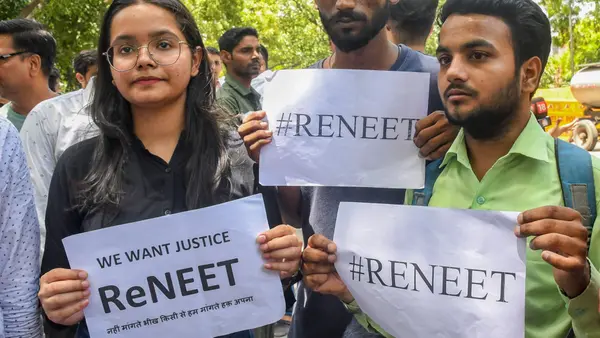
However, these tests are not without challenges. Students often encounter immense pressure, driven by the competitive nature of these exams and the high stakes associated with their outcomes. The looming prospect of failure can lead to significant psychological stress, impacting students’ overall well-being and academic performance. Additionally, discrepancies in evaluation processes, including errors in answer key releases and scoring, can further exacerbate these issues, creating an atmosphere of distrust and frustration among candidates.
The fertility of entrance tests in fostering academic excellence is undermined by these challenges, underscoring the necessity for comprehensive reforms. Students are increasingly voicing concerns about the efficacy and integrity of the current examination framework, prompting calls for a transition towards a more reliable and transparent system. Recognizing these issues, Dharmendra Pradhan has recently advocated for “zero-error” examinations, emphasizing the urgency of delivering a fair and accurate assessment experience. His proposals aim to alleviate the existing burden on students and ensure that the entrance tests serve their intended purpose effectively.
Dharmendra Pradhan’s Vision for Zero-Error Entrance Tests
In an ambitious pursuit of educational reform, Dharmendra Pradhan has emphasized the necessity for a transformative approach to entrance tests, aiming for a model devoid of errors by January. Pradhan articulates that the current testing system presents inherent flaws that compromise the integrity and authenticity of the examination process. By advocating for zero-error entrance tests, he seeks to establish a framework that ensures fairness, transparency, and credibility—principles that are fundamental to an effective educational framework.
Pradhan’s rationale for these reforms is grounded in the belief that the quality of education evaluation directly impacts the academic and professional trajectories of students. He argues that students should participate in an evaluation process that is not only equitable but also inspires confidence among stakeholders, including educational institutions and potential employers. Emphasizing this need for integrity in entrance examinations, Pradhan highlights that credibility must be restored to the examination system to alleviate the prevalent concerns regarding bias and transparency.
The proposed changes center around the introduction of advanced technologies and methodologies capable of refining the assessment process. These enhancements may include the utilization of artificial intelligence for question generation and answer evaluation, meticulous monitoring systems to deter malpractices, and a structured feedback system to evaluate both the examiners and the examination itself. Through such initiatives, Pradhan envisions a future where entrance tests serve not merely as hurdles to educational advancement but as credible assessments of competence and readiness for higher educational pursuits.
Pradhan’s vision for a zero-error examination system exemplifies a commitment to elevating educational standards, thereby fostering a competitive yet fair environment for aspiring students. The focus on reforming entrance tests as a priority underlines the need for systemic changes and was articulated succinctly as a pathway towards greater trust and reliance in the academic evaluation process.
Role of State Governments in Implementing Reforms
The successful implementation of zero-error entrance tests requires a collaborative approach between central and state governments. State governments play a crucial role in facilitating the proposed reforms, ensuring that the necessary infrastructure, training, and technology are in place to support error-free examinations. One of the primary actions that state governments can take is to enhance educational infrastructure. This includes upgrading examination centers and ensuring that they are equipped with the necessary resources, such as high-speed internet and modern computer systems, to handle digital assessments efficiently.
In addition to infrastructure development, training personnel is vital for the adoption of zero-error tests. State governments can implement training programs aimed at academic staff and examination administrators, focusing on best practices for conducting assessments without errors. These programs can also include workshops on the use of technology in examinations, which is essential for maintaining the integrity and efficiency of testing processes.
Moreover, the adoption of advanced technologies can significantly contribute to the implementation of these reforms. State governments can invest in digital platforms that facilitate real-time monitoring of examinations, ensuring accuracy and transparency throughout the assessment process. By incorporating artificial intelligence and data analytics, states can identify potential areas of improvement, leading to a more robust examination system.
Several states in India have already begun to implement similar reforms, serving as potential models for others. For example, states like Karnataka and Maharashtra have made strides in enhancing their examination processes by adopting technology and improving their administrative frameworks. These examples can guide other states in formulating their strategies for transitioning to zero-error assessments effectively.
Overall, the cooperation between state and central governments is essential for the reform of entrance tests. By investing in infrastructure, training, and technology, state governments can ensure the successful implementation of these critical changes, leading to a fair and accurate assessment system for all students.
Potential Impact and Future Prospects
The proposed reforms advocating for zero-error entrance examinations represent a significant shift in the Indian education landscape. One of the most crucial impacts of these reforms is the potential to enhance the overall experience of students as they navigate their academic journeys. By reducing the chances of errors in the examination process, students may experience increased confidence in their results, leading to a more positive perception of their educational path. This trust could reduce the anxiety often associated with high-stakes exams, fostering a healthier learning environment.
Moreover, zero-error exams have the power to uplift educational outcomes across various levels of academia. When assessments are designed meticulously, without errors, the evaluation reflects a more accurate measure of a student’s capabilities and knowledge. As a result, educational institutions may benefit from a pool of candidates who genuinely represent their skills and potential, ultimately raising academic standards and levels of performance at universities and colleges.
Long-term implications of this reform extend toward creating a more equitable access to education. With the assurance of error-free assessments, students from diverse backgrounds may feel more inclined to participate in entrance examinations, knowing that their merit will be evaluated fairly. Such inclusivity could lead to a more diverse student body contributing to richer academic discussions and innovation. Additionally, as confidence in the examination process grows, so does the overarching trust in the education system, creating a competitive and merit-driven environment.
As these transformations unfold, the Indian education system may increasingly align with global standards, emphasizing not just the importance of academic success but also the equity and integrity within the admissions process. Observers and stakeholders are left to ponder what the future holds if these reforms are embraced, potentially marking a turning point in the higher education framework in India.