



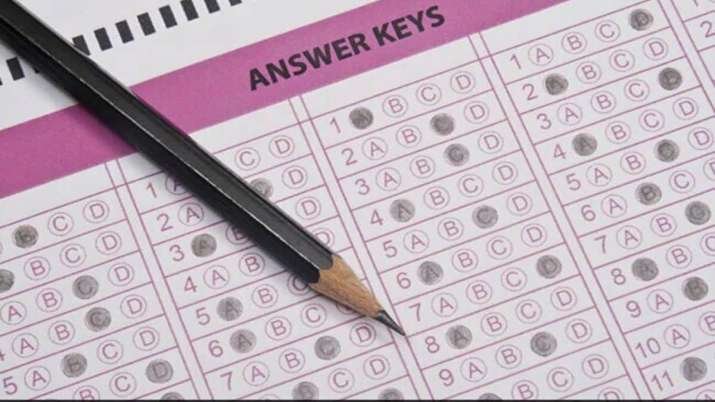
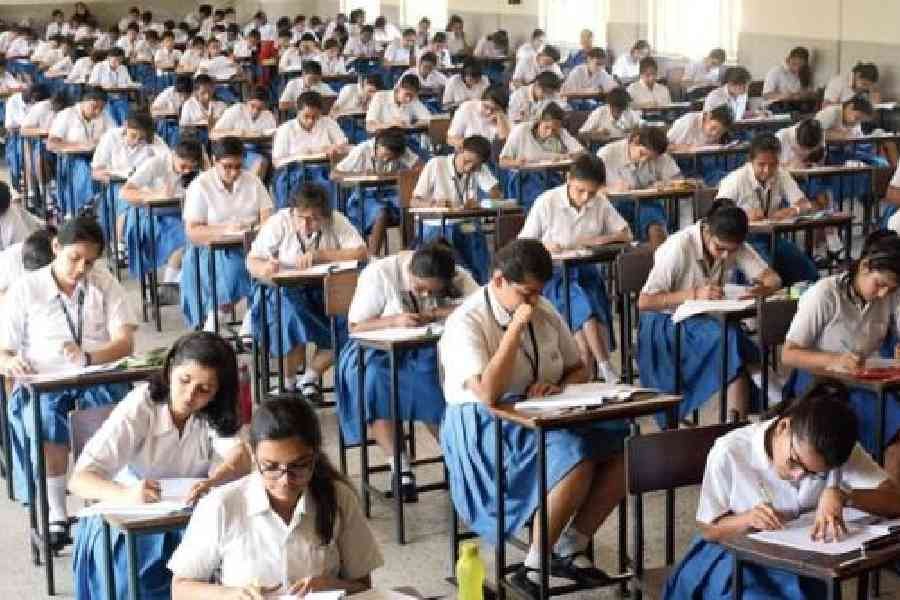
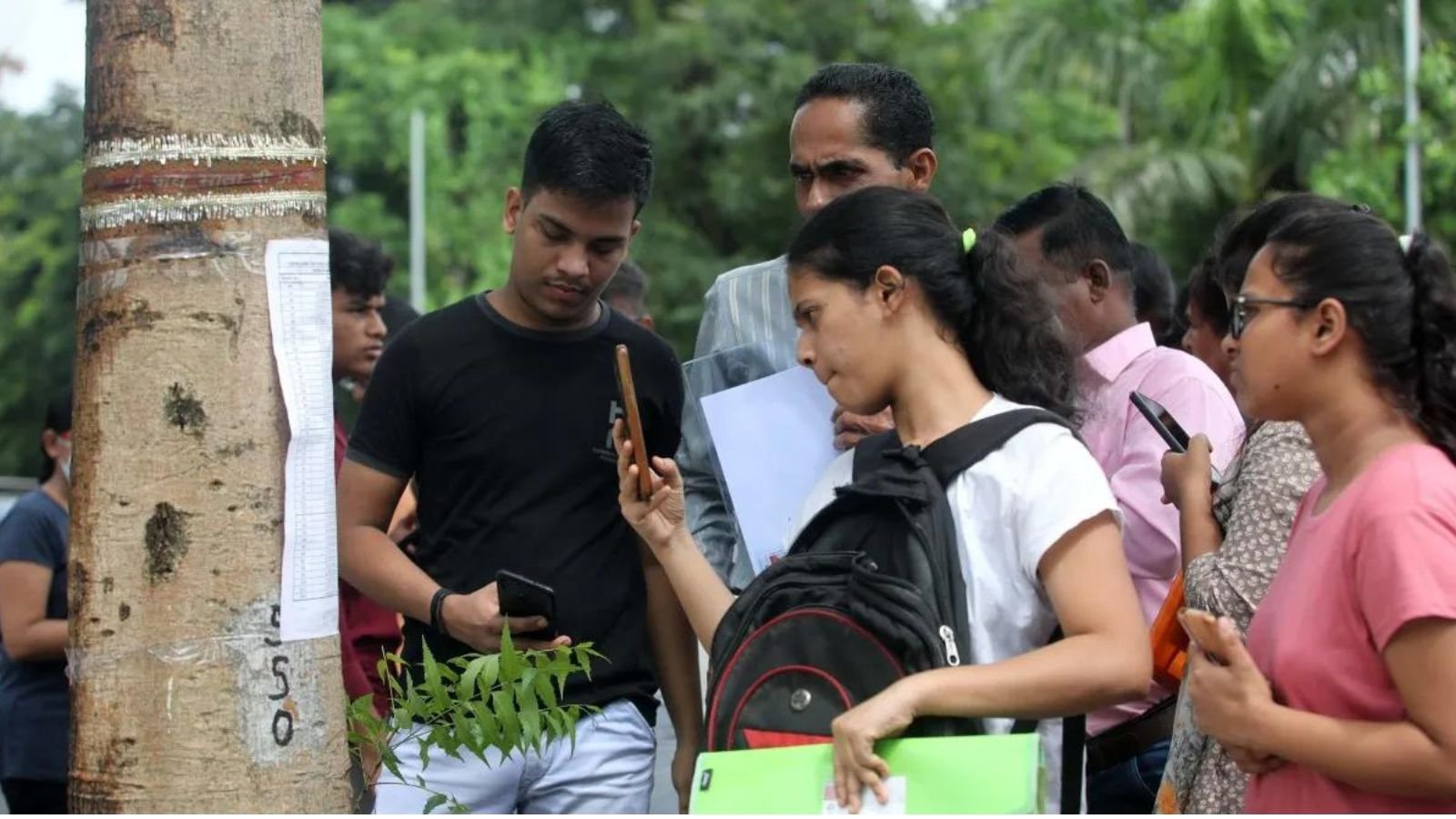


The National Eligibility cum Entrance Test (NEET) is a pivotal entrance examination in India for students aspiring to pursue undergraduate courses in medicine and dental sciences. Following the examination, the allocation of seats is carried out through a structured process established by the relevant authorities to ensure fairness and transparency in medical admissions. This section explores the NEET seat allocation system, outlining the criteria and processes involved.
Initially, the seat allocation is determined based on the performance of candidates in the NEET exam. Candidates who secure a minimum qualifying score are eligible for seat allotment, while the ranks obtained during the examination play a crucial role in the selection process. The total number of seats available is distributed among various categories such as general, reserved, and minority, in accordance with government regulations and policies.
Once the results are declared, candidates are invited to participate in the counseling process, which consists of multiple rounds. During each round, candidates can select their preferred college and course based on their rank and availability of seats. The allotment is done through a computerized system, taking into account the preference of the candidates and the category they belong to. Seats are also reserved for specific groups, ensuring representation for disadvantaged segments of society, which fosters inclusivity.
However, instances where allotted seats are vacated pose significant challenges. When candidates choose not to join the college after being allocated a seat, it results in wastage and unfilled seats for subsequent rounds. This not only impacts the overall admission process but also diminishes opportunities for other deserving candidates who could have filled these seats. Ensuring efficient management of the seat allocation system is critical in maintaining fairness in NEET admissions.
The Impact of Seat Wastage on Deprived Candidates
The issue of NEET (National Eligibility cum Entrance Test) seat wastage has significant repercussions, particularly for candidates hailing from underprivileged backgrounds. When a seat remains unoccupied, it not only signifies missed opportunities for those vying for medical education but also highlights systemic inequities in accessing higher education. Individuals from economically disadvantaged families often face myriad challenges in preparing for and participating in the NEET examination, making each available seat crucial for their futures.
Statistics reveal a troubling trend; a substantial number of NEET seats go unfilled each year. For instance, in recent years, nearly 20% of available seats at various medical colleges across India have remained vacant. This statistic translates to thousands of aspiring medical students—with dreams of becoming doctors—being denied the chance to secure an education. The implications of this wastage are particularly stark for candidates from lower socioeconomic strata, who may lack the resources for repeated attempts at this competitive examination.
Testimonies from affected individuals illustrate the depth of this issue. Take, for example, the story of Priya, a young girl from a small village who, after years of hard work, managed to qualify for NEET but was unable to secure a seat. Priya’s aspiration was to become a doctor, serving her community where healthcare is limited. Her situation is not an isolated case; numerous candidates share similar experiences, feeling disheartened and marginalized by a system that fails to fully utilize its available resources. These stories underscore the need for a more equitable approach to seat allocation, prioritizing organizations that can ensure that every deserving candidate has a fair chance at success.
Thus, addressing the issue of NEET seat wastage is not merely an administrative challenge; it is a matter of fairness and equity for deprived candidates who depend on these opportunities to alter their socio-economic status. Ensuring that seats are filled could potentially transform lives and communities, making it imperative for stakeholders to take action.
Legal Perspectives: The HC Ruling on Seat Debarment
The recent ruling by the High Court regarding the debarment of a student who vacated an allotted seat has sparked considerable discussion within educational and legal circles. This decision upheld the principles governing the allocation of seats in NEET (National Eligibility cum Entrance Test), emphasizing the importance of maintaining fairness and accountability in the academic environment.
In the case at hand, the court evaluated several arguments presented by both parties. The student’s counsel argued that the debarment was overly punitive and failed to consider the circumstances that led to the vacancy. However, the court maintained that allowing a student to vacate an allotted seat without consequence would undermine the integrity of the NEET seat allotment process. The ruling highlighted the necessity of ensuring that seats are allocated only to candidates who are genuinely committed to continuing their education, thereby preventing unnecessary wastage of resources that could be allocated to other deserving candidates.
This ruling is expected to have significant long-term implications on policies related to NEET seat allotment and debarment. By reinforcing the consequences for vacating an assigned seat, the court has set a precedent that may deter similar actions by future candidates. Educational policymakers may be prompted to reevaluate and potentially tighten regulations surrounding seat allocation, thus ensuring that the seats are utilized efficiently and equitably.
Additionally, this decision underscores the need for all candidates to be aware of the legal ramifications of seat allocation. Aspirants should now approach the NEET admission process with greater diligence and seriousness, understanding that their commitments carry legal weight. Hence, the ruling not only addresses immediate concerns but also fosters a culture of responsibility among NEET candidates in the long run.
Proposed Solutions to Reduce Seat Wastage
Addressing the issue of seat wastage in the National Eligibility cum Entrance Test (NEET) requires a multi-faceted approach, involving several strategic reforms aimed at enhancing fairness and accessibility for deprived candidates. One effective strategy would be the implementation of a revised seat allocation process that prioritizes candidates who demonstrate a genuine commitment to pursuing medical education. This could involve a preliminary assessment or screening process, which assesses candidates’ motivations and long-term ambitions in the medical field.
Additionally, enhancing the transparency of the allocation system can play a crucial role in minimizing seat wastage. By creating a platform where candidates can express their preferences and reasons for declining vacated seats, educational authorities can better match candidates to available opportunities. This can also involve establishing a waiting list system to allow other deserving candidates the chance to fill these seats promptly. Such measures ensure that seats do not remain unoccupied for extended periods, which is detrimental to equity in healthcare education.
Moreover, fostering a dialogue among stakeholders—including educational institutions, government bodies, and medical associations—can lead to collaborative solutions to the problem of NEET seat wastage. Regular forums or conferences can be arranged to discuss barriers faced by deprived candidates, thus shaping policies that are more inclusive. Furthermore, investing in awareness campaigns can help educate candidates about the implications of seat acceptance and the necessity of informed decisions.
Lastly, implementing stringent eligibility criteria for seat acceptance may discourage candidates from accepting seats they do not intend to fill eventually. Measures could include requiring signed commitments from candidates confirming their intention to pursue their medical education actively, thereby reducing the likelihood of last-minute withdrawals. Overall, a combination of policy reforms and stakeholder engagement can create a more inclusive and efficient system that minimizes wastage and promotes fairness for all candidates.