
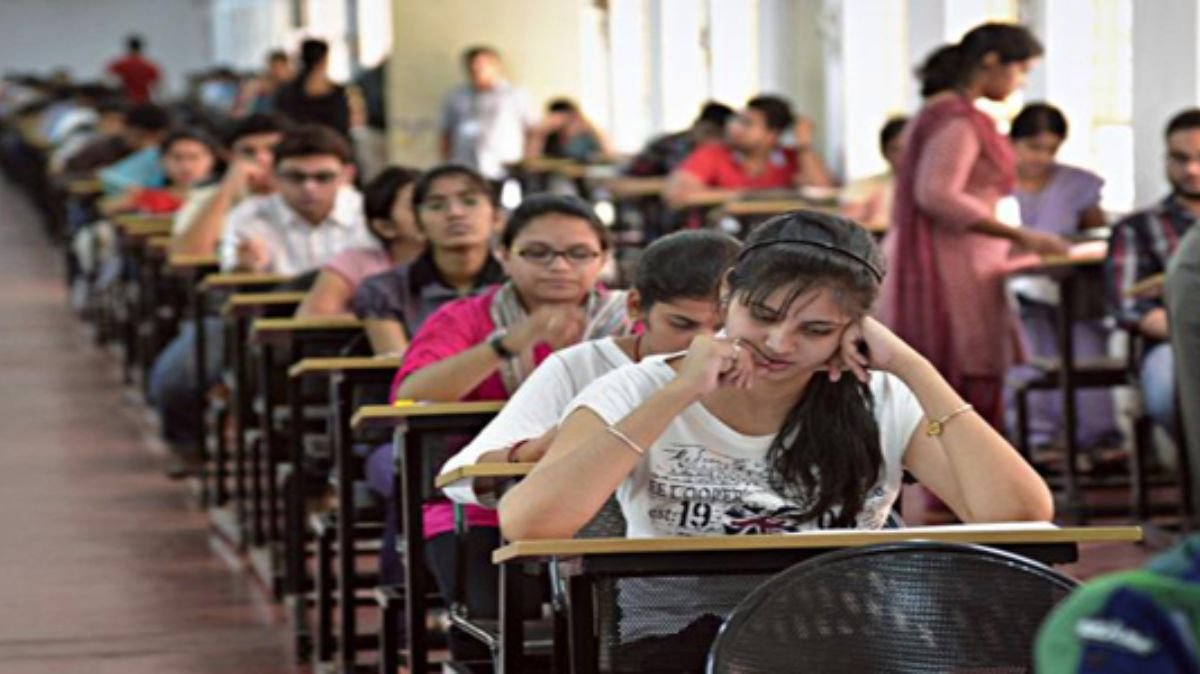



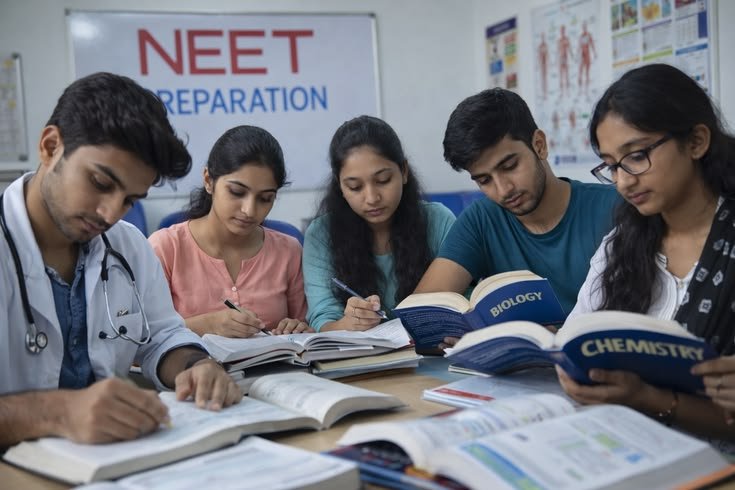

CBSE to Start Open-Book Exams in Class 9 , allowing students to refer to their textbooks, notes, and other resources during the examination. Unlike conventional tests, where memorization and recall are the primary skills assessed, open-book examinations focus on a student’s ability to comprehend, analyze, and apply knowledge. This educational approach prompts learners to engage more deeply with the subject matter, facilitating a better understanding of complex concepts and their real-world applications.
The primary purpose of introducing open-book exams is to evaluate students’ skills beyond rote memorization, encouraging them to think critically and problem-solve. In an era where information is readily accessible, it becomes increasingly important to cultivate skills that allow students to sift through vast amounts of data and employ it effectively. Open-book assessments stimulate this process by requiring students to demonstrate their understanding and reasoning, moving away from the pressures of traditional memorization-based testing.
The rationale behind implementing open-book exams, as endorsed by educational bodies such as the Central Board of Secondary Education (CBSE), is primarily centered on enhancing students’ learning experiences. By nurturing an environment where students feel equipped to explore and utilize various resources, these examinations empower them to become more independent learners. Additionally, they promote time management and critical thinking, as students must discern relevant information quickly and apply it in a structured manner.
Overall, open-book exams signify a progressive change in educational methodology. Their adoption marks a step towards a more holistic approach in assessing student capabilities, focusing on the application of knowledge rather than mere recall, thereby preparing students more adequately for real-world challenges.
CBSE to Start Open-Book Exams in Class 9
The introduction of open-book exams for Class 9 students represents a significant shift in assessment strategies, potentially reshaping how students engage with their studies. Unlike traditional exams that emphasize rote memorization, open-book assessments encourage a deeper understanding of subjects. This approach allows students to utilize resources during examinations, fostering a greater emphasis on critical thinking and problem-solving skills.
One of the most profound effects of open-book exams is the transformation of study habits. Students are likely to shift their focus from memorization to comprehension. They will need to enhance their ability to locate and apply information effectively, making study sessions more collaborative and interactive. This environment can cultivate a more profound connection with the material, as students engage in discussions and group studies to understand concepts deeply rather than merely recalling facts.
Moreover, open-book exams can significantly influence examination preparation strategies. Students may prioritize developing skills in interpretation and analysis rather than spending extensive time memorizing details. This change not only alleviates some pressure associated with traditional testing formats but also encourages a habit of continuous learning. However, the transition to this new format may present challenges. Some students may initially feel unprepared or anxious about relying on resources during exams, fearing they might fail to manage their time effectively.
Educators, too, have expressed concerns regarding academic integrity, as open-book exams may lead to increased temptation for academic dishonesty if proper guidelines are not established. Nevertheless, with appropriate support systems in place, the benefits of fostering a more collaborative learning atmosphere can outweigh the potential pitfalls. The overarching goal of these changes in assessment is to nurture more well-rounded individuals equipped with essential skills for future academic endeavors.
Teacher and Parent Perspectives : CBSE to Start Open-Book Exams in Class 9
The introduction of open-book examinations for Class 9 by the CBSE has generated a variety of reactions among educators and parents. Teachers, in particular, are re-evaluating their conventional teaching methods to align with this progressive assessment strategy. This new format encourages educators to shift from rote learning towards a more comprehensive understanding of subjects, emphasizing analytical skills and critical thinking. Teachers recognize this as an opportunity to foster a learning environment where students engage more deeply with the material, promoting skills that are crucial for their future academic journeys.
As teachers adapt their assessment strategies, many are finding innovative ways to incorporate open-book techniques into their curricula. They are likely to focus on formulating questions that require students to interpret, analyze, and synthesize information rather than simply recalling facts. This transition may require upskilling teachers to adequately prepare them for the demands of this new approach, fostering an environment where collaboration and inquiry can thrive.
On the other hand, parents are expressing a mix of optimism and concern regarding this change. Some view open-book exams as a beneficial shift, believing that it can reduce the significant pressure associated with traditional examination formats. They argue that it allows students to apply knowledge in a more practical manner, preparing them for real-world situations. However, other parents worry that the reliance on open-book resources might lead to complacency among students, potentially undermining the foundations of independent study and problem-solving skills. This duality of perspectives highlights the need for clear communication between educators and parents to ensure a mutual understanding of the objectives and benefits of the new examination format.
In summary, the evolution towards open-book examinations invites teachers to reevaluate their pedagogical techniques while prompting parents to consider the implications for their children’s academic preparedness. Both stakeholders play a critical role in embracing this transformative educational approach.
Future of Assessments in the CBSE Curriculum
The introduction of open-book exams in Class 9 by the CBSE represents a significant shift in the assessment methods used within the Indian education system. This change is not merely a response to the contemporary educational landscape but a reflection of an evolving understanding of how students learn and demonstrate knowledge. Open-book assessments have the potential to foster critical thinking, creativity, and a more profound engagement with subject matter, moving away from the rote memorization model that has traditionally dominated the curriculum.
As the CBSE embarks on this new approach, one can anticipate broader implications for future assessments across various grades. The success of open-book exams in Class 9 could lead to similar practices being adopted in higher levels of education, reinforcing the idea that assessments should evaluate a student’s understanding and application of knowledge rather than their ability to recall information. This could invigorate the curriculum, promoting a more interactive and student-centered learning environment.
Furthermore, this shift aligns with global trends in educational methodologies, where institutions worldwide are increasingly recognizing the limitations of conventional testing. Many countries have begun implementing innovative assessment strategies, such as project-based learning and competency-based evaluations, aimed at nurturing skills applicable to real-world situations. The adaptability of the CBSE in incorporating open-book exams indicates a willingness to explore these methodologies, making assessments more relevant to modern educational demands.
Overall, the implementation of open-book exams may serve as a catalyst for a more holistic educational approach within the CBSE framework, promoting not only academic proficiency but also critical life skills. As educational paradigms continue to evolve, it is crucial for educational authorities to monitor and assess these changes effectively, ensuring that they meet the needs of future generations of learners. In conclusion, the future of assessments within the CBSE curriculum appears to be on a promising path, with the potential for transformative impacts across various educational tiers.