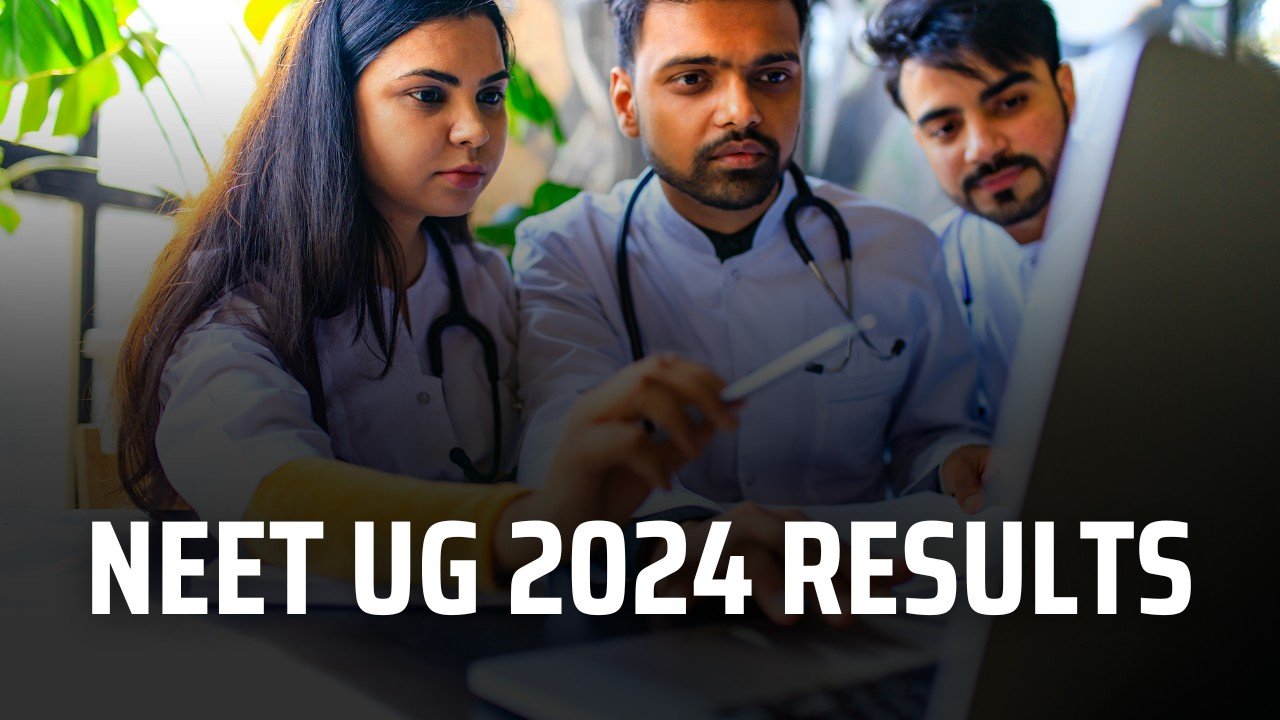






Supreme Court: The National Eligibility cum Entrance Test for Undergraduates (NEET-UG) serves as a pivotal examination in India’s medical education system. Established to standardize the admission process for prospective medical and dental students across the country, NEET-UG plays a crucial role in ensuring that only the most qualified candidates are admitted to reputable institutions. The examination not only assesses the knowledge of students in core subjects like Physics, Chemistry, and Biology, but it also reflects their ability to perform under pressure, a vital skill in the healthcare field.
NEET-UG emerged from the need for a centralized examination that would help mitigate the discrepancies in various entrance tests administered by different states and colleges. Initially introduced in 2013, it aimed to eliminate the various challenges faced by candidates and institutions, including varying syllabi and evaluation methods. Today, it has become synonymous with the pursuit of medical education in India, serving as the gateway for countless aspirants seeking to fulfill their dreams of becoming doctors and dentists. The significance of NEET-UG extends beyond mere academic assessments; it fosters a sense of uniformity and transparency in the admission process, addressing the complexities and confusion that previously existed.
However, the NEET-UG examination is not without its challenges. Students often face immense pressure during preparation, as the competition is fierce, with a large number of candidates vying for limited seats in prestigious medical institutions. Additionally, numerous critiques have been raised regarding the examination’s perceived difficulty, the coaching culture it has cultivated, and the accessibility issues faced by rural aspirants. As the Supreme Court has recently granted the expert panel additional time to report on necessary reforms, it underscores the importance of reevaluating the current framework of NEET-UG. The future of medical admissions in India rests significantly on the outcomes of these reforms, ensuring that the system evolves to meet the needs of all future medical professionals.
Supreme Court Involvement and Expert Panel Formation
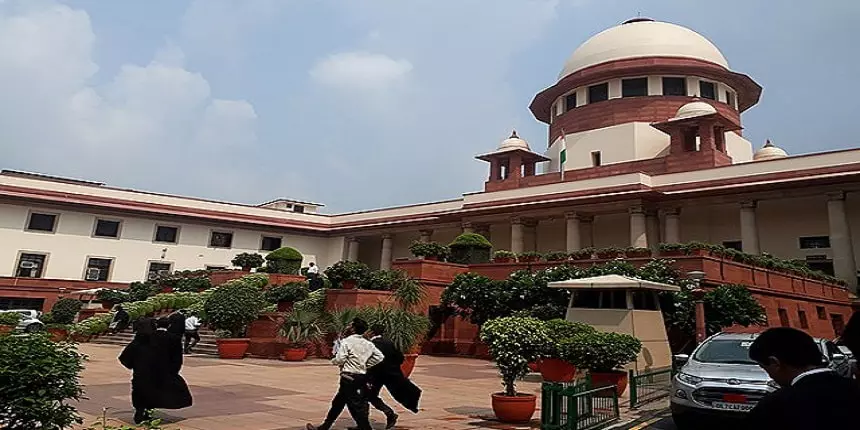
In recent developments regarding the National Eligibility cum Entrance Test for Undergraduates (NEET-UG), the Supreme Court of India has taken significant steps to address the ongoing challenges surrounding the examination. The Court’s involvement stems from persistent concerns about the integrity and efficacy of the NEET-UG process, which is crucial for students aspiring to enter medical colleges across the nation. Recognizing the need for comprehensive reform, the Supreme Court appointed an expert panel tasked with evaluating and proposing changes to the NEET-UG framework.
The decision to form this expert panel reflects a concerted effort by the judiciary to ensure that the examination process is fair, transparent, and efficient. Several factors prompted the Supreme Court to take action, including widespread criticism of the current examination pattern, allegations of malpractices, and discrepancies in the assessment methods. Given the pivotal role that NEET-UG plays in determining medical admissions, the need for reforms has become increasingly pressing.

Prior to the Supreme Court’s recent ruling, there were discussions among various stakeholders, including educational authorities, parents, and student groups, regarding the fairness of the NEET-UG process. The Court had previously issued directives to address issues related to examination management, but the persistence of these challenges necessitated further intervention. Appointing an expert panel signifies the Court’s commitment to addressing these issues with the input of knowledgeable professionals who can provide unbiased recommendations.
As the panel embarks on its mandate, it will consider a range of factors, including the assessment criteria, the conduct of examinations, and the overall impact of NEET-UG on students’ academic journeys. The additional time granted by the Supreme Court for the submission of this report illustrates the complexity involved in reforming such a significant aspect of India’s medical education system.
Extension of Deadline: Supreme Court
The Supreme Court’s recent decision to grant the expert panel an additional two weeks for submitting its report on the NEET-UG reforms has generated significant discussions among various stakeholders. This extension serves as a critical juncture for students, educational institutions, and policymakers who are awaiting crucial changes in the National Eligibility cum Entrance Test for Undergraduate programs. The implications of this deadline extension are multifaceted, influencing not only the timeline of the reforms but also the broader educational landscape.
For students, the uncertainty surrounding the NEET-UG reforms is paramount. An additional two weeks may afford the expert panel the necessary time to engage in comprehensive discussions, ensuring a thorough analysis of proposed changes. This extended period could allow for the incorporation of diverse perspectives, potentially leading to a more favorable outcome for aspirants. However, it also prolongs the state of limbo that students currently face, as they prepare for a competitive examination in an evolving context.
Educational institutions are notably affected as well. The timeline for implementing reforms may disrupt academic calendars or impact existing admission processes. School administrators and faculty members are keenly aware that changes to NEET-UG may require recalibrating curriculums or admission strategies. The wait for the panel’s report could lead to a reactive approach, hindering long-term planning and complicating the educational framework.
Reactions from stakeholders, including student bodies and educational leaders, underscore a widespread desire for careful and deliberate evaluation of the reforms. Legal experts have emphasized the importance of ensuring that the modifications reflect not only regulatory compliance but also educational equity. As the expert panel delves into these considerations, the extension may ultimately facilitate a more robust framework for NEET-UG, addressing the concerns of all parties involved.
Looking Ahead: Future of NEET-UG and Expected Changes
The National Eligibility cum Entrance Test for Undergraduates (NEET-UG) has been a critical aspect of medical admissions in India. With the Supreme Court granting an extension for the expert panel to submit recommendations on reforms, stakeholders are keenly anticipating transformative changes. These reforms are expected to address various concerns surrounding the NEET-UG process and enhance educational standards within the country’s medical landscape.
One potential change may involve revising the examination structure. The introduction of a more holistic assessment approach could better evaluate students’ aptitude and critical thinking abilities, moving beyond rote memorization techniques. Such alterations might lead to a more robust evaluation that truly reflects a candidate’s readiness for medical education and practice. Additionally, there is speculation about incorporating continuous assessment mechanisms, which would enable students to receive timely feedback, allowing for improvements throughout their academic journey.
The anticipated reforms could significantly impact the admission process by promoting inclusivity and reducing the overwhelming pressure faced by aspirants. Efforts may be directed towards ensuring equitable access to resources, thereby leveling the playing field for students from diverse backgrounds. Moreover, optimizing the admissions process is likely to yield candidates who are not only academically proficient but also committed to the healthcare profession’s ethical and practical responsibilities.
The implementation of these changes could enhance the quality of medical education in India, producing more competent healthcare professionals. A keen focus on continuous improvement through monitoring and feedback can also provide assurance that reforms remain relevant and effective. Overall, the future of NEET-UG, shaped by the expert panel’s insights, has the potential to create a more dynamic, fair, and higher quality medical education landscape, ultimately benefiting both students and the healthcare system at large.