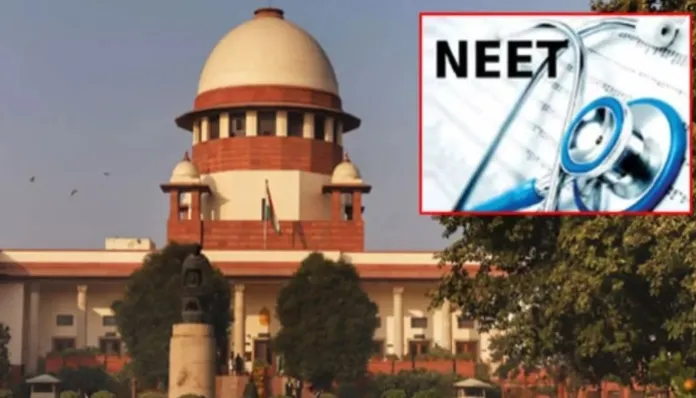






NEET-UG The recent leak of the NEET-UG examination paper has had devastating repercussions, culminating in the tragic decision made by an 18-year-old student. This incident not only highlights the growing concern surrounding examination integrity but also sheds light on the profound emotional impact such crises can have on young individuals and their families. The young student, who had dedicated years of preparation and sacrifice in pursuit of a medical career, found himself overwhelmed by the immense pressures following the paper leak.
In the days leading up to this heartbreaking event, the student exhibited heightened stress and anxiety, common reactions among many candidates grappling with academic pressures. The knowledge that his hard work might be overshadowed by allegations of cheating and unfair advantage created an unbearable emotional burden. Tragically, this culminated in the decision to end his own life, an action that reflects the dire consequences of systemic failures in our education system.
From the father’s perspective, the loss of his son is not only a personal tragedy but also a profound commentary on the societal pressures faced by students today. He expressed deep sorrow and frustration over the circumstances that led to his son’s distress. The father’s grief is compounded by feelings of helplessness and anger towards the systems that should protect and support students, rather than expose them to such overwhelming stress. The story of this young man serves as a stark reminder of the need for robust measures to ensure the integrity of examinations and the mental well-being of the students involved.
This devastating incident underlines the far-reaching implications of the NEET-UG paper leak, revealing the urgent need for reforms in education policies to safeguard both academic integrity and student mental health.
Understanding the NEET-UG Examination System
The National Eligibility cum Entrance Test for Undergraduates (NEET-UG) is a pivotal examination in India, serving as the primary pathway for students aspiring to enter the medical and dental fields. Established to streamline the admissions process across various state and private colleges, NEET-UG ensures a standardized assessment for medical aspirants. Each year, millions of students participate in this highly competitive examination, which tests their knowledge in subjects such as Physics, Chemistry, and Biology.
In the Indian education landscape, NEET-UG is not merely an examination but a significant milestone for many high school graduates. The scores obtained in this exam are crucial, often determining the academic and professional trajectories of students. For those seeking to pursue a career in medicine, the pressure to perform well is immense. This stress is exacerbated by societal expectations, parental pressure, and the looming uncertainty of future opportunities. Given the traditional value placed on careers in medicine within Indian culture, the stakes associated with this examination are exceedingly high.
However, the integrity of the NEET-UG examination is threatened by instances of paper leaks. Such leaks can have dire consequences for students, undermining their hard work and efforts. When examination papers are compromised, it not only leads to unfair advantages but also diminishes the credibility of the assessment. Additionally, these incidents can severely impact the mental health of students, who may already be facing high levels of anxiety and pressure surrounding their future. The repercussions of such breaches can transform a high-stakes environment into one filled with uncertainty and fear, ultimately hindering the aspirations of countless young individuals.
The Consequences of Paper Leaks on Students’ Mental Health
The occurrence of exam paper leaks has increasingly accentuated the pressures faced by students in India, significantly impacting their mental health. For many students, preparing for examinations is already a daunting task, marked by high expectations from parents, educators, and peers. When these pressures are compounded by the possibility of unfair advantages gained through leaked papers, it can lead to heightened anxiety and stress levels among candidates.
The immediate impact of such leaks is often a sense of futility and distress among students. As they grapple with the realization that their hard work might not translate into fair results, feelings of hopelessness can set in. The stigma surrounding mental health issues, especially in India, further complicates these dynamics. Many students may struggle silently with stress, anxiety, and depression, fearing the societal judgment that accompanies any acknowledgment of their struggles.
Moreover, the environment during exam seasons is already laden with pressure, as students face the dual burden of performance expectations and the looming threat of paper leaks. It is imperative to recognize that these incidents can lead to long-term psychological effects, including chronic anxiety disorders and a pervasive sense of inadequacy. In order to mitigate these impacts, supportive measures are essential. Schools and educational institutions must cultivate an environment that prioritizes mental health, offering counseling services and stress-relief activities.
Additionally, incorporating mental wellness education into the academic curriculum can provide students with crucial coping mechanisms. This proactive approach not only aids in alleviating the stress during critical examination periods but also fosters a culture where mental well-being is prioritized. By addressing the implications of exam paper leaks on students’ mental health, we initiate a vital conversation about the need for comprehensive support systems that empower students to navigate these challenges effectively.
Investigative Actions and the Need for Change
The recent NEET-UG paper leak incident has prompted immediate and comprehensive investigative actions by law enforcement agencies. The police have initiated a thorough examination of the circumstances surrounding the leak, analyzing how confidential materials became accessible to individuals prior to the examination date. Such investigations typically seek to identify those responsible for the breach as well as any possible accomplices involved. This ensures that liable parties face consequences and serves as a deterrent against future occurrences.
Alongside these investigations, there exists a broader call for reform in the security measures surrounding educational assessments. Educational institutions and governing bodies must recognize the critical nature of exam integrity, as any lapse can lead to devastating outcomes, as seen in this tragic case. Implementing advanced technological solutions, such as biometric verification and encrypted data transmissions, may significantly reduce the likelihood of similar breaches. Furthermore, regular audits and updates to examination protocols can enhance the overall security framework.
In addition to focusing on exam security, there is an essential need to promote mental health awareness within educational settings. For students who face immense pressure during entrance examinations, access to mental health resources is vital. Schools and colleges should integrate mental health education into their curricula and provide support services that empower students to cope with academic stress. This includes implementing strategies that foster resilience and self-esteem, making it easier for students to handle adversity without resorting to extreme measures.
Community involvement also plays an instrumental role in supporting students during these critical times. Parents, educators, and peers must work collaboratively to create an environment that prioritizes academic integrity while nurturing mental well-being. By addressing both systemic flaws and support mechanisms, society can take significant strides toward preventing such tragedies in the future, ensuring that the loss of young lives does not recur as a result of negligence in these areas.