



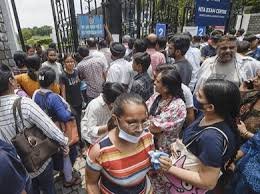
NEET The National Eligibility cum Entrance Test (NEET) serves as a pivotal examination for aspiring medical students in India. Conducted by the National Testing Agency (NTA), NEET enables candidates to seek admission into various undergraduate medical programs, including MBBS and BDS, across numerous government and private institutions. Given the competitive nature of medical education, NEET has evolved into a significant milestone for students aiming to pursue careers in medicine.
The importance of NEET lies not only in its role as a gateway to medical colleges but also in ensuring a standardized assessment of knowledge among students. The exam evaluates candidates on their grasp of subjects like Biology, Chemistry, and Physics, which are fundamental to the medical profession. Furthermore, the structured format of NEET promotes a level playing field, as it uniformizes the evaluation criteria, thus facilitating a fair selection process. This ensures that students gain admission based on merit, rather than differing assessment standards from various boards or institutions.
In essence, NEET is vital for maintaining the integrity of the medical education system in India. It aids in identifying the most capable candidates, thereby contributing to the overall quality of healthcare professionals entering the field. With the increasing demand for qualified medical practitioners, the role of NEET has become more pronounced, as it directly influences the future of medical education and the healthcare landscape in the country. This highlights the examination’s relevance not merely as a test but as a crucial component in the larger context of healthcare and medical professionalism within India.
Overview of the NEET Paper Leak Incident
The National Eligibility cum Entrance Test (NEET) has recently come under scrutiny due to a significant paper leak incident that has raised concerns across the educational landscape in India. On October 1, 2023, it was reported that certain individuals allegedly obtained and disseminated the question papers prior to the examination date. This breach not only undermines the integrity of the assessment but also poses serious ramifications for the future of students vying for admission to medical colleges.
The leak was uncovered when discrepancies were observed in the examination patterns, with several candidates reporting that they had encountered identical questions on various online platforms during their preparation. It was revealed that the source of the leak might have originated from individuals working in the vicinity of the National Testing Agency (NTA), which is responsible for conducting the NEET exam. This alarming situation sparked outrage among students, educators, and parents alike, leading to widespread calls for accountability and reform within the examination system.
The implications of this incident are profound, potentially eroding public trust in the fairness of the medical entrance examination process. Students who have prepared diligently for the test may feel disillusioned, fearing that their hard work could be overshadowed by the actions of a few malfeasants. Education experts have expressed concerns that such incidents can lead to an increase in malpractice, adversely affecting the quality of medical education in India.
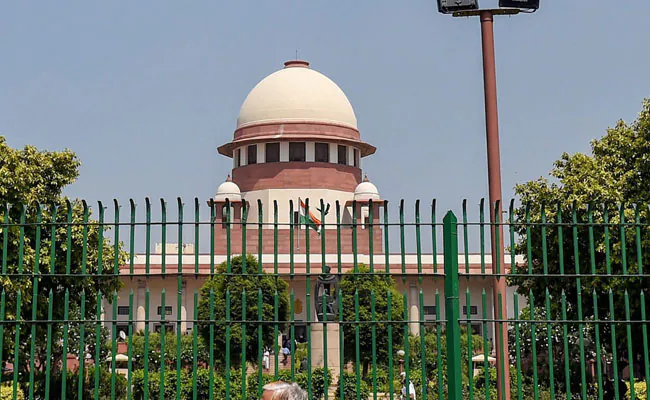
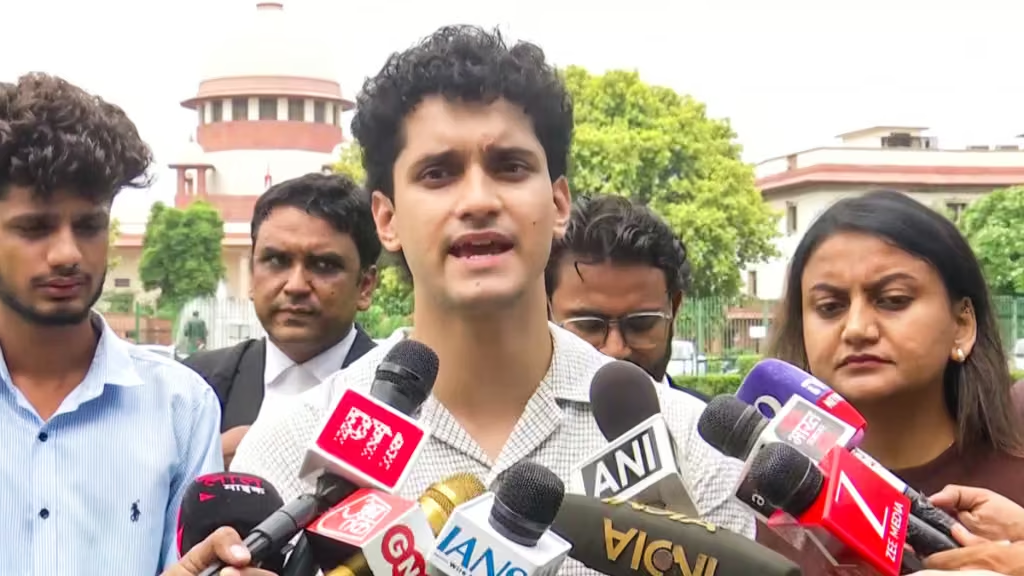
In response to the gravity of the situation, the Supreme Court has sought clarification from the Centre and NTA, emphasizing the necessity for a thorough investigation to ascertain the circumstances surrounding this incident. The outcome of this investigation will not only determine the accountability of those responsible but will also dictate future measures to safeguard the integrity of NEET and similar examinations.
Supreme Court’s Response and Call for Accountability
The Supreme Court of India has recently addressed the issue of the NEET paper leak, expressing its profound disappointment with the government and the National Testing Agency (NTA). The Court’s remarks underscore a persistent concern that these institutions have failed to learn from previous incidents, thus raising critical questions about their accountability and operational integrity. The NEET exam, which is pivotal for students seeking admission to medical colleges, must be insulated from any malpractices that could undermine its sanctity.
In its remarks, the Court highlighted the necessity for stringent measures to ensure the security of examination processes. The repetition of such incidents not only jeopardizes the futures of countless students but also diminishes public confidence in the integrity of the examination itself. The Supreme Court’s call for a detailed response from the Centre and the NTA is a step towards demanding accountability and rectifying systemic shortcomings. This demand represents not merely an administrative response but a clarion call for reform within the organizations entrusted with conducting high-stakes examinations.
The implications of the Court’s demand are significant. Both the Centre and the NTA are under pressure to provide a robust explanation of their contingency plans to prevent further occurrences of examination malpractices. Stakeholders, including students, parents, and educational institutions, will be watching closely to see if the requisite changes will be implemented swiftly and effectively. As the situation unfolds, it becomes apparent that any lack of timely and adequate response could have far-reaching consequences, potentially inviting further judicial scrutiny.
The Supreme Court’s intervention may be pivotal in stimulating reforms that could avert future controversies in the educational management landscape, reinforcing the need for vigilance in safeguarding the interests of aspiring medical professionals.
Lessons Learned and Future Steps for the Education Sector
The NEET paper leak incident serves as a pivotal moment for the education sector, highlighting the critical need for enhanced security and integrity in competitive examinations. This breach not only undermines the efforts of honest candidates but also raises questions regarding the accountability of the authorities involved in administering these exams. Drawing from this incident, several key lessons can be outlined to guide future actions.
Firstly, implementing robust security measures is imperative. Examination bodies must invest in advanced technology, such as biometric verification and encryption, to ensure that exam papers remain confidential until the designated examination time. Additionally, a comprehensive review of the entire examination process should be conducted, identifying any potential vulnerabilities that could be exploited by malicious actors.
Secondly, transparency is crucial in maintaining public trust. Stakeholders, including students and parents, must be assured that stringent measures are in place to secure the examination process. Regular audits and open communication regarding security protocols can help in reassuring stakeholders of their integrity. Furthermore, establishing an independent oversight committee can ensure that any discrepancies are addressed promptly and objectively.
Finally, educational institutions should enhance their internal protocols regarding the handling of examination materials. Comprehensive training for staff involved in the examination process is essential to ensure they understand the gravity of their roles. After all, safeguarding the integrity of the examination environment is a shared responsibility among all parties involved.
In conclusion, the NEET paper leak incident underscores the urgent need for reform within the education sector. By embracing robust security measures, promoting transparency, and strengthening protocols, we can work towards restoring faith in competitive examination systems and preventing similar occurrences in the future.