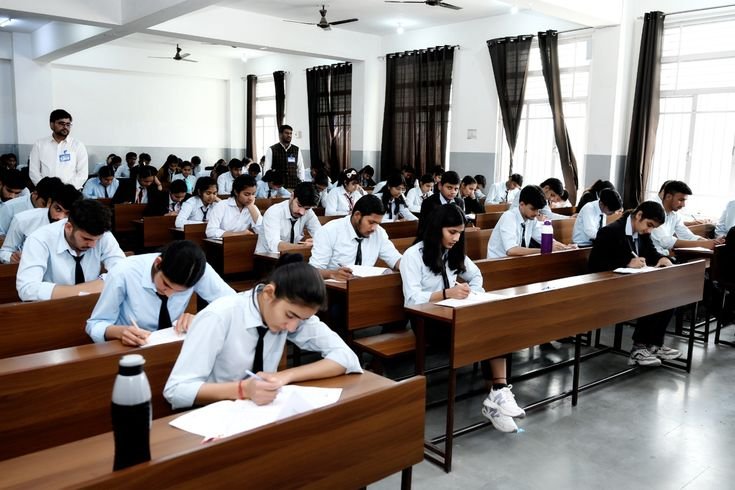







The National Eligibility cum Entrance Test for undergraduate programs, commonly referred to as NEET UG, is a pivotal examination in India that plays a crucial role in the admission process for various medical colleges across the country. As the sole entrance test for aspiring medical students seeking to enroll in undergraduate programs in India, NEET UG has significant implications for students’ futures, impacting their access to higher education in medicine and dentistry.
NEET UG was first conducted in 2013, replacing the various state-level and national-level entrance exams that were previously in place. The evolution of NEET UG has been marked by its transition from a common entrance test into a standardized assessment that aims to maintain a level playing field for students, irrespective of their educational backgrounds. The test has undergone several changes in terms of structure, syllabus, and eligibility criteria, reflecting the ongoing efforts to enhance its relevance and effectiveness in selecting suitable candidates for medical education.
The current format of NEET UG consists of multiple-choice questions covering subjects such as Physics, Chemistry, and Biology, with an emphasis on concepts and application of knowledge. Students are allotted a fixed timeframe to complete the examination, which is administered once a year, creating a highly competitive environment. Despite its intentions, NEET UG has faced various challenges, including difficulties in accessibility for students from diverse backgrounds, disparities in coaching opportunities, and the immense pressure it places on candidates. These challenges highlight the need for continuous examination reforms and alternative options to better cater to the needs of aspiring medical professionals.
ABVP’s Proposed Reforms
The Akhil Bharatiya Vidyarthi Parishad (ABVP), a prominent student organization, has presented a comprehensive proposal to the Nilekani panel aimed at reforming the National Eligibility cum Entrance Test (NEET UG). One of the central components of their proposal is the introduction of a two-stage examination format. This innovative approach is designed to alleviate the pressures currently faced by students while enhancing the overall quality of the examination process.
Under the proposed two-stage format, students would first undertake a preliminary examination, which would serve as a screening tool to assess basic competencies. Successful candidates from this stage would then proceed to a more rigorous final examination, enabling a thorough evaluation of their understanding and application of critical concepts. This bifurcation is expected to not only reduce the cognitive load on examinees but also provide an equitable platform for students from diverse educational backgrounds.
In addition to this structural change, the ABVP has advocated for the conduct of the NEET UG examinations on a biannual basis. This recommendation stems from the belief that multiple opportunities for assessment will enhance the prospect of student success. It will reduce the severe anxiety and pressure typically associated with high-stakes entrance exams, allowing students the flexibility to attempt the test at a time when they feel adequately prepared.
The rationale behind these reforms is rooted in the desire to create a more student-friendly examination environment, which ultimately fosters better performance among candidates. By breaking the examination into two stages and offering more frequent testing opportunities, the ABVP aims to facilitate a more thorough understanding of the subject matter, encouraging students to engage deeply with their studies. The intended impact of these changes is to not only improve student morale but also to enhance the quality of future medical professionals.
Potential Benefits of a Two-Stage Exam System
The proposal by the Akhil Bharatiya Vidyarthi Parishad (ABVP) to implement a two-stage examination system for NEET UG brings forth several significant advantages. One of the primary benefits is the reduction of stress experienced by students during the preparation phase. A two-stage format allows candidates to initially focus on a preliminary assessment, which can serve as a diagnostic tool to identify their strengths and weaknesses. This can be particularly beneficial, as it empowers students to approach their studies more strategically, knowing they have a second opportunity to demonstrate their knowledge and skills.
Another considerable advantage of this approach is the enhancement of preparation time for candidates. With a structured two-step exam system, students are afforded the time necessary to improve their understanding of core subjects based on the feedback received after the first assessment. This feedback loops back into their preparation efforts, creating a more informed and tailored study regimen. As a result, candidates may find themselves better equipped to tackle the challenges presented in the second stage, ultimately reflecting a deeper comprehension of the syllabus.
Moreover, the implementation of such a system could lead to a higher qualification rate among candidates aspiring to enter medical studies. By providing a safety net through the first stage, students may be more motivated to attempt the examination without the fear of a singular high-stakes test determining their future. Globally, several countries have adopted similar multi-tiered approaches to entrance examinations with promising outcomes. For instance, the United States has a step-by-step testing system that allows students to retake exams, thus fostering an environment conducive to learning and excellence.
In essence, a two-stage examination could pave the way for a more compassionate and effective evaluation process, potentially increasing the number of qualified candidates pursuing medical education while also alleviating the intense pressure associated with single-exams.
Challenges and Concerns Regarding the Proposal
The proposal put forth by the Akhil Bharatiya Vidyarthi Parishad (ABVP) regarding the revamping of the National Eligibility cum Entrance Test (NEET) Undergraduate (UG) exam has sparked a debate among various stakeholders, including educational experts, students, and regulatory bodies. Key concerns surrounding this proposal encompass logistical challenges, fairness of the examination process, and the potential repercussions on the overall education system.
One major logistical issue relates to the implementation of the proposed changes. Educational institutions and examination authorities may struggle to adapt to new formats or criteria, especially in terms of resource allocation and training personnel. This challenge could lead to inconsistencies in the examination process, potentially undermining the integrity of the NEET exam.
Another significant concern is the principle of fairness in the testing process. Stakeholders argue that the proposed reforms might disproportionately impact certain groups of students, particularly those from disadvantaged backgrounds. Adjusting the examination structure could inadvertently create barriers for these students, limiting their opportunities for success. It is crucial for reform proposals to ensure equitable access to educational resources and support systems.
Moreover, many experts caution against overlooking the broader implications of the ABVP’s suggestions on the education system. Drastic changes could disrupt the established equilibrium among various educational metrics and standards. Such disruptions may affect both current and future cohorts of students, raising concerns about the overall viability of medical education in the country.
In light of these challenges, it is evident that while the ABVP’s proposal aims to enhance the NEET UG examination, careful consideration of its potential drawbacks and stakeholder perspectives is essential. The dialogue surrounding these reforms must involve comprehensive discussions to ensure that the interests of all affected parties are adequately represented, ultimately resulting in a fair and effective examination system.