





NEET-UG 2026 The National Eligibility cum Entrance Test (NEET) is a crucial examination in the Indian education system, primarily for those aspiring to pursue undergraduate medical education. Conducted annually, NEET serves as the gateway for students seeking admission to medical colleges across India. The significance of this examination cannot be overstated, as it plays a vital role in determining the future of countless medical aspirants. Each year, millions of students prepare rigorously for this one-day test, hoping to secure a place in a reputable medical institution.
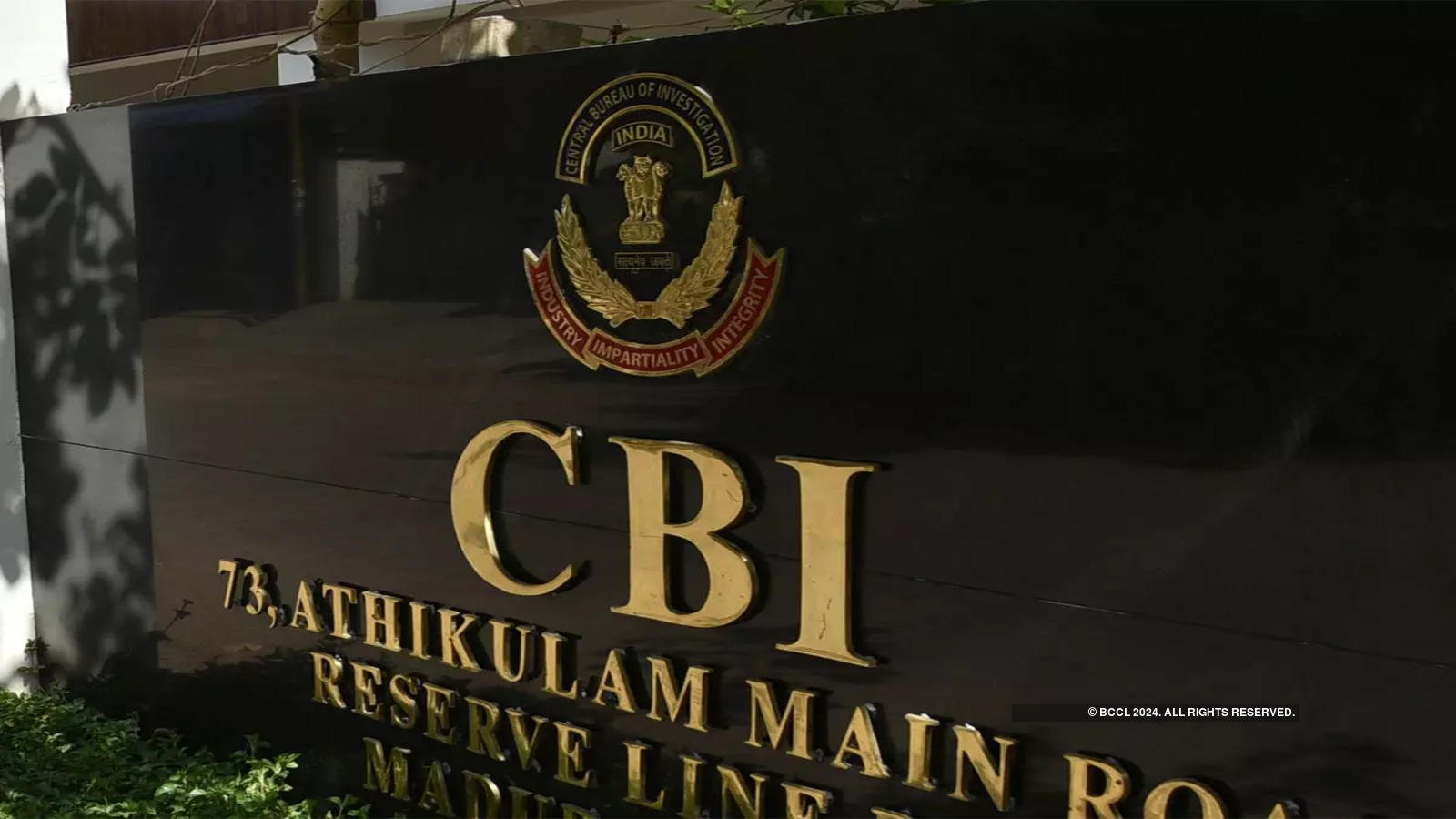
However, the integrity of NEET-UG 2026 has come under scrutiny due to alarming incidents of examination leaks. Recent developments have brought to light allegations of irregularities associated with the examination process, raising serious concerns among stakeholders. The Central Bureau of Investigation (CBI) has been enlisted to delve into these allegations, investigating potential malpractices that could undermine the credibility of the examination.
The incident in question has garnered significant media and public attention, as it challenges the perceived sanctity of the examination system. Reports suggest that sensitive materials, including question papers, were leaked prior to the test, potentially influencing the examination results. This situation has led to widespread outrage, with experts advocating for stringent measures to uphold the standards of examination integrity.
The implications of these leaks are profound, not only for the immediate stakeholders but also for the long-term trust in the medical education framework in India. As investigations progress, the role of the CBI in unveiling the truth will be pivotal in restoring faith among students and parents who have invested immense resources in preparing for NEET-UG 2026. Addressing this issue is essential to ensure that aspiring medical professionals can pursue their dreams in a fair and just environment.
Details of the Leak and Investigation by CBI
The recent NEET-UG 2026 case has unfolded a troubling narrative concerning the leak of critical examination materials. The leak reportedly included a substantial amount of confidential information, such as question papers and answer keys, which were systematically distributed to select individuals prior to the examination date. This dissemination was allegedly orchestrated by a group comprising both teachers and private coaching center representatives. Investigations have indicated that these individuals utilized their positions of trust within educational establishments to facilitate the breach of protocol, thereby undermining the integrity of the NEET-UG examination.
Upon discovering the irregularities, the Central Bureau of Investigation (CBI) swiftly initiated a formal investigation. The first steps included gathering evidence from various educational institutions, where several teachers were interrogated regarding their involvement in the leak. This evidence collection extended to the analysis of communication records and financial transactions, which pointed towards potential collusion. In a series of coordinated operations, the CBI made arrests of key individuals believed to be the ringleaders of the operation, further illuminating the extent of the scam.
During the investigation, the CBI encountered several challenges, including attempts to obstruct their efforts. Some individuals involved in the case reportedly tried to sabotage the inquiry by providing false information, creating a complex web of deceit that prolonged the investigation process. Public response has been overwhelmingly critical of the involved parties, with calls for stricter regulations to preserve the sanctity of educational assessments. As this investigation continues, both authorities and the public remain vigilant, eager for accountability and reforms that may prevent future breaches of this nature.
Impact on Students and Educational Integrity
The NEET-UG 2026 case has raised significant concerns regarding the integrity of the examination system in India and its subsequent impact on students preparing for competitive exams. Numerous students, who dedicate years to their studies, may find their trust in the examination process severely shaken by incidents associated with exam leaks involving teachers. Such occurrences can lead to a pervasive feeling of disillusionment, as students question the fairness of the system that is meant to assess their abilities impartially.
As future medical aspirants face these challenges, their academic decisions may become clouded by doubt about the legitimacy of their efforts versus the possibility of unethical advantages obtained by others. The psychological implications of these events cannot be underestimated; students who feel that their hard work is undermined by systemic flaws may experience increased anxiety and stress. This distrust in the examination process can deter students from fully engaging in their preparation, ultimately affecting their performance and future aspirations.
Moreover, the integrity of educational institutions comes into question when such scandals arise. Schools and coaching centers that are implicated in these leaks risk their reputation, which can have lasting effects on their credibility. The reputation of educational systems relies heavily on perceived fairness and transparency. As incidents like these emerge, they can lead to a decline in students’ readiness to invest their time and resources in a system that seems compromised. Educational stakeholders are thereby faced with the critical task of restoring confidence in their institutions, which requires rigorous measures to enhance transparency and accountability.
Ultimately, the consequences of such a case extend beyond immediate distrust; they threaten the foundational principles of meritocracy and equity in education, which are essential for the holistic development of students and the integrity of the overall academic environment.
Future Implications and Reform Proposals
In the wake of the NEET-UG 2026 examination scandal, it is imperative to assess the future implications on educational assessments as well as propose reforms aimed at safeguarding the integrity of such processes. The incident has cast a shadow on the reliability of one of India’s most crucial medical entrance examinations, highlighting significant vulnerabilities that necessitate immediate attention.
To begin with, enhancing the security of examination processes should be a priority. This could involve implementing advanced technological solutions such as biometric verification and AI-based monitoring systems. These measures can effectively deter cheating and unauthorized access to sensitive examination materials, thereby reinforcing the credibility of the examination. It is also vital to develop a more stringent protocol for handling examination papers, ensuring that they are secured in tamper-proof conditions until they are distributed during the test.
Increasing transparency in the grading and evaluation processes is another essential reform. By making the criteria and processes clear to all stakeholders, including students, educators, and parents, trust in the examination system could be significantly bolstered. It would be beneficial to establish an independent review committee to oversee examinations and address grievances, further promoting fairness and accountability.
Accountability for those who compromise educational integrity cannot be overstated. The educational authorities and the CBI should ensure strict disciplinary actions against individuals involved in leaking examination material, which would serve as a deterrent to future malpractices. Establishing a clear framework for consequences based on the severity of infractions would send a strong message that educational integrity is paramount.
Ultimately, the trust in educational assessments is vital for maintaining the quality of education. Steps taken to improve security, transparency, and accountability will not only help prevent similar incidents in the future but also restore confidence in examination systems across the country.