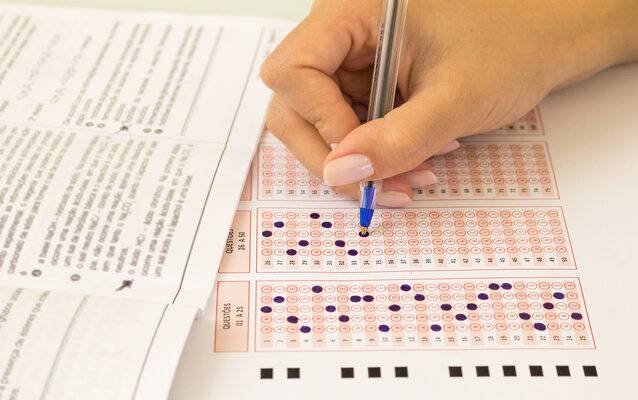




Leaked NEET Papers The National Eligibility cum Entrance Test (NEET) serves as a pivotal examination in India, primarily determining eligibility for undergraduate medical courses across various institutions. With a robust candidate pool each year, it is a cornerstone for aspiring medical professionals, shaping the future of healthcare in the country. The significance of NEET extends to ensuring that only those with the requisite knowledge and skills gain entry into medical programs, thereby maintaining professionalism and competence within the field.
However, the integrity of this crucial examination was recently compromised due to a severe incident involving the leakage of NEET papers in Maharashtra. Details surfaced indicating that the examination papers were allegedly leaked prior to the event, raising significant concerns regarding the fairness of the examination process. This breach not only undermines the trust placed in educational systems but also casts doubt on the capabilities of institutions designed to uphold examination integrity.
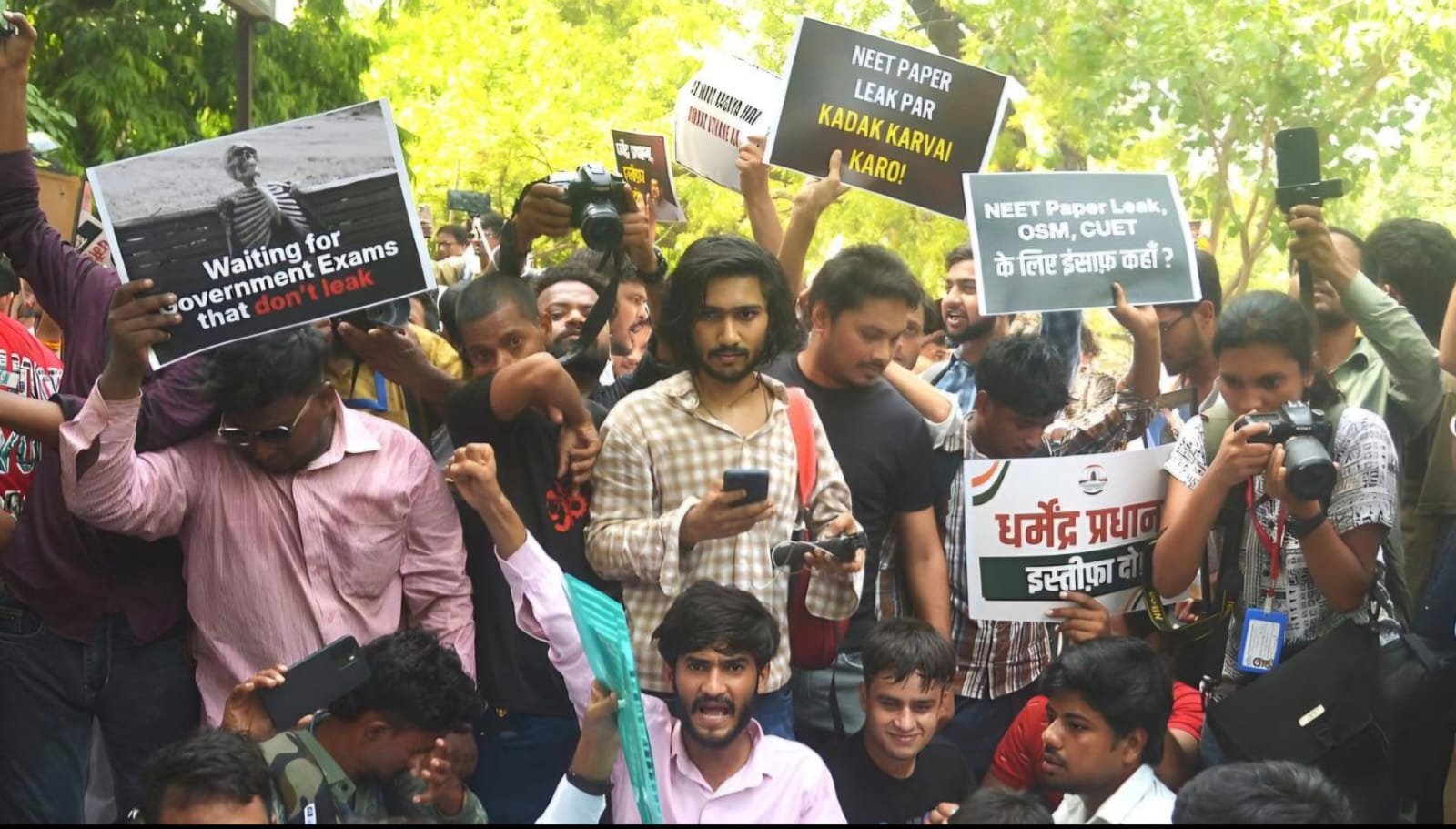
The news of the NEET paper leak ignited immediate reactions from students, many of whom expressed their distress on various platforms. The uncertainty caused by such unethical practices has fueled anxiety regarding results and fairness. Student groups demanded transparent investigations and stricter measures to ensure such incidents do not recur. Meanwhile, educational authorities recognized the gravity of the situation and have since initiated inquiries into the matter.
As the CBI (Central Bureau of Investigation) pursues its probe into the NEET paper leak scandal, the focus remains not only on the perpetrators but also on the broader implications this incident holds for the NEET examination process and its integrity. Consequently, the outcomes of this investigation could lead to reformed strategies ensuring that future examinations remain secure and credible.
The Routes of the Leaked Papers: Uncovering the Scandal
The recent CBI investigation into the leaked NEET papers in Maharashtra has unveiled two primary routes through which these malicious breaches occurred. The first route involved the alleged insider trading of examination materials, where individuals associated with the organization responsible for the conduct of the NEET examination were implicated. Reports suggest that some employees either intentionally facilitated the leaks or turned a blind eye to the unethical practices taking place, thus creating a corrupt ecosystem. Their motives appear to have stemmed from monetary gains, which raises questions about the integrity of the examination process.
The second route points toward the role of unauthorized coaching institutes and their personnel, who allegedly colluded with disgruntled insiders to procure these exam papers. These institutes, seeking to enhance their marketability and success rates among their students, may have resorted to this scheme as a means of guaranteeing higher scores and admission success. The cooperation among various stakeholders, including these private institutions and certain officials, has highlighted a complicated web of exchanges that compromise the very essence of competitive examinations.
The ramifications of these leaks are significant, not only for the students whose futures hinge on fair examinations, but also for the integrity of the educational system as a whole. Such breaches erode trust among aspirants and potentially deter honest candidates from pursuing their academic endeavors. The fallout from this scandal underscores the necessity for stringent measures and regulatory reforms within the examination framework to prevent future occurrences of such unethical practices.
CBI’s Involvement and Investigation Progress
The Central Bureau of Investigation (CBI) has taken a pivotal role in addressing the NEET paper leak scandal that has shaken the educational landscape in Maharashtra. Upon receiving credible leads related to the leak, the CBI commenced its operation, establishing a dedicated task force aimed at uncovering the truth behind this unsettling occurrence. The investigation commenced with a series of thorough interrogations of individuals involved, including educational officials, students, and various accused parties. These interrogations are designed to gather critical information that may lead to the identification of those culpable in orchestrating the leakage.
As part of the investigation, the CBI has undertaken multiple operations to seize evidence. This includes confiscating electronic devices, files, and other materials that could hold significant value in piecing together the intricate web of the scandal. The forensic analysis of these items is expected to play a crucial role in illuminating the methods and networks employed by those involved in the leak.
Despite the progress made, the CBI has faced notable challenges throughout the investigation. Given the complexity of the case and the potential involvement of high-profile individuals, issues of jurisdiction and coordination with state authorities proved to be impediments. Moreover, the acquisition of concrete evidence requires meticulous planning and execution, as the investigation aims to ensure that accountability is maintained without compromising the integrity of the legal process.
The need for transparency and accountability is of utmost importance in this case, as it not only impacts the affected students but also calls into question the credibility of the examination system in India. It is imperative that the investigation leads to appropriate actions against those who exploit the system for personal gain, ensuring that such incidents do not recur in the future.
Impact on Students and Future of NEET Examinations
The recent scandal surrounding the leaked NEET papers l in Maharashtra has cast a significant shadow on the examination process and its integrity. For many students, the sentiment following these revelations has been one of disillusionment. Students who invested years of hard work and dedication in preparing for the NEET are now grappling with feelings of frustration and mistrust toward a system that is supposed to uphold fairness and transparency. This leakage not only affects their confidence but also raises questions about the reliability of future examinations.
The implications of the leaked papers extend beyond immediate student frustrations. The credibility of NEET as a standardized examination for aspiring medical professionals is now in jeopardy. Trust in the examination system is crucial for its successful implementation. The perception that the exam can be compromised due to unethical practices might discourage future candidates from pursuing careers in medicine altogether. This could lead to a shortage of qualified medical professionals in the long run, which is concerning for the healthcare sector.
In light of these events, it is essential to discuss potential reforms that could strengthen the NEET examination process. Implementing stricter measures regarding the handling of examination materials is critical. Enhanced surveillance, better training for staff involved in the administration, and the introduction of technology to secure exam interfaces can mitigate the risk of future leaks. Additionally, encouraging a culture of integrity among students and professionals alike is vital in fostering trust in the examination system.
Ultimately, the NEET scandal serves as a wake-up call to authorities and stakeholders to rethink how medical entrance examinations are conducted. Addressing these concerns effectively could pave the way for reforms that not only restore confidence among students but also enhance the overall integrity of the examination system.