




Introduction to Delhi’s English-Medium Schools
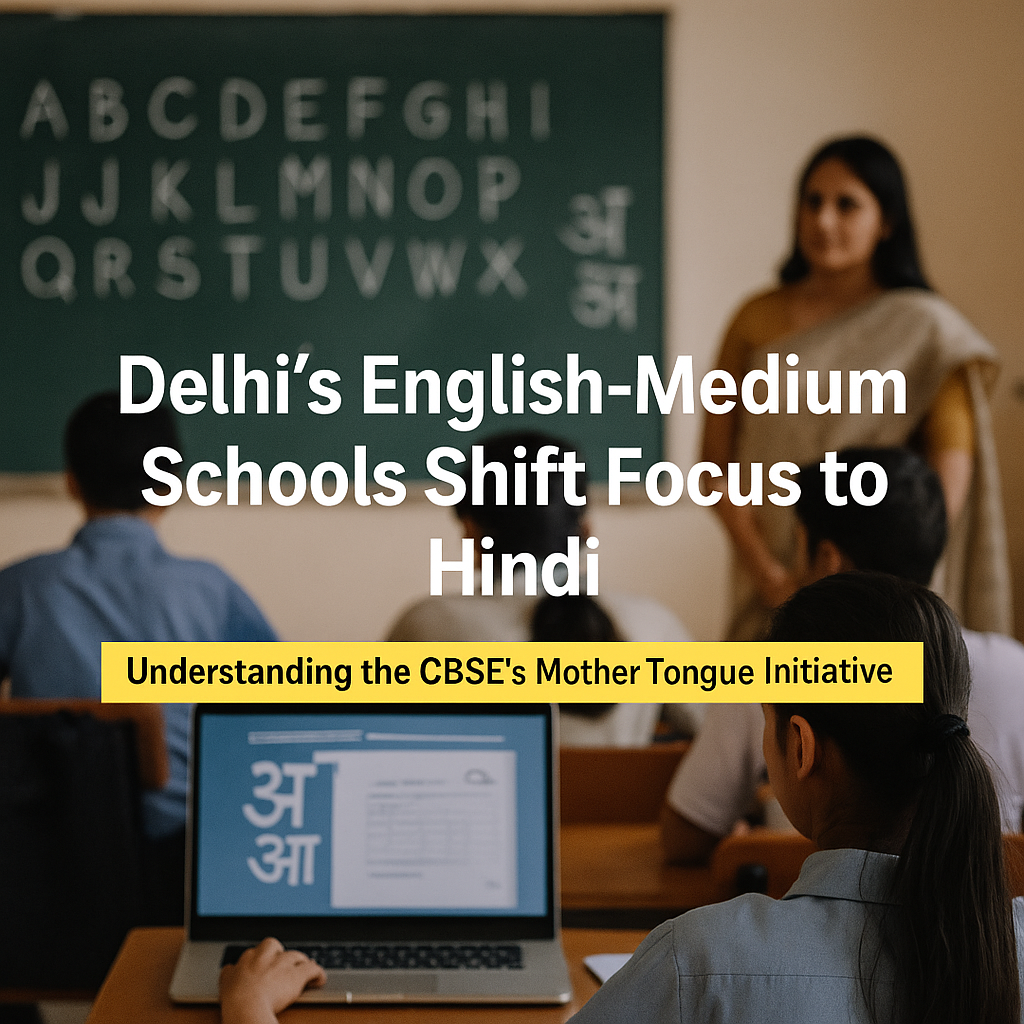
Delhi’s English-Medium Schools in India has implemented a significant initiative aimed at promoting mother tongue languages within the educational landscape. This approach underscores the importance of linguistic diversity and aims to enhance the learning experience for students across the country. By advocating for the use of students’ first languages within the school curriculum, the CBSE recognizes the role that mother tongue plays in cognitive development, cultural identity, and educational success.
One of the primary rationales behind this initiative is the preservation of India’s rich linguistic heritage. With over 122 major languages and numerous dialects spoken across the nation, it is crucial to maintain a healthy balance between global languages such as English and indigenous languages. This preservation not only facilitates communication but also reinforces the cultural fabric of the country, ensuring that future generations remain connected to their roots and heritage.
Moreover, research has shown that learning in one’s mother tongue significantly enhances students’ cognitive abilities. When children are taught in their native language, they tend to grasp concepts more effectively, thereby fostering a deeper understanding of the subject matter. This cognitive advantage translates into improved academic performance overall, especially in critical thinking and problem-solving skills. Thus, the CBSE’s initiative not only serves to preserve linguistic heritage but also actively contributes to better educational outcomes.
In addition to these cognitive benefits, the initiative also encourages students to develop a stronger sense of cultural identity. By integrating elements of their cultural background into their education, students can appreciate the value of their traditions and customs. This approach paves the way for a more inclusive and harmonious educational environment that respects and values diversity. With the focus on Hindi gaining momentum, it becomes essential to explore how this shift impacts English-medium schools in Delhi. The implications of this policy signify a transformative period for education in the region.
Response of Delhi’s English-Medium Schools
In light of the Central Board of Secondary Education (CBSE)’s new initiative emphasizing the importance of mother tongue education, particularly Hindi, many English-medium schools in Delhi are actively adapting their curricula and teaching practices. The directive encourages institutions to reevaluate their language policies, ensuring that Hindi becomes a significant component of the educational framework. As a result, numerous schools have begun implementing comprehensive strategies to incorporate Hindi into their programs.
One of the primary responses has been the mandatory introduction of Hindi as a compulsory subject across various grade levels. Schools have recognized the need for students to develop proficiency in Hindi, not only as a linguistic requirement but also as a way to foster cultural connection and inclusivity. This transition is being supported by newly designed Hindi syllabi that emphasize both language skills and the appreciation of Hindi literature and culture.
Moreover, schools are adopting innovative teaching methodologies to enhance Hindi language instruction. This includes the use of interactive learning techniques, such as storytelling, role-playing, and digital resources aimed at engaging students and making learning Hindi enjoyable. Teachers are undergoing professional development sessions to familiarize themselves with effective instructional strategies that cater to a diverse student population while outstandingly meet the new mandates.
In addition to curriculum changes, many institutions are fostering a bilingual environment by organizing extra-curricular activities focused on Hindi. These events range from cultural festivals celebrating Hindi literature to language clubs that encourage students to participate in discussions and debates in Hindi. Through these initiatives, English-medium schools are not only fulfilling the CBSE’s directive but are also nurturing an appreciation for Hindi among their students, thereby enriching their overall educational experience.
Challenges Faced by Schools and Students
The initiative to incorporate Hindi into the curriculum of English-medium schools in Delhi presents a set of challenges for both educational institutions and their students. A primary concern lies in the necessity for effective teacher training. Many educators in English-medium schools may not possess the proficiency or confidence required to teach Hindi, particularly in the upper grades where academic language tends to be more complex and demanding. This lack of linguistic capability can lead to inadequate instruction, which ultimately hampers student learning and proficiency in their mother tongue.
Additionally, there is often resistance from parents and students who are accustomed to an exclusively English-medium environment. This community apprehension could stem from a fear that Hindi integration may compromise their children’s overall academic performance or competitiveness, especially in a city like Delhi, where English is frequently perceived as the language of success. Such resistance can manifest in various ways, including pushback during parent-teacher meetings, petitions to maintain the status quo, and reluctance among students to engage with Hindi coursework. This dynamic creates a challenging educational landscape that school administrations must navigate thoughtfully.
Moreover, language proficiency disparities among students pose another significant hurdle. Students entering the system come from diverse backgrounds, resulting in varying levels of Hindi proficiency. This uneven linguistic foundation can lead to disengagement among students who may find the Hindi curriculum particularly challenging, while others who are more proficient might feel unchallenged. To address these issues, many schools are adopting strategies such as hiring specialized Hindi educators, offering extra tutoring sessions, and engaging parents through informational workshops to highlight the importance of bilingualism. These measures can gradually foster a more supportive environment for language learning, thereby easing the transition to a more multilingual educational framework.
Potential Impact on Students and Education
The introduction of Hindi as a medium of instruction in Delhi’s English-medium schools, under the Central Board of Secondary Education’s (CBSE) Mother Tongue Initiative, promises to have far-reaching consequences for students and their overall educational journey. A key advantage of promoting bilingualism is the enhancement of communication skills, which becomes particularly advantageous in a linguistically diverse nation like India. Fluency in both English and Hindi allows students to interact more effectively with their peers, teachers, and community members, fostering an inclusive environment conducive to collaborative learning.
Research has consistently indicated that students who are proficient in more than one language often experience improved academic performance. This can be attributed to enhanced cognitive abilities that arise from navigating multiple linguistic frameworks. The incorporation of Hindi into the curriculum may bolster critical thinking and problem-solving skills, as students gain the ability to approach subjects from varied perspectives. Such cognitive enrichment is profoundly beneficial, not only in school but also in real-world situations.
Beyond the academic context, the inclusion of Hindi encourages a deeper appreciation for cultural diversity. Students become more attuned to Indian heritage, traditions, and values, which may enhance their social interactions and build stronger community ties. The ability to communicate effectively in both English and Hindi can open up a wider array of job opportunities. Employers often seek candidates with multilingual capabilities, recognizing that such individuals can navigate diverse workplaces and client bases more effectively.
In conclusion, the shift towards Hindi in Delhi’s English-medium schools has the potential to enrich students’ educational experiences significantly. Through fostering bilingualism, improving cognitive skills, and strengthening cultural connections, this initiative not only prepares students for academic success but also equips them with essential skills for their future personal and professional endeavors.