
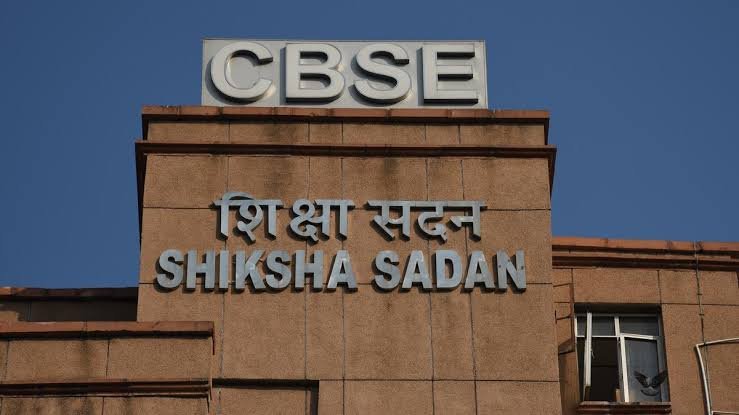
CBSE The Class 10 second board examination is intended to provide an additional opportunity for eligible students to improve their performance after the regular examination. It forms part of a broader assessment arrangement that can give students another chance to demonstrate their learning in selected subjects, rather than requiring them to wait until a later academic year.(CBSE) For students and families, it is important to understand this option as a possible route to improve an examination outcome, not as a replacement for preparation for the main annual examination.
The regular annual examination remains the primary board examination in the academic year, with schools and students following the timetable and procedures announced by CBSE. A second examination, where offered, is a separate subsequent sitting and may have specific conditions governing who can appear, which subjects are available, and how the result is considered. These details should not be assumed from arrangements used in another year. The schedule, eligibility criteria, application process, and subject options for 2027 must be checked in CBSE’s official circulars and other formal announcements. Students should rely on their school’s guidance alongside those notices and avoid treating unofficial reports as confirmed policy.
It is also useful to distinguish board-examination theory marks from internal assessment marks awarded through the school. A subject’s overall result may include both components, but they are recorded and determined through different assessment processes. Theory marks reflect performance in the board examination, while internal assessment is based on school-conducted work and assessment activities under the applicable CBSE framework. A second board examination generally concerns the board examination component; it should not automatically be understood as an opportunity to retake or change internal assessment marks. The precise treatment of marks, including whether existing internal assessment scores carry forward and how any improved theory score is used, must be verified in the rules issued for the relevant examination year. Checking these distinctions early can help students plan realistically and understand what an additional examination can—and cannot—change in their final subject result.
Whether internal assessment marks will carry forward in the CBSE Class 10 second board exam in 2027 cannot be confirmed until CBSE issues the rules for that examination. Students should not assume that these marks will automatically remain unchanged, be recalculated, or be replaced. The applicable instructions may specify different arrangements, and the final outcome could depend on the subjects selected and the type of examination attempt. Until official guidance is available, statements about how marks will be treated should be regarded as provisional rather than definitive.
In general, internal assessment is conducted and recorded by a student’s school during the academic year. Depending on the subject and the prescribed scheme, it may include periodic tests, practical work, projects, or other school-based components. A board examination sitting, by contrast, may relate chiefly to the external written examination component. This distinction is useful, but it does not by itself establish what CBSE will require for a second sitting. The board’s 2027 notification and any related school instructions will determine whether existing records can be used.
When reviewing the official rules, students and parents should look for three specific points. First, do internal assessment marks awarded in the original examination cycle remain valid for a second board attempt? Second, must the school conduct a fresh assessment, submit updated marks, or complete any additional process? Third, how will CBSE calculate the final subject result after an improvement attempt—for example, by combining the external examination score with the existing internal marks, or by applying another stated method? The notice should also clarify whether the arrangement differs for particular subjects or candidates. Students should check CBSE’s official announcements and confirm any school-level requirements with their principal or examination coordinator. Until those details are published, retain relevant assessment records and avoid relying on informal claims about carry-forward marks. A clear written rule will be the reliable basis for understanding the final result calculation.
For the CBSE Class 10 second board examination in 2027, students and families should rely on current, official documents rather than assume that arrangements from an earlier year will remain unchanged. Start with CBSE circulars and notifications, then check the applicable examination bylaws, the Class 10 curriculum, and assessment or scheme-of-examination documents. School notices can explain how a national rule will be implemented locally, but they should not replace or contradict the Board’s published policy.
Read each notice closely for the practical details it confirms. It should state which students are eligible to appear, including any conditions tied to attendance, eligibility status, or the first examination. Check which subjects are offered and whether a student may take the second examination in one subject, several subjects, or only under specified circumstances. The notice should also clarify whether the purpose is to improve marks, address a particular result outcome, or both, and whether any limits apply to the number of subjects.
Pay particular attention to how marks are calculated. Confirm whether the second sitting covers theory alone or includes internal assessment, practical work, or project components. Check whether previously awarded internal marks carry forward, need to be reassessed, or are treated differently under the relevant rules. The official documents should also explain which result or marks are considered when scores from the first and second examinations are combined, and how the final marksheet records the outcome. Do not infer these rules from a general description of the examination.
When comparing information, distinguish confirmed policy from proposals, recommendations, and media reports about possible changes. A report may accurately describe a discussion without establishing a rule. Verify claims against a dated CBSE document, and follow any later circular that updates or supersedes it. Be cautious of social-media posts, coaching-centre graphics, and short summaries that do not link to an official source; they may omit eligibility conditions or use outdated details. If a point remains unclear, ask the school to identify the relevant CBSE notice and confirm how it applies to the student. Keeping copies of the source documents and school communications can help families track deadlines and avoid decisions based on unverified claims.
Students and parents can prepare by keeping a secure copy of the original marksheet and relevant school assessment records. These may include report cards, project submissions, practical-work documentation, periodic-test results, and communication from teachers or the school. Retaining these materials can help families understand what has already been recorded and respond efficiently if information is needed later. Schools should also preserve their own assessment records and follow the applicable procedures for submitting marks.
Before making decisions based on assumptions, students or parents should ask the school examination coordinator how internal assessment marks are entered and transmitted for the second board examination. It is useful to ask whether the school has received written instructions from CBSE, which marks or records those instructions cover, and whether any action is required from the student. Families should seek clarification through official school channels and retain written responses where possible. If guidance is not yet available, the school can explain when it expects to provide an update.
Students should continue completing projects, practical work, periodic tests, and all other assessments required by their school. A second board examination should not be taken to mean that these obligations are waived. Until specific rules are issued, completing schoolwork on time protects students from avoidable gaps in their records and supports their ongoing learning. Schools should communicate expectations clearly and direct families to official CBSE notices rather than relying on speculation or informal online claims.
The practical approach is to preserve records, ask the school coordinator for confirmed information, and check for written CBSE guidance before making plans about marks or examination arrangements. Policies for one examination or academic year should not automatically be assumed to apply to another. The treatment of internal assessment marks for the 2027 second examination can only be stated definitively once CBSE issues rules specifically governing that examination. Until then, students should meet existing school assessment requirements and rely on official updates as they become available.