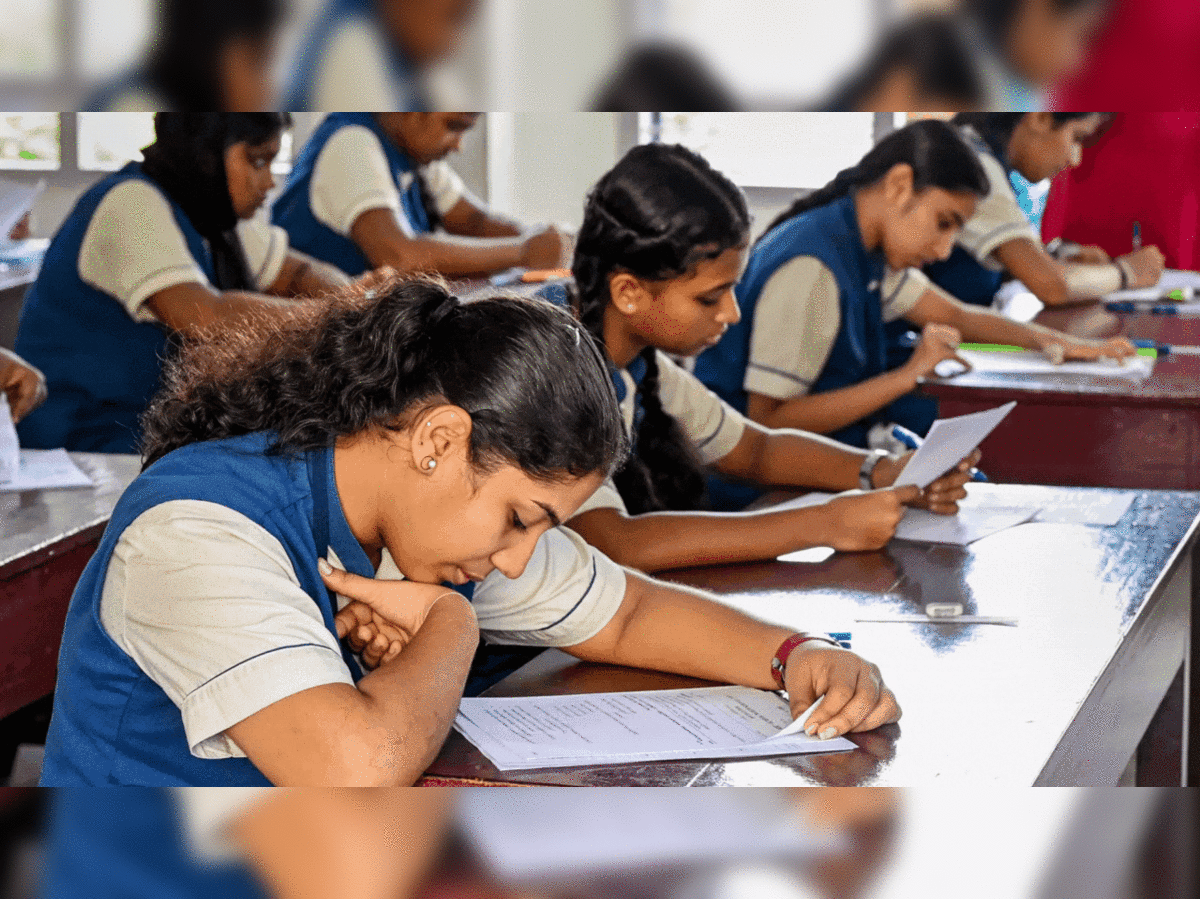






CBSE A pre-board sample paper gives Class 12 Biology students a structured way to practise the kinds of questions they may encounter before the final examination. Its purpose is not simply to test memory. It helps learners apply concepts, interpret diagrams or data, connect topics,(CBSE) and express answers clearly within a limited period. Working through a complete paper can also reveal whether difficulties arise from gaps in understanding, careless reading, weak time management, or uncertainty about answer structure. Treat the paper as a diagnostic practice tool: its results can guide revision, but one score does not define a student’s ability.
Set aside uninterrupted time and gather only the materials permitted by the paper’s instructions. Before beginning, read each direction carefully, note the total time, and plan how to distribute it across sections. Attempt the paper without notes, textbooks, answer keys, or help from others, and follow the allotted time as closely as possible. This creates exam-like conditions and gives a more useful picture of readiness than an open-book exercise. If a question is difficult, mark it and move on rather than allowing it to consume too much time. Return to marked questions after completing the rest, provided time remains. Keep workings.
After finishing, review answers with a reliable solution or teacher’s feedback. Identify errors by type: forgotten facts, misunderstood concepts, incomplete explanations, incorrect diagrams, or avoidable mistakes. For every missed point, check the relevant textbook material and write a brief correction in your own words. Keep a record of topics needing attention and use it to plan targeted revision. Before relying on any practice paper, check the latest CBSE syllabus and the school-issued pre-board format for the 2026–27 session, because a sample may not match every school’s exact assessment. Confirm prescribed chapters, question types, marks, and timing with current school guidance.
Before attempting a Biology sample paper, take a few minutes to inspect its layout and directions. Note the total marks, time allowed, number of questions, marks assigned to each question, and any instructions about answer length or diagrams. Check whether questions are compulsory or whether internal choices are provided, and identify how those choices are presented. This quick review helps you plan your time and avoid overlooking requirements. Do not assume that every pre-board paper follows an identical format: schools may prepare papers differently, so use the instructions on the paper itself as your guide.
Questions may test several kinds of learning. Some assess recall of biological terms, processes, examples, or definitions; others ask you to explain relationships and demonstrate conceptual understanding. You may also encounter data, graphs, experimental results, or diagrams that require interpretation, labelling, comparison, or inference. Application questions can ask you to use biological principles in an unfamiliar situation, connect ideas across topics, or explain a practical outcome. Case-based and other competency-focused questions may combine a short passage, table, image, or scenario with several related tasks. Read the stimulus carefully and distinguish what it states from what you must infer.
The paper should be based on the prescribed Class 12 Biology syllabus, with coverage drawn from relevant units such as reproduction; genetics and evolution; biology and human welfare; biotechnology and its applications; and ecology and the environment. However, unit names, inclusions, and emphasis can change between academic sessions. Verify the current official CBSE syllabus for 2026–27 and compare it with the sample paper before treating any topic as included or excluded. As you review the paper, map each question to its syllabus area and note whether it tests knowledge, interpretation, or application. This overview can reveal areas to revise while keeping your preparation aligned with the current requirements, rather than with an assumed fixed question pattern.
CBSE A balanced pre-board sample paper can use representative practice prompts from across the Biology syllabus without implying that any question is an official CBSE item. In reproductive health and reproduction, a prompt might ask students to explain a process such as double fertilisation, describe a stage of human reproduction, or interpret a diagram of a reproductive structure. Responses should name the relevant parts and explain how they relate to the process, rather than merely reproduce labels. Where a diagram is requested, students should draw it clearly, include a suitable title, and label the structures accurately. The command word matters: “identify” calls for a specific name, while “explain” requires a connected account of how or why something occurs.
Genetics and inheritance questions can ask students to work through a cross, predict possible offspring genotypes or phenotypes, and justify the result using appropriate principles. For example, a problem may provide parental traits and ask students to show the alleles, gametes, and likely ratios. Students should state any assumptions, distinguish genotype from phenotype, and show enough working for their reasoning to be followed. A human-welfare prompt may connect a topic such as immunity, vaccination, or disease prevention with the underlying biological mechanism. Instead of listing benefits alone, explain the relevant response or process and link it directly to the stated health outcome. Compare questions also require a clear basis for comparison, with both sides addressed.
Biotechnology practice may focus on explaining a method, such as recombinant DNA technology, or describing an application in medicine, agriculture, or diagnosis. A strong response presents the main steps in logical order and uses terms accurately, including enzyme, vector, and host where relevant. Ecology prompts can ask students to analyse a food-web relationship, interpret a population graph, or draw a conclusion from a small data set. Read axes, units, labels, and trends carefully before making a claim, and support conclusions with evidence from the information provided. Across all units, concise answers should respond directly to words such as “compare,” “identify,” “explain,” and “justify.” Precise biological terminology, relevant labelled diagrams, and explicit reasoning make practice answers clearer and more complete.
A useful answer key should do more than list final answers. It should give correct responses and brief reasoning for conceptual and application-based questions, showing how biological principles lead to a conclusion. For genetics problems, look for clearly presented steps, such as identifying parental genotypes, setting out a cross, and explaining the expected outcomes. This makes it easier to locate errors in method rather than simply noting that an answer is incorrect.
For diagrams and structured responses, solutions should identify essential labels, terms, and points likely to earn credit. Compare your attempt with the key question by question, and award yourself marks only for accurate points that are supported by a clear explanation. Do not give full credit for a correct keyword if the question requires a relationship, process, or reason. Apply the paper’s marking scheme where available, while recognising that valid alternative wording may also demonstrate understanding.
CBSE After checking your work, keep an error log organised by topic and cause. Note whether each mistake came from a knowledge gap, a misread command word, an incomplete explanation, an incorrect diagram label, or poor time management. This record turns a practice paper into a targeted study plan: repeated errors in one chapter may need a different response from errors caused by rushing or overlooking what a question asks.
Use a focused revision cycle for each weakness. Revisit the relevant NCERT material, then practise similar questions to strengthen the concept or response technique.(CBSE) Once you have reviewed it, retry the incorrect questions without looking at the answer key and explain your reasoning in full. Finally, attempt another timed paper to check whether the correction holds under exam conditions. Obtain practice materials from reliable educational sources, and confirm that both the sample paper and its solutions are labelled for the 2026–27 session before relying on them. This check helps ensure that your preparation reflects the materials intended for your examination year.