




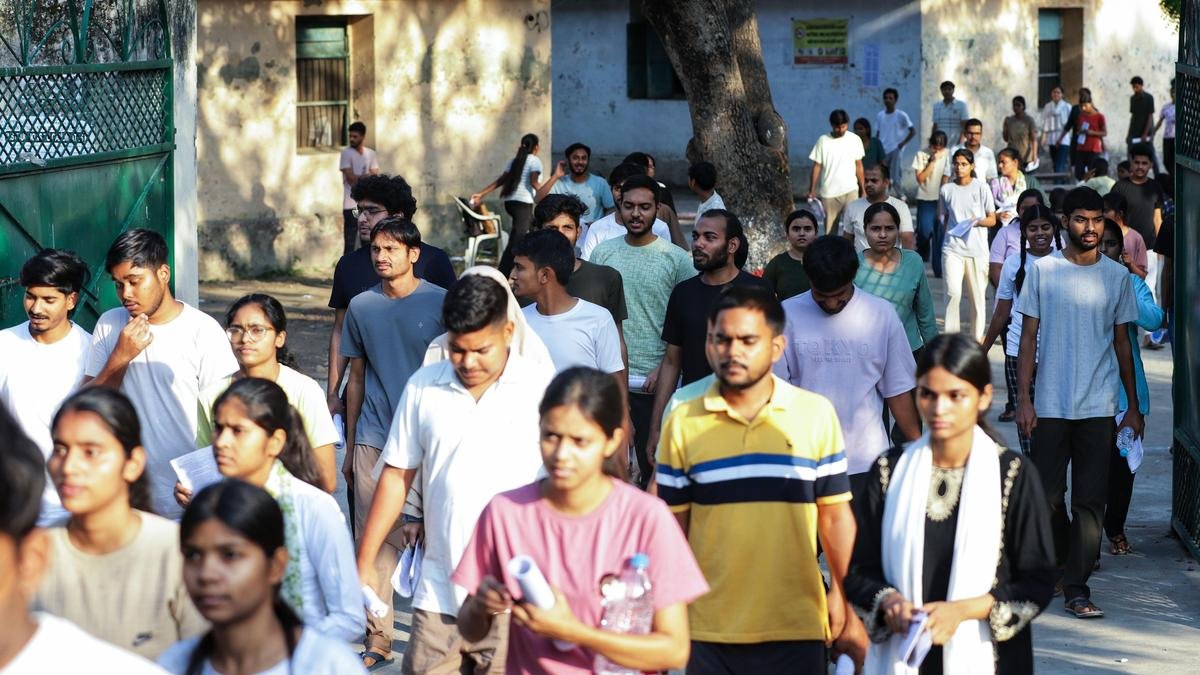
NEET UG The National Eligibility cum Entrance Test (NEET) is an essential qualifying examination for students aspiring to pursue undergraduate medical courses in India. Conducted by the National Testing Agency (NTA), NEET serves as a gateway for admission to various medical institutions across the country. Candidates who wish to enroll in Bachelor of Medicine, Bachelor of Surgery (MBBS), Bachelor of Dental Surgery (BDS), and other paramedical programs must clear this rigorous exam, underscoring its significance in shaping future healthcare professionals.
NEET UG comprises a single-tier examination conducted annually, which assesses students’ knowledge across subjects such as Physics, Chemistry, and Biology. The exam structure is well-defined, featuring a multiple-choice format with a total of 180 questions. Students are allocated a total of three hours to complete the test, and the assessment is designed to gauge not only their theoretical knowledge but also their problem-solving abilities. Each correct answer garners the candidate with four points, whereas one point is deducted for each incorrect response.
To maintain the integrity of the NEET examination process, various standard operating procedures (SOPs) are observed. These include the deployment of surveillance cameras in examination centers, strict identification protocols, and adherence to guidelines laid down by the NTA. Moreover, the process of conducting NEET is continually evaluated to prevent malpractice and ensure a level playing field for all candidates. The policy framework surrounding NEET emphasizes transparency and fairness, which is critical for gaining public trust in the examination and admission system.
The efficient administration and stringent regulations governing the NEET UG exam not only enhance its reputation but also clarify its significance as a pivotal step for aspiring medical students in India. These factors contribute to the examination’s critical role in the educational trajectory of future medical practitioners, ensuring that only qualified individuals are selected for entry into this vital field.
Details of the Alleged Paper Leak
The NEET UG examination has faced significant scrutiny amid allegations of a paper leak in Jaipur, prompting widespread protests and concerns regarding the integrity of the examination process. Reports indicate that irregularities were noted during the conduct of the exam, with multiple instances where students received questions that deviated from the official question set. These irregularities raised red flags among educators and public officials, leading to a closer examination of the examination protocols.
The timeline of events surrounding the leak began to unfold shortly before the examination date, when students and parents began to notice discrepancies in the exam preparation materials and practice papers circulating in the market. Allegations gained traction when a series of social media posts claimed that certain groups had access to the question papers beforehand. Consequently, this escalated into protests by the Congress party, who demanded accountability and transparency from the examination authorities.
Initial investigations into the alleged paper leak focused on gathering evidence from various stakeholders, including students and educators. The authorities launched inquiries aimed at determining the source of the leak and whether it involved larger conspiracies related to examination fraud. As investigations progressed, numerous individuals have been questioned, and preliminary findings suggested a potential breach in the security measures that were supposed to safeguard the examination’s integrity.
The implications of such a leak are profound, impacting not only the students who sit for the examination but also the overall credibility of the educational system. Students may experience undue stress and anxiety over their performance, leading to questions about fairness in testing environments. Trust in the examination process is critical, and incidents like this could lead to broader discussions regarding reform in testing practices and security measures to prevent such leaks in the future.
Congress Protests and Public Reactions
In the wake of the NEET UG paper leak, the Congress party mobilized a significant response in Jaipur, reflecting their commitment to holding examination authorities accountable for alleged irregularities. The protests saw a substantial turnout, with party workers and supporters marching through the streets, voicing their grievances against the allegations of malpractice during one of India’s most critical examinations for aspiring medical students.
During these protests, demonstrators carried banners and chanted slogans that highlighted key demands, including calls for transparency, a full investigation into the leak, and the resignation of officials implicated in the scandal. The slogans utilized by the protesters underscored their frustration with the examination process, as they demanded stricter regulations and better oversight to ensure the integrity of the examination system.
The public response to the protests has been largely supportive, particularly among students and educators. Many students expressed their disillusionment with the examination process, citing the stress and anxiety surrounding admission tests. This incident has spurred conversations about the overall fairness and credibility of educational assessments, particularly in high-stakes environments where the future of students is at stake. Educators have echoed these concerns, urging the need for reforms in the examination system to prevent future mishaps.
As the demonstrations unfolded, social media became a platform for varied opinions, with some supporting the Congress party’s actions and others questioning the motives behind the protests. The general public’s sentiment remains one of concern for the integrity of the NEET process, highlighting the need for accountability from those in charge of conducting such crucial examinations. Ultimately, the Congress protests aim to shine a light on systemic issues in the examination framework that necessitate immediate redressal.
The police response to the recent protests concerning the NEET UG paper leak allegations in Jaipur has been both robust and controversial. Law enforcement authorities deployed various crowd management techniques in an attempt to maintain order during the demonstrations organized by members of the Congress party. The tensions escalated as protesters expressed their discontent over perceived irregularities, prompting the police to utilize water cannons to disperse the crowds.
During the course of these events, officials reported that a significant number of individuals were detained. According to estimates, over 100 protesters were taken into custody as law enforcement sought to prevent any further escalation of the situation. The police assert that these detentions were necessary to ensure public safety and to uphold the law amidst rising tensions. Furthermore, the police employed barricades and other measures to manage the flow of demonstrators and limit access to certain areas in the vicinity of the protests.
Law enforcement authorities have defended their actions, emphasizing that their objective was not to quash dissent but to maintain peace and public order. They have argued that the use of water cannons was warranted given the size and intensity of the crowds. Moreover, they reiterated their commitment to upholding the rights of citizens to protest while balancing that with their responsibility to safeguard the community. In the face of criticism, the police also highlighted the necessity of following procedural guidelines and ensuring that any detentions were carried out in compliance with established protocols.
Overall, the situation remains fluid, with police closely monitoring any further developments related to the ongoing protests. Their approach reflects an ongoing challenge in managing public demonstrations, especially in instances where emotions are high, and public sentiment is divided.