





Parliamentary scrutiny of competitive examinations may follow concerns that threaten confidence in their fairness, reliability, or administration. Allegations of question-paper leaks, reports of other irregularities, inconsistent procedures across centres, and uncertainty about how (Parliamentary) decisions are made can prompt calls for an independent review. Such concerns require careful examination: allegations are not proof, and any assessment should distinguish verified evidence from claims circulating publicly. Scrutiny can also address the wider consequences of high-stakes testing. Candidates may face intense academic pressure, financial costs, and anxiety when a single examination strongly influences access to further education. These factors make transparent procedures and effective routes for resolving complaints important to students and families.
A parliamentary panel can investigate how an examination system operates without taking over its day-to-day administration. Depending on its formal terms of reference, it may examine documents and available evidence, hear from students and parents, consult educators and exam administrators, and seek information from relevant government bodies. This process can help identify weaknesses in security, communication, oversight, or grievance handling. The panel may then propose changes, such as clearer protocols, stronger safeguards, or more transparent reporting. Its role is generally to assess and recommend, not to set examination papers, manage testing centres, or directly run future examinations. The review’s precise remit and eventual conclusions must therefore be established from official records, rather than inferred from proposals, media discussion, or public speculation.
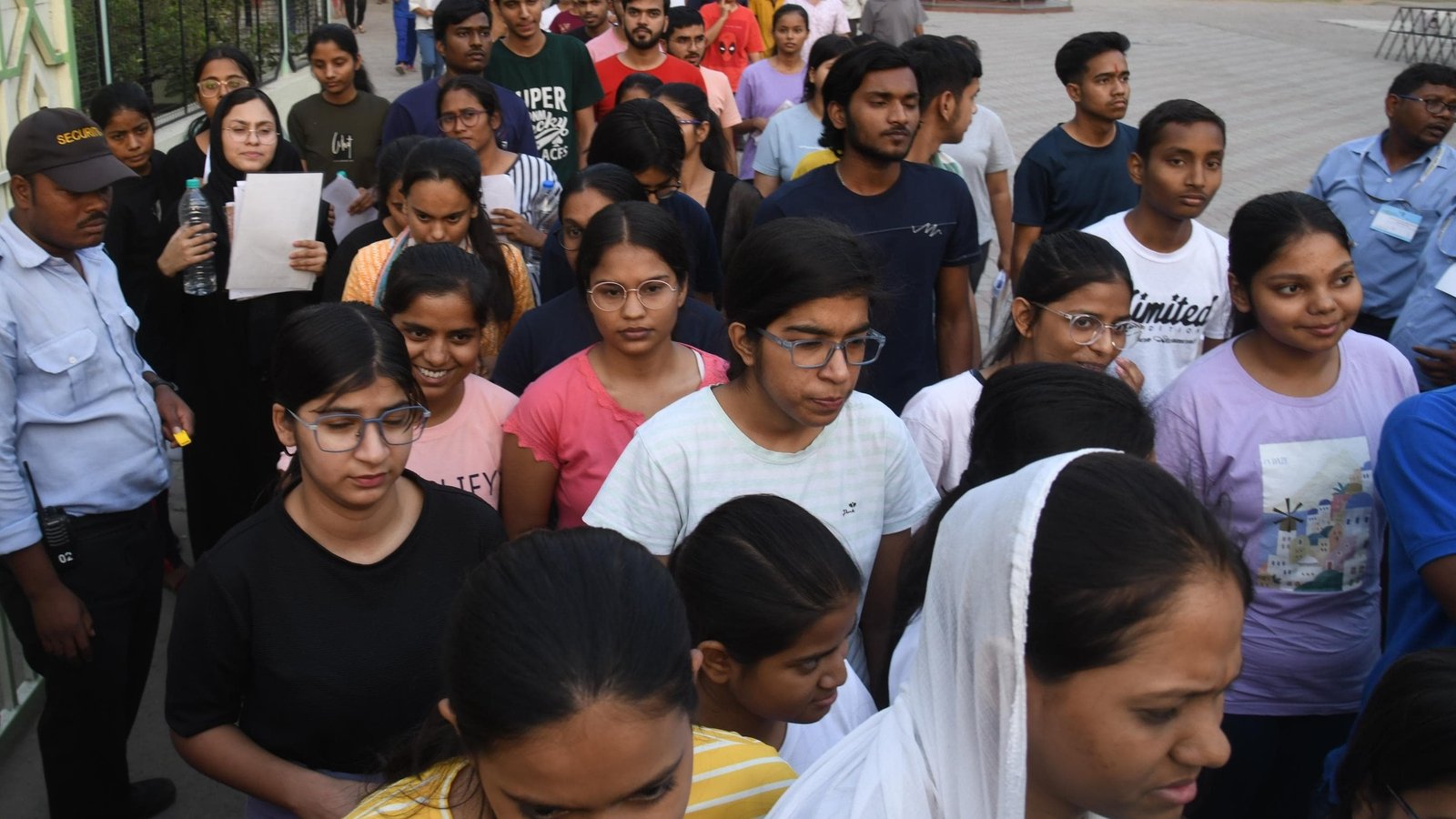
NEET-UG is a central example because it is a national entrance examination with consequences for a large and diverse group of applicants seeking medical education. Its scale means that administration must be consistent across locations, while any disruption or perceived unfairness can affect candidates far beyond one institution or region. The examination also sits at a consequential point in students’ academic paths, shaping access to medical courses and influencing years of preparation. These features make questions about exam security, fairness, and accountability especially significant. A parliamentary review can consider how the system serves candidates and whether its safeguards are adequate, while keeping conclusions grounded in evidence and within the panel’s stated mandate.
A parliamentary review of NEET-UG could examine the full chain of question-paper security, from preparation and printing to storage and transport. Assessment might consider whether access is limited and recorded, whether responsibilities are clearly assigned, and whether secure contingency arrangements exist if a suspected leak or other disruption arises. At examination centres, stronger controls could include consistent checks on materials, staff training, monitored entry procedures, and reliable incident reporting. Identity verification also merits attention: systems should be robust enough to deter impersonation while remaining accessible to candidates whose documents or circumstances require reasonable alternatives. Any suspected breach would need clear protocols for rapid investigation, evidence preservation, and proportionate action.
Transparency and communication are equally important to confidence in a high-stakes examination. A review could assess the publication of answer keys, the time allowed for candidates to challenge them, and whether responses to objections are explained consistently. Grievance procedures should be easy to find, accessible across languages and regions where appropriate, and governed by published timelines. Independent audits of security, administration, and result processing may help identify weaknesses, provided their scope and findings are made public to the extent compatible with legitimate safeguards. When authorities decide to revise results, cancel a sitting, or conduct a re-examination, they should explain the evidence, criteria, and likely effects on candidates.
Possible changes to the examination format, scheduling, or administration could also be assessed for their effects on fairness and reliability. For example, a review might compare different scheduling arrangements or test-delivery methods, considering both security and the practical conditions candidates face. Any approach would need to preserve comparable academic standards across regions, testing sessions, and candidate groups. Reforms should also be evaluated for unintended disadvantages, such as unequal access to technology, travel burdens, or disruption to preparation. These are questions for examination rather than confirmed policy changes. Careful consultation with candidates, educators, testing experts, and state authorities could help determine which options are workable, measurable, and fair before decisions are made.
Discussion of coaching-centre regulation may form part of a wider review of examination integrity and student welfare. High-stakes tests depend not only on secure papers and fair administration, but also on the conditions in which candidates prepare. Coaching centres can provide structure and instruction, while inconsistent practices may expose students and families to avoidable financial, safety, or psychological risks. Clearer rules could therefore complement reforms to testing without treating every centre or learner as the same.
Possible areas for consideration include truthful advertising and transparent disclosure of course fees, additional charges, and refund terms. Rules might also address safe premises, suitable facilities, and staff qualifications, alongside limits on unsupported claims about selection rates or guaranteed results. Accessible complaint channels could help students and parents raise concerns without undue difficulty. These are potential topics for policy discussion, not measures that should be assumed to have been adopted. Any standards would need practical definitions and fair ways to monitor compliance.
Student wellbeing is another relevant concern. Excessive study schedules, inadequate rest, and persistent pressure can contribute to stress, particularly when preparation dominates a young person’s life. Public messaging and teaching practices should avoid suggesting that an exam result determines a student’s worth or future prospects. At the same time, regulation must balance consumer protection and child safety with educational choice, the diversity of teaching models, and families’ differing needs. Authority is also distributed: central bodies may shape national examination policy, while states and local authorities can have roles in education, business licensing, public health, and building safety. Coordination would be important to avoid gaps, duplication, or conflicting requirements. A parliamentary review could examine where responsibilities lie and whether existing safeguards are adequate, while seeking evidence from students, families, educators, and operators before recommending any changes.
A parliamentary review can influence examination policy only if its recommendations are translated into specific duties, resources and deadlines. Each proposed change should identify the authority responsible for delivery, from the national examination body to state agencies and individual centres, and explain how those parties will coordinate. Budgets must cover practical needs such as secure technology, accessible facilities and staff training. Clear timelines, with interim milestones, can help candidates and institutions understand when new arrangements will take effect and reduce uncertainty during admissions cycles.
Implementation also requires consistent minimum standards across states and examination centres, while allowing solutions to reflect local conditions. Staff should receive regular training on examination security, candidate support, accessibility and complaint handling. Independent monitoring can verify whether procedures are being followed rather than relying solely on agencies to assess their own performance. Public reporting should include measurable indicators: the number and nature of security incidents, time taken to resolve complaints, availability of accommodations, centre readiness and candidate feedback. Results should be compared over time, with explanations for gaps and corrective steps where targets are missed.
Parliamentary Consultation should continue beyond the review itself. Students, educators, disability advocates, coaching providers and universities can identify practical effects that may not be visible in policy documents. Their input should inform implementation and subsequent revisions, with particular attention to candidates who face barriers related to disability, location, language or limited resources. Publishing regular progress updates, consultation findings and performance data would make it harder for recommendations to remain symbolic and give the public a basis for assessing whether changes are working.
The purpose of accountability is not simply to add oversight, but to build a trustworthy admissions process. Reforms should protect candidates from avoidable disruption (Parliamentary ) and unfair treatment while preserving the academic standards required for medical education. They should also establish stable, understandable rules for examinations and coaching services, communicated early enough for families, schools and institutions to plan. A review can provide direction; sustained implementation, transparent evaluation and meaningful public participation are what can turn that direction into lasting confidence.