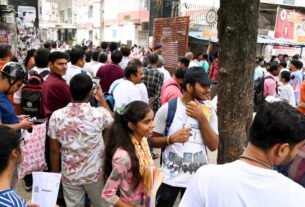
The recent ruling by the Supreme Court concerning the protests associated with the National Eligibility cum Entrance Test (NEET) marks a significant moment in India’s legal landscape. The protests were staged by various student groups who expressed their discontent over the NEET examination process, alleging issues with its fairness and accessibility. This ruling emerged from a series of petitions filed by concerned citizens and affected students seeking legal intervention against the alleged misconduct and mismanagement related to the NEET examinations.
In its deliberations, the Supreme Court highlighted the necessity of striking a balance between the right to peaceful protest and the need for maintaining public order. The judges underscored the importance of peaceful demonstrations as a cornerstone of democratic expression, yet stressed that they must not lead to acts that endanger public safety or obstruct essential services. This nuanced understanding formed the backbone of their decision, indicating that while the voice of the protestors is significant, it must operate within the confines of the law.
Further elaborating on the matter, the court articulated several key points that influenced their ruling. Firstly, the judges noted that prior attempts made by the authorities to manage the protests had to be reviewed for their propriety. The court acknowledged that while dissent is vital, it should be conducted in a manner that respects the rights of others. Critically, the ruling also posited that if protests escalate into violence or disruption, it becomes incumbent upon law enforcement to intervene to restore order.
The implications of this ruling are profound. It sets a precedent for how future protests can be conducted, specifically those linked to academic grievances such as the NEET. Student bodies and education advocates will need to navigate the intricacies of voicing their concerns while adhering to the legal guidelines established in this judgment. In essence, the Supreme Court’s ruling serves as a reminder of the delicate interplay between student activism and legal frameworks in the context of India’s educational landscape.
Background of the NEET Protests
The National Eligibility cum Entrance Test (NEET) has been a significant milestone in the admission process for medical colleges across India. However, as the examination evolved, it led to widespread dissatisfaction and unrest among students, resulting in serious protests. Understanding the background of these protests requires a comprehensive look at the factors contributing to student discontent, as well as the demand for reforms in medical admissions.
Primarily, students have expressed concerns regarding the perceived inequities in the NEET examination system. Many believe that the test does not provide a fair assessment of their knowledge and abilities, often pointing to discrepancies in syllabus coverage, study materials, and regional disparities. These disparities have fostered a sense of alienation among students from various states who feel underrepresented and disadvantaged in the competitive landscape of medical admissions.
In addition to the fairness of the examination itself, the rising cost of medical education has further compounded student grievances. Many aspiring medical students argue that the financial burden associated with NEET preparation and subsequent medical education is becoming increasingly unmanageable. This situation has led to calls for policy reform that would ensure equitable access to medical education and fair assessment practices. As protests gained momentum, students organized movements in various states calling for a reassessment of the NEET process and the introduction of more inclusive admission policies.
Key events leading up to the filing of First Information Reports (FIRs) across five states were marked by heightened tensions between students and authoritative bodies. Incidents of student mobilization, clashes with the police, and public demonstrations showcased their frustration and demand for change. These protests not only highlighted the immediate concerns surrounding NEET but also brought attention to the broader issues of educational access and equity, calling for an urgent dialogue on how the system can be improved to meet the needs of diverse student populations.
Impact of the Ruling on Students and Protests
The Supreme Court’s recent ruling regarding the First Information Reports (FIRs) stemming from the NEET protests carries significant implications for the students involved. The immediate reaction can be observed in the students’ sense of security and their willingness to engage in activism. The judgment may act as a catalyst, encouraging students to voice their concerns without the fear of legal repercussions, potentially leading to a more vibrant landscape of student activism across the country.
In the short term, the ruling offers a reprieve for those students who were facing legal challenges as a result of their participation in the protests. This decision not only alleviates the pressure on these individuals but also underscores the court’s recognition of the importance of student expression. It affirms the notion that students should have the ability to protest and stand up for their rights while maintaining the balance between law and order.
Looking towards the long-term effects, educational authorities may be prompted to reassess their handling of student grievances. This ruling sets a precedent that could lead to more constructive dialogues between students and institutional bodies. As students feel empowered to act upon their concerns, educational institutions might have to shift their approach to include more participatory mechanisms in decision-making, possibly reducing the frequency of protests.
The impact on protests throughout the nation could be profound. With heightened awareness and support from judicial entities, future protests may see increased participation, driven by an evolving landscape where students feel validated in their demands. The court’s endorsement reinforces the notion that student activism is a legitimate form of civic engagement, which could influence other sectors promoting similar forms of activism.
In conclusion, the Supreme Court’s ruling on NEET protest FIRs not only impacts the immediate circumstances of those involved but may also reshape the broader movements related to student activism and the responses of educational authorities throughout the country.
CJP’s Decision to Call Off the Rally
The decision made by the Chief Justice of Pakistan (CJP) to call off the rally that was initially planned for September 5 has significant implications for student activism and protest dynamics in the country. The CJP stated that the decision stemmed from concerns regarding public safety and the potential for unrest, which could arise from an unregulated protest in the current sociopolitical climate. This rationale reflects a broader focus on maintaining order while addressing the concerns of students affected by recent policies.
Responses to this decision have varied widely among stakeholders. Many student organizations expressed disappointment, arguing that the call-off undermines their efforts to voice grievances related to the National Eligibility cum Entrance Test (NEET) and other educational issues. These groups had anticipated a unified front to bring attention to their challenges, believing that public protests could compel authorities to reconsider certain policies affecting education access. Conversely, some political analysts have supported the Chief Justice’s decision, maintaining that preventing potential chaos is a prudent measure in today’s climate.
Furthermore, the implications of this decision extend beyond immediate reactions. It may influence how student groups strategize future protests and mobilizations. Without clear opportunities for direct action, these organizations might be compelled to adapt their methodologies, perhaps leaning more towards digital activism or formal channels of communication with authorities. This evolution in approach underscores the necessity for continuous dialogue between students and policymakers, perhaps prompting a reevaluation of protest tactics. The ruling, therefore, serves as both a relief for some and a challenge for those advocating for systemic change.