



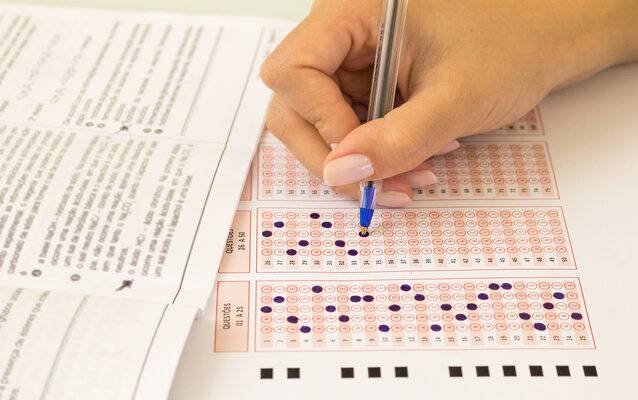
NEET The National Eligibility cum Entrance Test (NEET) serves as a cornerstone in determining the eligibility of candidates for admission into various medical colleges across India. The re-examination process is pivotal in addressing complaints about the integrity of the examination system, thus ensuring that candidates are assessed fairly and transparently. The decision to conduct a NEET re-exam often stems from allegations of irregularities or discrepancies during the initial examination.
This re-assessment is not just an effort to rectify any potential issues that may have arisen, but it also acts as an assurance to the students that the system is robust and equitable. Transparency is vital in such competitive environments where the stakes are exceedingly high for aspiring physicians. The re-examination process brings with it a structured approach designed to maintain academic integrity while also providing a fresh opportunity for candidates who may have faced disadvantages during the first attempt.
The NEET re-exam process follows a defined timeline and strict protocols to ensure that all candidates understand the regulations governing the examination. Announcements regarding dates, eligibility criteria, and application procedures are meticulously communicated via official channels to prevent any confusion among students. The authorities collaborate with various stakeholders to ensure a smooth re-examination process, including thorough monitoring of test centers and a strong focus on procedural adherence.
Ultimately, the NEET re-exam is significant as it reaffirms the commitment to a transparent admission process while addressing concerns raised by students, especially those in areas like Sikar, where skepticism regarding the integrity of the results has surfaced. By implementing rigorous measures, the system aims to enhance confidence among students and their families, ensuring that every candidate is evaluated on equal footing.
The Whistleblower’s Assurance of a Leak-Proof Exam
The recent revelations by a whistleblower concerning the NEET re-examination have highlighted a commitment to establishing a secure and leak-proof examination process. The whistleblower, who has an extensive background in educational assessments, claimed that the protocols and technologies now in place are designed to fortify the integrity of the examination system. Central to these measures is the implementation of advanced digital security tools that prevent unauthorized access to examination materials.
Moreover, the examination centers are expected to deploy stringent monitoring systems, which include both physical surveillance and technological solutions such as biometric identification. The whistleblower emphasized that these precautions are vital for tracking attendance and ensuring that all candidates are thoroughly vetted before entering the examination hall. This multifaceted approach is aimed at reinforcing the trustworthiness of the re-examination process.
Additionally, the whistleblower outlined the importance of training personnel who will oversee these protocols, asserting that exam invigilators must be well-versed in identifying and managing potential malpractices. This training is particularly important, as it equips staff to spot suspicious behavior that may arise during the exams. According to the whistleblower, the combined effect of these measures will significantly reduce the risk of any examination leaks, thereby establishing a robust framework around the NEET re-exam.
The ultimate goal of these initiatives, as articulated by the whistleblower, is to foster a sense of assurance among both students and the wider academic community. By assuring all stakeholders that the NEET re-examination will occur under closely monitored and secure conditions, the hope is to restore faith in the examination’s fairness and credibility.
Sikar Students’ Perspectives and Concerns
As the date for the NEET re-examination approaches, students from Sikar have begun to express their apprehensions regarding the whistleblower’s claims of a leak-proof examination system. Despite this optimistic assertion, many students view the announcement with skepticism, based on their previous experiences and historical context. The NEET examination system has faced scrutiny in the past, which has left a lingering doubt regarding its integrity.
The primary concern among students is rooted in the instances of leaks that have occurred in previous years. This history has not only undermined confidence but has also contributed to the belief that robust measures may not necessarily translate into a completely leak-proof system. With concerns about how past malpractice has been handled, students often find themselves questioning whether new implementations can genuinely safeguard against such breaches.
Additionally, many Sikar students are critical of the adequacy of the measures proposed to ensure a fair examination process. Numerous testimonials from students reflect a lack of clarity concerning what these measures entail. Some students have voiced that while strategies like enhanced monitoring and technology updates have been mentioned, the communication surrounding their effectiveness remains vague and unconvincing.
Moreover, the credibility of the examination system itself is a frequent topic of discussion. Students argue that trust in an educational assessment system depends not only on its principles but also on its consistent performance in maintaining integrity. As one student noted, “Without transparency and a proven track record, can we truly believe in the assurances provided?” Such sentiments are common, reflecting a broader sentiment that merits attention.
Ultimately, Sikar students are hoping for a transparent, fair, and reliable examination process that addresses their concerns adequately, allowing them to focus on their studies without the burden of fear regarding procedural integrity.
Conclusion: Balancing Trust and Accountability in Exam Processes
The recent claims regarding a leak-proof system for the NEET re-examination raise significant questions about the integrity and reliability of examination processes. As the academic landscape continues to evolve, the emphasis on maintaining accountability in educational assessments has come to the forefront. Trust is an essential component in the relationship between examination bodies, students, and their families. When doubts arise, as seen in the case of Sikar students, the perception of fairness in the examination process can be deeply affected.
Ensuring the integrity of assessments not only safeguards the future of the students involved but also enhances the reputation of the examination authorities. It is crucial for these bodies to implement robust systems that are transparent and resistant to malpractices. Feedback from students plays an integral role in this regard; it can provide valuable insights into perceived shortcomings and areas for improvement in examination protocols. By considering student perspectives, authorities can bridge the gap between administrative measures and the realities faced by examinees.
As we look ahead, continuous improvement must be a priority for educational assessments, ensuring that trust is not just a goal but a foundational aspect of the examination system. The call for innovative solutions to address student concerns is vital in fostering a healthy educational environment. A transparent approach, underlined by responsive measures, can lay the groundwork for a future where the integrity of examinations is upheld, thereby restoring confidence among all stakeholders.