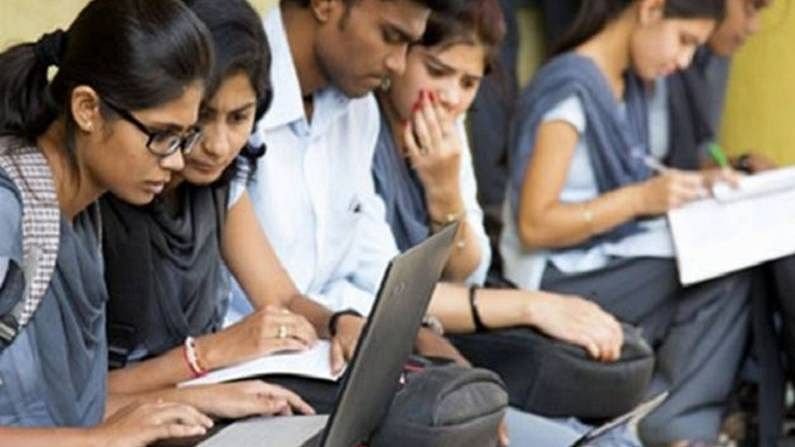





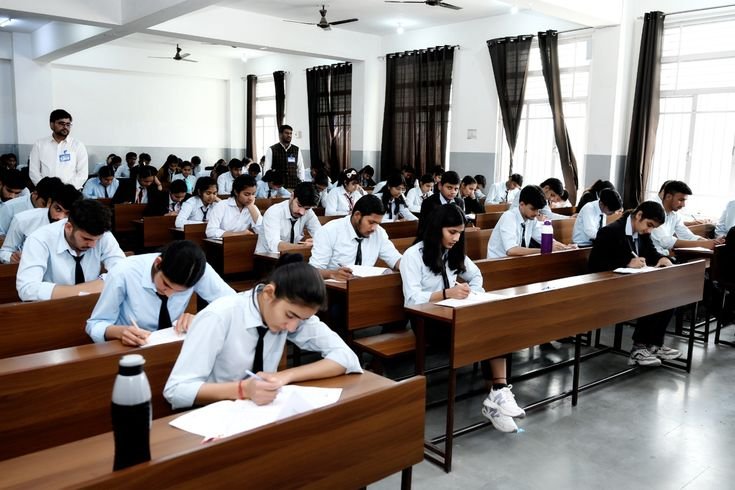
Due to NEET In a notable development, Devi Ahilya Vishwavidyalaya (DAVV) has officially announced the rescheduling of both undergraduate (UG) and postgraduate (PG) examinations. This decision has garnered attention from the student community, as well as educational stakeholders, due to its impact on academic schedules. The primary reason behind this alteration is the overlap of examination dates with the National Eligibility cum Entrance Test (NEET), a situation that presents significant challenges for students preparing for both set of assessments.
The NEET examination, critical for aspiring medical students, attracts a large number of participants each year. The clash between DAVV exams and NEET has raised concerns regarding students’ preparation and their ability to perform optimally in both examinations. By rescheduling the UG and PG examinations, DAVV seeks to ensure that students have a fair opportunity to prepare without the stress of conflicting schedules. This decision underscores the university’s commitment to student welfare and academic success.
Moreover, the significance of well-planned examination schedules cannot be understated. A considerate approach to scheduling exams is essential as it directly affects students’ performance levels. The adjustment not only allows students to manage their study time more effectively but also signifies the university’s responsiveness to the needs and challenges faced by its student body. Overall, the decision reflects a thoughtful strategy to support students as they navigate their academic pursuits while simultaneously preparing for essential entrance examinations.
The rescheduling of the UG and PG examinations by DAVV has brought significant changes to the academic calendar, which has a direct impact on students. As students had already laid out comprehensive study schedules, the alteration of examination dates requires them to reassess their preparation timelines. The new schedule compels students to adapt quickly, which can lead to heightened stress and anxiety levels.
For many learners, particularly those preparing for competitive exams like the NEET, timing is crucial. The overlap of crucial preparation phases can cause confusion, forcing students to juggle between their regular academic commitments and the preparations for other competitive exams. This situation may disrupt the momentum built during their study periods, leading to concern regarding their overall exam readiness and performance. The pressure of adapting to a different exam schedule can also detract from their focus, potentially affecting their overall academic output.
Reactions among students vary significantly. Some students express frustration, feeling that the abrupt changes hinder their ability to prepare adequately for both scenarios, while others view it as an opportunity to better align their focus toward improving their understanding of the material. However, the unpredictable effects of the rescheduled exams illustrate the importance of adaptability and resilience in students’ academic journeys. All these factors underscore the need for proper planning and time management skills amidst these alterations in the academic calendar.
Furthermore, the response from students highlights their concerns not just about academic performance, but also about the logistical challenges associated with these changes. The reopening of discussions surrounding exam preparedness raises an essential dialogue in educational institutions regarding better communication and planning to reduce the impact on students’ academic experiences.
Official Statements and Announcements
The Devi Ahilya Vishwavidyalaya (DAVV) has officially announced significant changes regarding the scheduling of undergraduate and postgraduate examinations due to the coinciding National Eligibility cum Entrance Test (NEET). In a recent press release, university officials elucidated their reasons for rescheduling these exams, emphasizing the need to accommodate a substantial number of students who are expected to take part in the NEET examination. By aligning their schedules, DAVV aims to alleviate potential conflicts for students preparing for both sets of exams.
Vice-Chancellor Dr. Ramesh S. K. Gupta stated, “We understand the pressures that come with preparing for multiple examinations, and it is our priority to ensure our students have the best opportunities to succeed. By amending our exam timetable, we hope to mitigate stress levels and provide equitable access to both university and national exams.” This statement reflects the university’s commitment to student welfare and academic success.
To ensure clarity and transparency in communication, DAVV has adopted a multifaceted outreach strategy. Updates regarding the new examination dates and guidelines have been circulated through official university channels, including the DAVV website, email notifications, and social media platforms. This strategy is designed to keep students informed promptly, offering them adequate time to adjust their preparation plans accordingly. The university has also created a dedicated helpline for students who may have questions or require clarifications about the rescheduled examinations.
The newly established dates for the examinations are expected to be released shortly, and students are advised to stay vigilant for further updates. The proactive approach of DAVV in managing this situation underscores their dedication to fostering a supportive academic environment. As changes are finalized, they will be communicated effectively to ensure all students are adequately prepared for their examinations.
Future Considerations and Recommendations
The recent decision by Devi Ahilya Vishwavidyalaya (DAVV) to reschedule undergraduate and postgraduate examinations due to the National Eligibility Entrance Test (NEET) illustrates a broader challenge faced by educational institutions in coordinating examination schedules. This situation raises important questions about the future of examination scheduling at DAVV and potentially across other universities. As the landscape of competitive examinations continues to evolve, it may necessitate a reevaluation of established academic calendars to minimize conflicts.
One potential long-term change could involve the implementation of a centralized examination scheduling system. Such a system would allow universities to coordinate with one another, ensuring that major examinations do not coincide. Enhanced communication channels and collaboration between institutions could foster a deeper understanding of different examination timelines, ultimately benefiting students and easing their academic burdens. In doing so, it will create a more streamlined process for managing overlapping examination periods.
For students navigating this new schedule, several recommendations can be made. First, they should familiarize themselves with the updated exam timetable as soon as it is published, allowing ample time for adjustment. Time management becomes critical, particularly for those balancing their studies with preparation for competitive exams like NEET. Developing a tailored study plan that breaks down the syllabus into manageable sections can facilitate a thorough revision process.
Additionally, students should remain flexible and proactive in their approach to study. Regularly assessing their understanding of the material and seeking assistance when needed can enhance comprehension and retention. Engaging with peers through study groups may also provide valuable support during this transitional period.
Ultimately, while the rescheduling of examinations is a reactive measure to a current conflict, it also presents an opportunity. By embracing changes in scheduling practices and adapting study strategies, students can better prepare themselves for future academic challenges.