

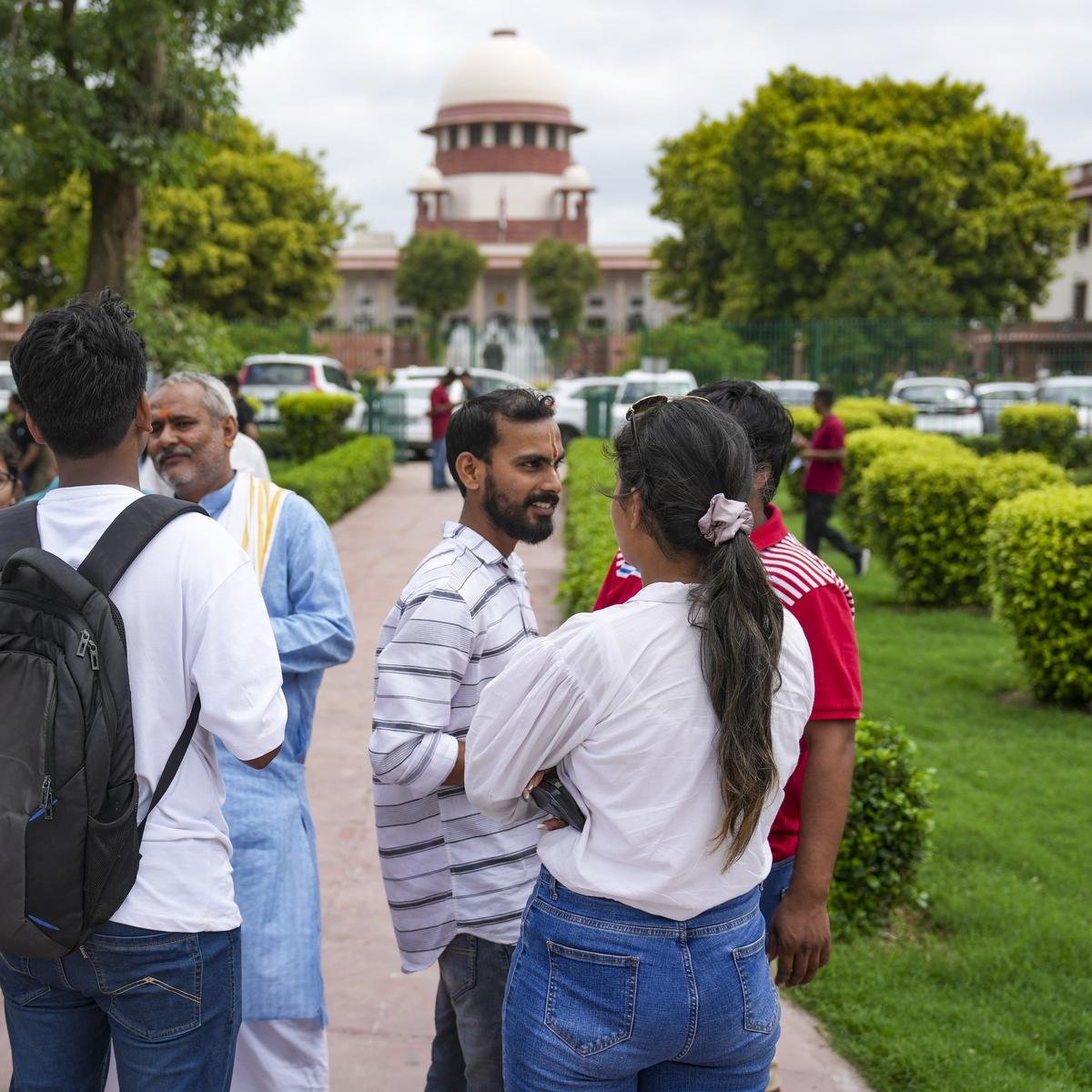
NEET-UG The National Eligibility cum Entrance Test for Undergraduate (NEET-UG) is a pivotal examination in India, primarily aimed at facilitating admissions into medical colleges. The cancellation of NEET-UG 2026 has stirred significant discussion, not only among aspiring students but also across educational institutions and the broader academic community. To understand the implications of this decision, it is essential to delve into the context that led to this unexpected turn of events.
The road to NEET-UG 2026’s cancellation was fraught with complications and controversies. The Supreme Court’s ruling came after a series of legal challenges that questioned various aspects of the examination process, including the fairness and transparency of the evaluation methods employed by the National Testing Agency (NTA). Students raised concerns regarding discrepancies in question papers, and the potential for bias within the assessment process, which contributed to growing dissatisfaction among stakeholders. These issues propelled affected students and their advocates to seek judicial intervention, culminating in the Supreme Court’s decision that ultimately necessitated the examination’s cancellation.
The role of the NTA in administering NEET-UG cannot be understated, as it serves as the primary body responsible for conducting this crucial test. The agency’s decisions significantly impacted not only the examination structure but also the overall preparation experience for students and the admission processes for educational institutions. As the NTA navigated the complex terrain of regulatory compliance and student expectations, it became increasingly clear that the agency needed to foster a more transparent and equitable testing environment. The challenges faced leading up to NEET-UG 2026’s cancellation reflect the pressing need for reform within the assessment framework, with potential lessons to be learned for future iterations of the examination.
Supreme Court’s Stance: An Examination of the Ruling
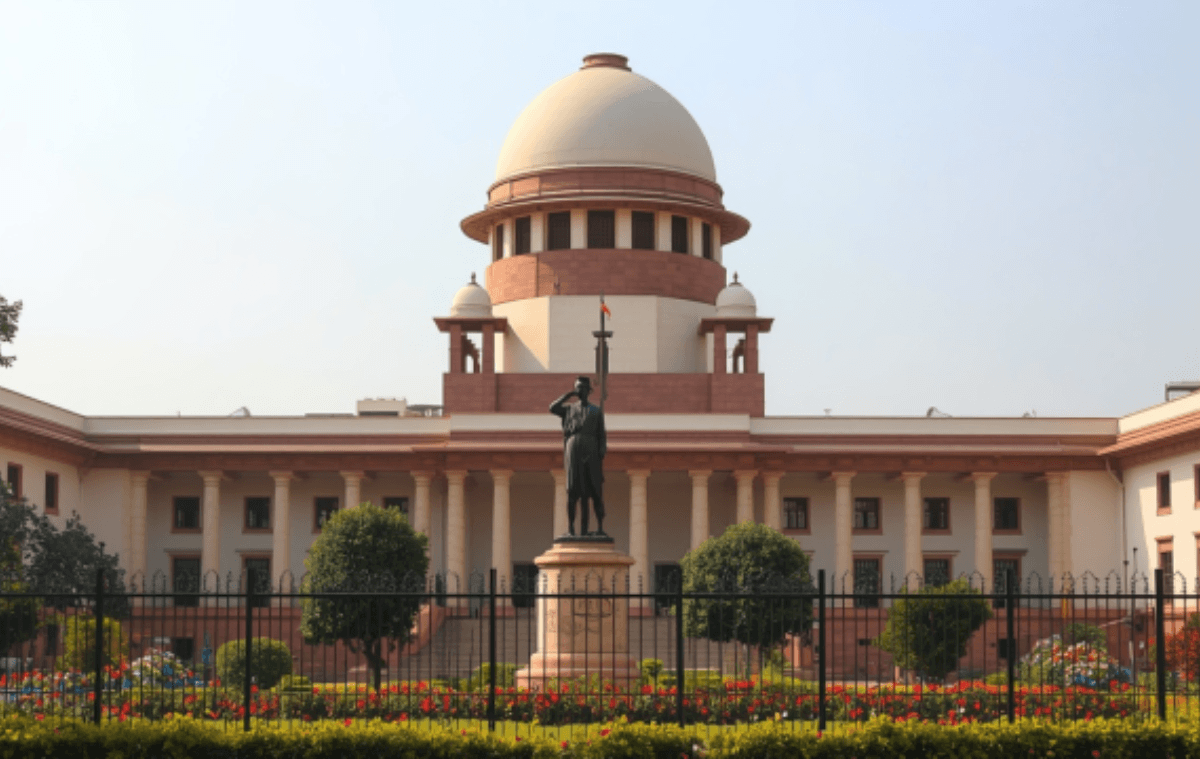
The Supreme Court of India has taken a decisive stance regarding the National Eligibility cum Entrance Test (NEET-UG) for the academic year 2026. The ruling presents a comprehensive examination of the legal framework that governs educational assessments and the rights of students within that context. The primary objective of the court’s decision was to evaluate the legality of the cancellation of NEET-UG 2026 by the National Testing Agency (NTA). The court scrutinized the justification put forth by the NTA for this cancellation and examined how this action aligns with the principles of fairness, transparency, and the right to education.
Legal arguments from various stakeholders were pivotal in shaping the court’s ruling. The petitioners contended that the abrupt cancellation would significantly affect thousands of aspirants who had invested extensive time and resources preparing for the examination. They argued that it not only disrupted their academic ambitions but also violated their fundamental rights as guaranteed by the Constitution. The NTA, on the other hand, cited administrative challenges and allegations of malpractices as reasons for the decision, which drew scrutiny. The Supreme Court highlighted the necessity for a balanced approach, weighing the administrative prerogatives of the NTA against the rights of the students.
This ruling has far-reaching implications for the education system in India. It sets a precedent for how examinations should be conducted, ensuring that due process is followed and that students are not unduly penalized for administrative lapses. The court’s decision reaffirms that transparency and accountability must be at the forefront of the examination process, emphasizing that any future decisions by the NTA should be cognizant of the students’ welfare. Ultimately, the Supreme Court’s ruling not only addresses the immediate issue of NEET-UG 2026 but also influences the governance of educational assessments more broadly.
The Emotional Impact on Students and Stakeholders
The cancellation of NEET-UG 2026 has caused significant emotional distress among students, parents, and educators alike. Many students who had dedicated years of hard work, sleepless nights, and countless hours to prepare for this pivotal examination now find themselves engulfed in uncertainty. For these students, NEET-UG is not merely an exam but a gateway to their desired careers in the medical field. As a result, the abrupt cancellation has led to feelings of frustration, despair, and disillusionment, significantly impacting their mental health and academic confidence.
One student, Priya Sharma, expressed her dismay by stating, “I studied day and night, sacrificed my social life, and now it’s all for nothing. I feel lost and confused about what to do next.” Such sentiments are echoed by many of her peers, highlighting the profound stress that stems from the sudden and unexpected turn of events.
Parents, too, are feeling the ramifications of this decision. Many invested time and resources into their children’s education, expecting a positive outcome from NEET-UG 2026. An anxious father, Mr. Ramesh Verma, shared, “I watched my daughter pour her heart and soul into her studies. Now, to see her hopes dashed overnight is heartbreaking. We don’t know what the future holds, and that uncertainty is terrifying.” The incredulous reaction from parents signifies an overwhelming sense of helplessness and loss.
Educators, who play a pivotal role in guiding and nurturing these students, also report a troubling atmosphere. With the cancellation, teachers are left with the challenging task of addressing the emotional fallout while trying to motivate students, rekindling their passions amidst despair. They need to help students transition their focus and plan for alternative pathways, which can be equally challenging during such emotionally charged times.
This escalating emotional turmoil requires attention, compassion, and support as students, parents, and educators collectively navigate the uncertainties that have arisen from the cancellation of NEET-UG 2026.
Lessons for the NTA and the Future of Medical Entrance Exams
The recent ruling by the Supreme Court regarding the cancellation of NEET-UG 2026 has imparted significant lessons for the National Testing Agency (NTA) and the broader educational ecosystem. One of the primary takeaways is the importance of adhering strictly to established regulations and guidelines. The inconsistency observed in the handling of the NEET-UG exam raises serious questions about governance, communication, and the protocol needed to manage national-level examinations efficiently.
Moreover, this incident highlights the necessity for continuous engagement with stakeholders, including students, educators, and institutions, to create a transparent process. Open channels of communication can facilitate a better understanding of grievances and expectations from all parties involved. This proactive approach could prevent misunderstandings and foster trust, ensuring that future examinations are conducted smoothly.
Additionally, the NTA may need to reevaluate its contingency planning and decision-making frameworks. Unexpected disruptions can occur, but a well-structured response strategy can mitigate chaos and confusion. Implementing a robust feedback mechanism post-examinations will enable the NTA to gather insights directly from participants, which is vital for ongoing improvements.
The integrity of medical entrance exams such as NEET-UG is crucial not only for aspiring medical students but also for maintaining public trust in the educational system. To prevent similar situations, the NTA should also consider building strategic partnerships with educational institutions and other agencies, promoting a collaborative approach to exam management.
In conclusion, the Supreme Court ruling serves as a wake-up call for the NTA. By focusing on regulatory compliance, stakeholder engagement, and effective planning, the NTA can enhance the quality and credibility of medical entrance examinations, ensuring a better future for aspiring candidates in the medical field.