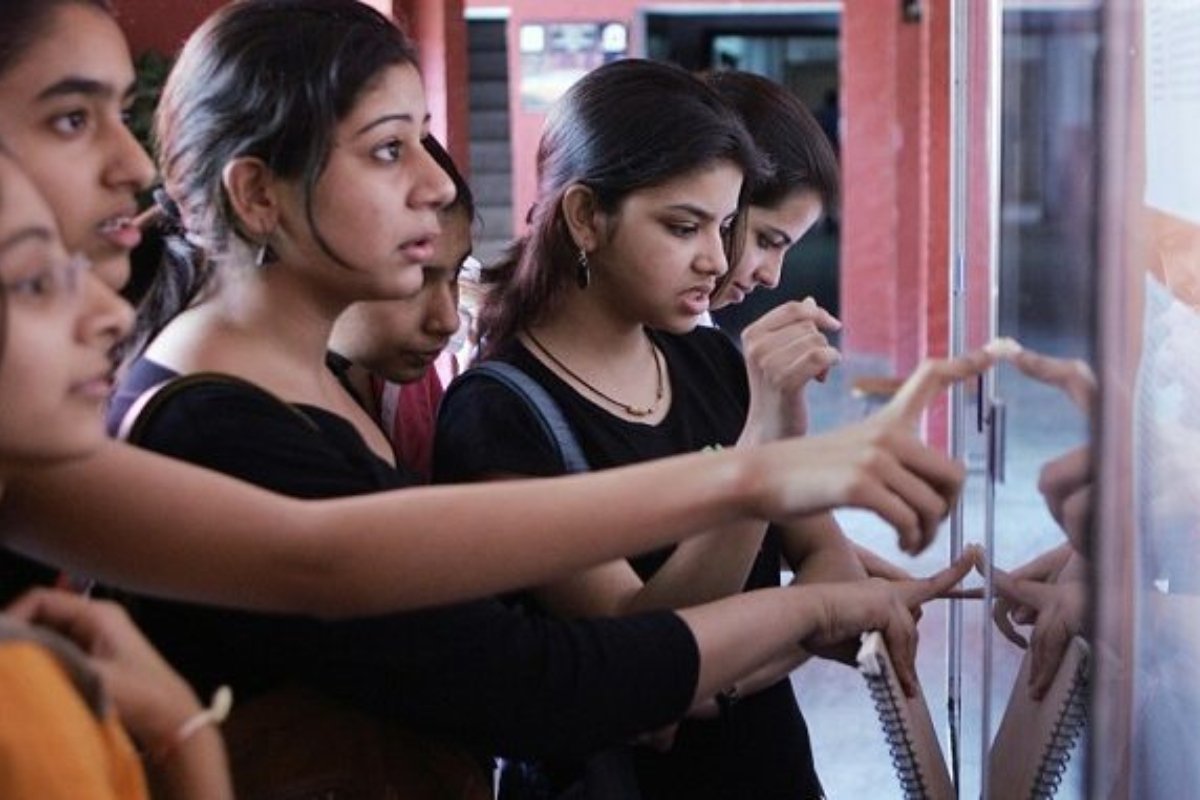


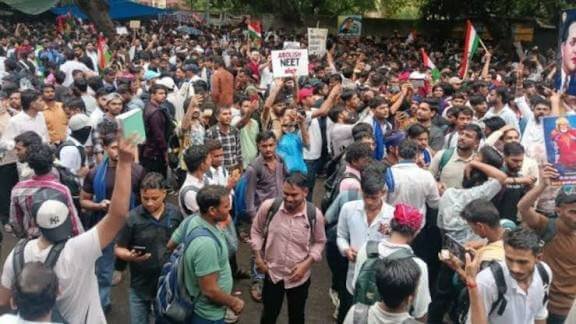



NEET The National Eligibility cum Entrance Test (NEET) has been a pivotal examination for medical aspirants in India. However, in recent years, it has also become a focal point of student unrest and demonstrations across the country. The protests primarily stem from concerns regarding the examination process, including allegations of unfair practices, limited opportunities for admission, and the high stakes involved in securing a place in medical colleges.
Many students and their advocates argue that the NEET system tends to favor students with access to better resources, thereby marginalizing those from underprivileged backgrounds. This perceived inequity has led to widespread frustration, resulting in organized protests where students gather to voice their demands for a fairer, more transparent selection process. Furthermore, there are criticisms around the centralization of the examination, which many feel detracts from the localized understanding of merit and potential among students.
Educational institutions have also played a role in these protests. Many institutions, while adhering to the examination protocols set by the National Testing Agency (NTA), have begun to acknowledge the rising discontent among students. Consequently, there have been calls from some institutions for reforms to address the issues surrounding the NEET examination. On the other hand, government bodies find themselves navigating a complex landscape of policy, public sentiment, and the need for a standardized entrance examination to maintain quality in education.
The protests have further escalated in response to perceived governmental inaction regarding these legitimate concerns. As student groups unite to advocate for their cause, they have gained visibility through social media platforms, amplifying their messages. This ongoing unrest highlights a broader dialogue about equity in education and the importance of a system that adequately reflects the values of fairness and opportunity for all students, regardless of their socio-economic status.
The Supreme Court’s Ruling Explained
The recent ruling by the Supreme Court regarding the actions of the magistrate in the NEET protest case has clarified several important legal principles. This case arose from significant unrest among students protesting against the National Eligibility cum Entrance Test (NEET), which they claimed was unfair and detrimental to their education and career prospects. The magistrate, in response to the protests, took certain actions that were later scrutinized by the Supreme Court.
The Supreme Court’s decision emphasized the necessity for a balance between maintaining law and order and protecting the rights of citizens to express dissent. The Court reiterated that while authorities must ensure public safety, they must also respect individuals’ constitutional rights to assemble and protest. The judgment outlined that arbitrary actions taken by the magistrate in handling the situation fell outside the bounds of lawful conduct, which undermined the tenets of justice.
In dissecting the legal principles involved, the Court highlighted the importance of adhering to due process in situations involving mass protests. The ruling sets a precedent that may redefine how magistrates exercise their powers in similar cases in the future. It underlines a vital aspect of judicial oversight—ensuring that decisions made during such critical situations are grounded in law.Moreover, the implications of this ruling extend beyond the immediate case. It reassures students and citizens that their rights are protected even amidst widespread unrest and provides a framework for magistrates to operate within legal limits when addressing protests. The Supreme Court’s stance is a reminder that any actions taken to maintain public order must not infringe on individuals’ rights unjustly.
This ruling thus holds considerable weight for both the students involved in the NEET protests and the broader legal system in India. It signals a commitment to upholding democratic values and legal principles, thereby reinforcing public confidence in the judiciary’s role as a protector of rights.
Implications for Future Actions by Magistrates
The recent decision by the Supreme Court regarding the authority of magistrates in the context of the NEET protest case carries significant implications for future judicial proceedings involving public protests. This case has drawn attention to the powers bestowed upon magistrates, raising essential questions about their ability to balance law enforcement with the protection of individual rights. The ruling may lead to a reassessment of how magistrates approach similar situations, prompting them to adopt a more cautious stance when dealing with public demonstrations.
One of the primary concerns highlighted by the Supreme Court is the importance of both maintaining public order and ensuring citizens’ rights are protected. As magistrates are often on the front lines of managing protests, they must now consider the impact of their decisions not only on law enforcement but also on the fundamental rights of individuals involved in such actions. This dual responsibility may necessitate further training for magistrates to adequately equip them in handling complex social dynamics effectively.
Moreover, the ruling may instigate changes in how the police interact with magistrates during riot or protest situations. Clearer guidelines may be formulated to aid magistrates in exercising their authority without infringing on civil liberties. Subsequently, this could inspire a more collaborative approach between law enforcement agencies and local magistrates, fostering a more robust legal framework for future protests.
Furthermore, the Supreme Court’s attention to the rights of protesters could influence the formulation of policies aimed at protecting citizens during civil unrest. With increased scrutiny on the actions of magistrates, there may be an evolution in the standards used to evaluate the appropriateness of police measures during public gatherings. This recognition of individual rights may lead to a paradigm shift in how magistrates operate, aiming ultimately for a more equitable justice system.
Reactions from Students and Legal Experts
NEET The Supreme Court’s recent decision regarding the authority of magistrates in the context of the NEET protests has garnered a wide array of reactions from various stakeholders, notably students, legal experts, and advocacy groups. The ruling has not only stirred discussions surrounding the legal ramifications for student protests but also highlighted the ongoing tensions related to educational reforms and students’ rights within the judicial system.
Students, a key group affected by this decision, have expressed a mixture of relief, skepticism, and concern. Many have welcomed the affirmation of their right to protest, viewing the ruling as an important step towards recognizing student voices in systemic issues related to education. However, some students have also voiced apprehensions about the ruling’s implications for future protests, fearing it may lead to increased scrutiny and potential crackdowns on student activism. This duality in reactions underscores the complexity of student sentiments, as they navigate the delicate balance between advocating for change and adhering to legal boundaries.
Legal experts have weighed in on the matter, providing analytical perspectives on the Supreme Court’s interpretation of magistrate authority in the context of student protests. Some legal scholars argue that the ruling sets a significant precedent, affirming that magistrates must exercise caution and due diligence before taking action that could infringe upon constitutional rights. Others caution that while the decision is a step forward, it is not without potential pitfalls, particularly concerning how it will be applied in future cases involving student unrest.
Advocacy groups focused on educational rights have applauded the Supreme Court’s decision as a validation of student activism and a call for greater awareness of their rights. They view this ruling as a springboard for discussions surrounding the need for systemic change in the education sector and the importance of allowing students to voice their concerns through peaceful protests. Furthermore, these groups suggest that the ruling could have broader implications for future legal interpretations of protest rights nationwide.
Overall, the reactions to the Supreme Court’s decision reflect a multifaceted dialogue about the intersection of education, law, and student activism, indicating that its impacts will be felt across various domains in the foreseeable future.