





NEET Exam Leak The National Eligibility cum Entrance Test (NEET) is a pivotal examination for students aspiring to pursue medical education in India. This entrance test has garnered immense significance as it serves as a gateway for aspiring medical professionals to gain admission into various government and private medical institutions across the country. The integrity of the NEET process is, therefore, crucial not just for the students but also for the educational frameworks designed to ensure a fair selection process.
The NEET exam leak case has raised serious concerns regarding the sanctity of this examination. The timeline of events began with reports suggesting that a significant examination paper leak took place shortly before the scheduled examination date. Investigations revealed that individuals involved included coaching center operators, educators, and some candidates, weakening the trust in the examination system. The controversy ignited furious debates amongst stakeholders, including distressed students and anxious parents who had invested time and resources into preparing for this critical test.
Initial reactions from key stakeholders reflected the gravity of the situation. Students expressed their frustration and anger over potential unfair advantages gained by some candidates. Parents echoed their dismay, fearing that such malpractices jeopardized their children’s futures. Education authorities quickly affirmed their commitment to upholding the credibility of the examination process, emphasizing that immediate actions would be taken against those involved.
The implications of the NEET exam leak resonate throughout the educational landscape, compelling policymakers to reassess security measures surrounding entrance examinations. This alarming incident is poised to transform not just how examinations are conducted, but also how accountability is enforced within educational institutions, ensuring that the integrity of the NEET exam is preserved for future generations of medical aspirants.
Details of the Arrests and Charges
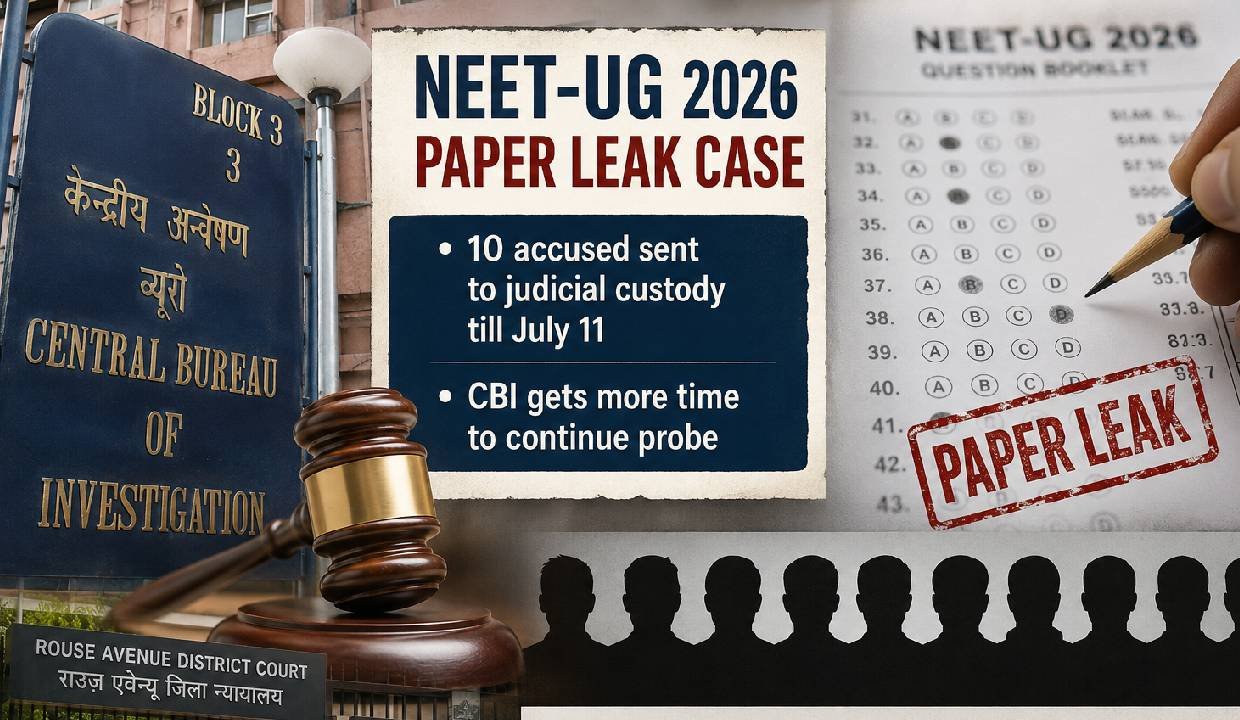
NEET Exam leak In the recent developments surrounding the NEET exam leak, ten individuals have been arrested for their alleged involvement in this serious breach of examination integrity. The accused range from coaching center operatives to individuals connected with unauthorized dissemination of exam materials. Law enforcement agencies have conducted thorough investigations leading to these arrests, highlighting the organized nature of the crime.
The primary charge against the accused includes conspiracy to cheat and facilitate examination malpractice, a serious offense under Indian law. Authorities have indicated that these individuals not only leaked the exam paper but were also involved in creating a network that assisted candidates in accessing the questions before the official exam date. This deeply undermines the credibility associated with NEET, a crucial exam for aspiring medical students.
Among the accused, several are reported to have been part of a wider syndicate that specialized in exam leaks across various competitive examinations, raising concerns about the systemic vulnerabilities within the examination system. The alleged methods employed by these individuals included the use of technology to capture exam content and dissemination of that material through various platforms, capitalizing on the growing reliance on digital communication. Such tactics reflect a concerning trend that could pose future risks to the integrity of nationwide assessments.
The implications of these allegations extend beyond the individuals involved; they significantly impact the trust placed in the NEET exam by students and their families. Many candidates invest considerable time and resources preparing for this examination, which serves as a determinant for admission into reputable medical institutions. As judicial custody of the accused is set to continue until July 11, the education community and public authorities are closely monitoring the case’s developments and potential ramifications for future examinations.
Judicial Proceedings and Custody Extension
In the ongoing judicial proceedings surrounding the NEET exam leak, the custody of ten accused individuals has been extended until July 11, prompting discussions regarding the legal implications and future consequences for those involved. The extension of custody is a crucial procedure, as it allows law enforcement agencies additional time to gather evidence and solidify their case against the accused. According to legal experts, this development suggests that the judiciary is prioritizing thorough investigations to ensure that justice is served.
During recent court hearings, the presiding judge emphasized the importance of a detailed examination of the evidence presented by the prosecution. The judge remarked that ensuring a fair trial necessitates a comprehensive analysis of both the evidential and procedural aspects of the case. The extension reflects the court’s commitment to a meticulous judicial process, allowing the prosecution sufficient time to substantiate its claims while ensuring the accused’s rights are upheld.
Legal analysts predict that the continued custody may impact the strategy of the defense as it seeks to contest the allegations. Typically, in high-profile cases such as this, defendants may face heightened scrutiny and public interest. The ramifications of these proceedings extend beyond the courtroom, influencing public perceptions of the NEET exam’s integrity as well as the broader educational system involved in the examination process. Furthermore, the ongoing media coverage is likely to maintain pressure on various stakeholders, including educational authorities and law enforcement, to deliver timely updates and transparent results.
In conclusion, the case surrounding the NEET exam leak exemplifies the complexities of legal proceedings involving significant public interest. The judiciary’s decision to extend custody until July 11 reflects careful deliberation in ensuring the integrity of the legal process, with consequences that may reverberate throughout the educational sector in the future.
Implications for Future NEET Exams and Security Measures
NEET Exam leak The recent judicial developments surrounding the NEET exam leak have raised significant concerns regarding the integrity and security of future examinations. This incident not only disrupts the current examination cycle but also casts a long shadow over the credibility of the selection process for future candidates. Authorities responsible for conducting the National Eligibility cum Entrance Test (NEET) must take immediate and effective measures to mitigate the risks of similar occurrences.
One likely outcome of this case may be a thorough review of existing security protocols. Enhanced measures could include the implementation of advanced technology to monitor examination centers, such as the use of biometric identification systems and CCTV surveillance. These technologies serve as deterrents against potential malfeasance and help maintain the sanctity of the examination process.
Furthermore, the role of examination personnel will be scrutinized more closely. Enhanced training programs focusing on the ethical standards and responsibilities of examination hall staff could help prevent collusion or negligence in managing examination environments. Regular audits of administration practices may also be introduced to ensure compliance with strict security guidelines.
For students preparing for upcoming NEET exams, the ramifications of this scandal could influence their approach to studying and exam-taking. The anxiety surrounding the fairness of the examination process may lead to heightened pressure and stress among candidates. Students might need reassurance regarding the measures being taken to uphold the integrity of future exams, which may include public announcements from examination boards outlining revised security protocols.
In the broader educational context, this incident could spark discussions on the need for systemic reforms aimed at restoring public confidence in competitive examinations. Maintaining the credibility of NEET remains paramount, and an emphasis on stringent security measures will be crucial for protecting the future of medical education in the country.