





NEET The National Eligibility cum Entrance Test (NEET) 2026 serves as a pivotal examination for aspiring medical students across India, offering them a gateway to prestigious medical colleges. The significance of this examination cannot be overstated, as it not only evaluates students’ knowledge and understanding of vital subjects like Biology, Chemistry, and Physics but also directly influences their educational and professional trajectories in the medical field.
Recently, however, the integrity of the NEET 2026 has come under scrutiny due to serious allegations surrounding a potential paper leak. Reports stating that the examination paper was allegedly being sold on a messaging platform such as Telegram have raised concerns regarding the fairness and credibility of the examination process. Such claims, if substantiated, could undermine public trust in the National Testing Agency (NTA), the authoritative body responsible for conducting the NEET.
The NTA’s role as a facilitator of fair and transparent examinations is crucial for maintaining educational standards in India. Allegations of a paper leak, especially in a high-stakes examination such as NEET, not only jeopardize the competitive nature of the test but also could lead to significant repercussions for the students who rightfully prepare for their exams. The implications of these allegations extend beyond the immediate participants to impact the perception of the examination system at large.
In light of these developments, the NTA has taken proactive measures, referring the matter to the Cybercrime Unit for thorough investigation. This step is essential to ascertain the authenticity of the leaks and to reassure stakeholders that the examination process remains secure and trustworthy. As further information emerges, it is vital to monitor the situation closely to understand its effects on the NEET 2026 and, by extension, the candidates who depend on this examination for their future careers.
Details of the Allegations and Evidence
The controversy surrounding the NEET 2026 exam has intensified following allegations of a potential paper leak. These claims have emerged primarily from various online platforms, with notable attention drawn to Telegram, where instances of alleged sales of the examination question paper were reported. Various users have come forth with unsettling claims that unscrupulous individuals were attempting to sell the NEET examination paper for substantial amounts of money.
Evidence for these allegations has surfaced in the form of numerous screenshots and messages shared on social media. Reports from candidates who innocently participated in discussions on these platforms indicate that they were approached with offers relating to the procurement of the NEET 2026 question paper. These discussions reportedly included prices and negotiations concerning the acquisition of the purportedly leaked exam materials.
In addition to individual accounts, there have been more formal whistleblower reports that provide anecdotal evidence supporting the claims of a leak. Some candidates reported that they received anonymous messages urging them to connect with sellers on Telegram. These exchanges often included what appeared to be snippets of the exam questions or erroneous versions thereof, further igniting concern among students and educational institutions alike.
The National Testing Agency (NTA), responsible for administering the NEET exam, has taken these allegations seriously, referring them to the Cybercrime Unit for thorough investigation. This move signals the seriousness of these claims and aims to uphold the integrity of the NEET examination process. As further inquiries and analyses unfold, it remains crucial to meticulously assess the validity of these allegations while ensuring that the exam’s reputation is preserved.
NTA’s Response and Actions Taken
In light of the recent allegations regarding the leak of the NEET 2026 exam paper, the National Testing Agency (NTA) has issued an official statement to address these claims and reiterate its commitment to maintaining the integrity of the examination process. The NTA emphasized that it takes such accusations seriously and has initiated a comprehensive inquiry into the matter to ascertain the validity of these disturbing allegations.
The agency has confirmed that it has referred the allegations concerning the sale of the NEET examination paper on Telegram to the Cybercrime Unit for further investigation. This collaborative effort not only demonstrates the NTA’s transparency but also its intent to thoroughly investigate any potential breaches of security that may have jeopardized the examination’s integrity. The NTA’s engagement with law enforcement agencies reflects its proactive stance in safeguarding public confidence in the examination process.
To prevent future occurrences of similar incidents, the NTA plans to implement stringent measures aimed at fortifying its security protocols. These measures include enhancing the technological safeguards surrounding the examination materials and ensuring that the examination delivery systems are robust against any unauthorized access. Additionally, the NTA is analyzing existing procedures to identify areas for improvement and to develop comprehensive guidelines that would minimize the risk of exposure of confidential examination content.
Furthermore, the NTA has assured all candidates that it remains dedicated to conducting examinations that are fair, transparent, and devoid of any malpractices. By reiterating its commitment to uphold the highest standards in examination administration, the NTA aims to restore public trust and ensure that the integrity of the NEET examination is upheld at all levels.
Impact on Students and Future of NEET
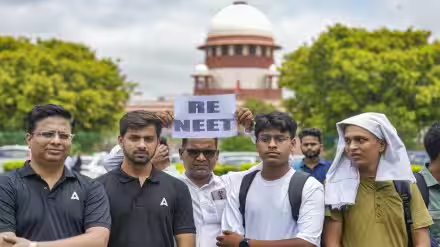
The recent allegations surrounding the NEET 2026 re-exam paper leak and the NTA’s referral of the claims to the cybercrime unit have raised significant concerns among students aspiring to enter medical schools in India. The allegations have the potential to create an atmosphere of anxiety and confusion among candidates who are diligently preparing for the examination. As aspiring medical students invest immense time and resources into their NEET preparations, any news of potential malpractices can disrupt their focus and erode their confidence in the fairness of the examination process.
Moreover, the controversies surrounding examination integrity invariably affect students’ exam preparations. They may become preoccupied with fears of illegitimacy, leading to misplaced priorities in their study plans. Consequently, students may find themselves torn between preparing thoroughly for a legitimate examination while also grappling with thoughts of possible systemic corruption. This dual focus can lead to heightened stress levels, negatively impacting both mental well-being and academic performance.
The ongoing scrutiny regarding the NEET examination can also shape the overall perception of its credibility among candidates and educational institutions. While a certain number of students might get disheartened by these allegations, it is essential to consider the possibility for change that may arise out of such incidents. They could provoke a reassessment of current protocols to ensure greater transparency and fairness in the examination process. Reform in medical entrance examinations could involve not only stricter enforcement of rules but also the integration of technology to mitigate the risk of future leaks, given the evolving landscape of educational assessments.
As the authorities examine the allegations more thoroughly, they have an opportunity to reinforce the integrity of the NEET examination system. This may ultimately lead to enhanced trust among students, educators, and society, fostering a more robust and equitable pathway into the medical profession.