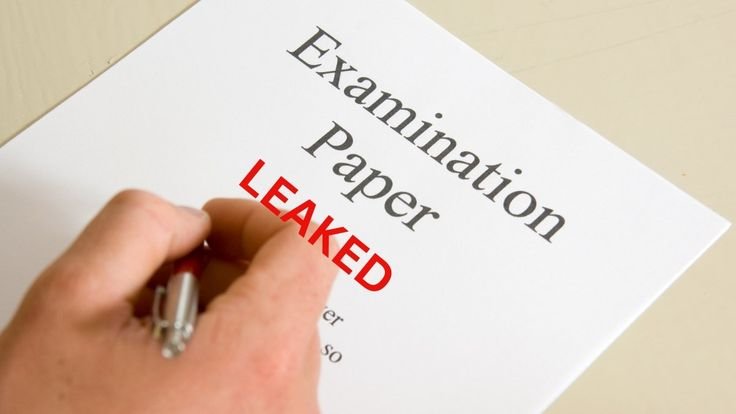
NEET 2026 The National Eligibility cum Entrance Test (NEET) is a crucial examination for aspiring medical students in India, serving as the gateway to undergraduate medical programs in numerous institutions across the country. Conducted by the National Testing Agency (NTA), the exam is taken by a large number of candidates, reflecting not only the popularity of medical education but also the competitive nature of the field. As the 2026 NEET exam approached, there had been heightened anticipation and preparation among students, given its significance in determining their future academic and professional trajectories.
However, the excitement surrounding the examination was soon overshadowed by allegations of a major paper leak. Reports surfaced detailing a systematic breach of security protocols involved in the administration of the exam. Allegations indicated that a so-called ‘guess paper,’ purportedly containing over 100 questions that would appear in the actual NEET 2026 exam, had been circulated among select groups of candidates. This revelation raised serious concerns about the integrity of NEET and the fairness of the selection process.
The Rajasthan Special Operations Group (SOG) took prompt action, initiating a thorough investigation into the matter. Early findings suggested that there might be deeper issues at play, including the possible involvement of coaching institutions that have long been scrutinized for their significant influence on exam preparation. The gravity of the situation was underscored by statements from educational authorities who emphasized the necessity of upholding the credibility of the examination system.
As the investigation unfolds, it has become increasingly clear that the NEET 2026 paper leak controversy is not merely a question of individual misconduct; rather, it poses critical implications for the future of medical entrance examinations in India. The developments are being followed closely by students, educators, and policymakers alike, all awaiting clarity on the outcomes of the probe and its repercussions on this essential examination.
Details of the Rajasthan SOG Investigation
NEET 2026 The Rajasthan Special Operations Group (SOG) launched a comprehensive investigation into the NEET 2026 paper leak following numerous complaints regarding discrepancies in the examination process. The initial phase of the inquiry began when students and education activists raised concerns that some individuals had prior access to exam materials. This prompted the authorities to delve deeper into the integrity of the examination system.
During the course of the investigation, it became evident that the leak was connected to a network of individuals allegedly selling ‘guess papers’ that included questions far too similar to those on the actual NEET exam. The SOG efforts primarily focused on compiling evidence, interviewing witnesses, and surveilling those suspected of involvement in disseminating these illicit materials.
A pivotal moment in the investigation came when forensic analysis of the guess papers revealed a shocking correlation with the official NEET paper. Investigators found that more than 100 questions from the guess paper were verbatim or closely paraphrased from the actual examination. This remarkable alignment raised serious doubts about the security protocols employed during the exam preparation and distribution phases.
The implications of these findings are significant, threatening the credibility of one of the most important entrance exams in the country. Further scrutiny has been advised to assess the access points and procedural gaps that allowed such a breach to occur. As the SOG continues to sift through the evidence, they have also begun coordinating with academic institutions and state authorities to impose stricter regulations surrounding examination integrity.
Ultimately, this investigation underlines the necessity for robust measures and accountability within examination systems to safeguard students and maintain fairness in evaluations.
Response from the National Testing Agency (NTA)
NEET 2026 In light of the allegations surrounding the NEET 2026 examination paper leak, the National Testing Agency (NTA) has taken a firm stance to uphold the integrity of the assessment process. The NTA has publicly acknowledged the concerns raised regarding the purported circulation of guess papers and their alarming resemblance to actual examination questions. Following the findings of the Rajasthan SOG probe, which uncovered a match of over 100 questions with those designed for the NEET 2026, the NTA committed to a thorough investigation.
The NTA’s official statements have emphasized its unwavering dedication to maintaining transparency and trust in the examination procedures. A senior official from the agency stated, “We do not tolerate any malpractice that compromises the fairness and credibility of our examinations.” This assertion reinforces the NTA’s operational commitment to ensuring that all candidates have an equal opportunity to succeed based on their merit and preparation, rather than external interference.
To address the situation effectively, the NTA has initiated multiple preventive measures aimed at safeguarding future examinations. These include enhancing the security protocols surrounding the distribution of exam papers and increasing surveillance during the conduct of the examinations. Additionally, the agency is looking into the implementation of advanced technological solutions to detect and deter any attempts of malpractice in real-time.
The implications of such incidents extend beyond a singular examination; they threaten the overall trust in standardized testing in India. Stakeholders, including students, parents, and educational institutions, have expressed concerns about the reliability of test outcomes. The NTA recognizes this sentiment and is actively working towards restoring confidence through transparency and proactive measures. As the agency moves forward, it aims not only to resolve current issues but to create a testing environment that upholds fairness and integrity for all participants.
Implications for NEET Aspirants and Future Examinations
The recent NEET 2026 paper leak, uncovered by the Rajasthan SOG probe, has raised significant concerns regarding the integrity of the examination process. For current NEET aspirants, the existence of a ‘guess paper’ that matched over 100 questions poses a threat to their mental preparedness and sense of fairness in the competitive landscape. Students often invest immense time and effort in their preparation, and incidents like this can lead to feelings of disillusionment and frustration. The potential perception that success might be unduly influenced by unethical practices can significantly undermine their motivation.
Moreover, this situation calls for an urgent reflection on the future of NEET and similar examinations. Stringent regulations and robust security measures must be established to prevent such incidents from occurring again. Without reforms that enhance the credibility of the NEET examination, the confidence of aspiring medical students in the system will continue to dwindle. Future examinations must also consider incorporating advanced technology, such as biometric verification and AI-driven proctoring systems. This proactive approach could deter cheating and instill trust in the assessment process.
Additionally, the broader implications on the healthcare education system in India cannot be overlooked. Dishonesty within admission processes could lead to a decline in the quality of medical professionals entering the field. Ensuring that only genuinely meritorious students secure a place in medical colleges is crucial for maintaining high standards of healthcare. If unchecked, the fallout from the NEET 2026 incident may have far-reaching consequences not just for students, but for the healthcare system as a whole; as future generations of medical practitioners will be shaped by the standards set today.