
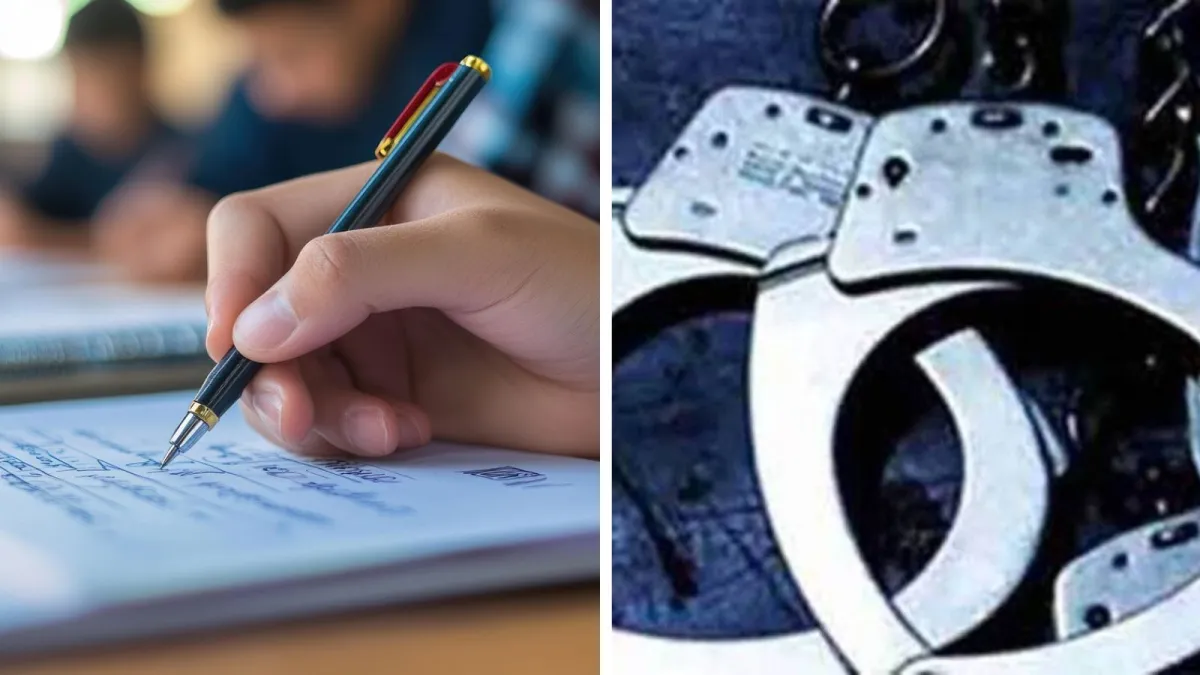
Paper Leak The NEET 2026 paper leak incident has garnered significant attention within India, as it raises serious concerns regarding the integrity of competitive examinations. The timeline of events began when a whistleblower alerted authorities about irregularities in the examination process just days before the scheduled date. As a result, the Central Board of Secondary Education (CBSE) was prompted to initiate a thorough investigation.
On the day of the NEET 2026 examination, reports surfaced on social media platforms alleging that certain candidates were in possession of leaked question papers. This revelation led to widespread panic among students and parents alike, who feared that the fairness of the entrance examination had been compromised. The initial investigation quickly gained momentum thanks to swift action by law enforcement agencies, including the Central Bureau of Investigation (CBI).
In the unfolding weeks, authorities uncovered a network involving several individuals, including teachers and administrative staff, who were allegedly complicit in the leak. The apprehension of a professor linked to this scheme intensified scrutiny on the examination’s conduct. As part of the ongoing investigation, the CBI has sought additional handwriting samples from the arrested professor to establish clear connections to the evidence gathered so far.
Public reaction to the NEET 2026 paper leak has ranged from outrage to disappointment, highlighting the anxiety faced by students who had invested significant time and resources in preparation. The implications of this incident extend far beyond individual examinations; it raises essential questions about the broader examination process and ongoing measures ensuring its integrity. The ramifications of such incidents threaten to tarnish the reputation of competitive exams in India, potentially discouraging future applicants.
Overall, the NEET 2026 paper leak incident demonstrates the critical need for robust protocols to safeguard examination integrity, ensuring that all students compete on a level playing field.
Details of the Delhi Court Ruling
Paper Leak The recent ruling issued by a Delhi Court holds significant implications for the ongoing investigation into the NEET 2026 paper leak case. Within this legal framework, the court has authorized the Central Bureau of Investigation (CBI) to collect additional handwriting samples from the professor who has been apprehended in connection with this case. This decision arose during the proceedings, where the prosecution emphasized the necessity for further samples to substantiate the evidence linking the professor to the alleged malpractice.
The courtroom discussions highlighted the gravity of the accusations directed at the accused, framing the necessity for a thorough examination of the handwriting as a critical aspect of maintaining academic integrity. The defense argued, however, that the request for more samples might infringe upon the professor’s rights and could be seen as an overreach by the investigative authorities. Nevertheless, the judge granted the CBI’s request, citing the need for a comprehensive investigation to ensure that justice is served.
This ruling underscores the importance of evidential integrity and presents a focal point for the CBI’s pursuit of justice in this case. The decision to permit the collection of additional handwriting samples reflects a judicial understanding of the complexities involved in proving the authenticity of academic materials. Furthermore, it sheds light on the legal mechanisms in place that regulators can utilize to address issues surrounding academic misconduct.
As the investigation unfolds, the outcome of this ruling will likely play a crucial role in shaping perceptions of accountability within educational institutions in India. It is pivotal for the legal processes to not only address individual cases of wrongdoing but also to uphold the broader principles of fairness and ethical behavior in academic settings.
Role of the CBI in the Investigation
Paper Leak The Central Bureau of Investigation (CBI) plays a pivotal role in the investigation of the NEET 2026 paper leak case. Established to take on high-profile cases with national implications, the agency is equipped with specialized tools and a trained workforce adept in various investigative techniques. In this particular case, the CBI is not only focused on identifying the primary suspects responsible for the leak but is also employing advanced methods such as handwriting analysis to establish connections between arrested individuals and the fraud.
Handwriting analysis is crucial in this investigation, as it aids in examining the authenticity of written documents, which may include leaked question papers or notes related to the examination process. By collecting handwriting samples from the arrested professor and potentially other suspects, the CBI aims to identify patterns or similarities that could link them to the leaked material. This scientific method has the potential to provide irrefutable evidence, thereby strengthening the case against those involved in the illegal activities.
However, the CBI faces several challenges during this investigation. One of the primary challenges is the vast network of individuals involved in examination malpractices, which could extend beyond those under arrest. Identifying other suspects or accomplices will require diligent efforts, including cross-referencing handwriting samples, scrutinizing digital footprints, and gathering testimonies from various sources. Additionally, the agency must ensure that its methods comply with legal standards to avoid potential complications that could undermine their findings.
The findings from this prolonged investigation will be crucial not only in addressing the NEET 2026 paper leak but may also set precedents for future cases of educational fraud. As the CBI continues its thorough approach, the outcome could illuminate systemic issues within academic assessments and contribute towards reforming examination protocols and practices.
Implications for Future Exams and Academic Integrity
Paper Leak The recent NEET 2026 paper leak raises pressing concerns regarding the integrity of examinations in India. Such incidents not only compromise the credibility of assessment processes but also endanger the future of academic integrity within the educational system. As such, it is crucial to examine the ramifications of this event and identify necessary strategies to enhance the security of future examinations.
Firstly, the reliance on traditional examination formats must be reassessed. With technology evolving rapidly, educational authorities might consider adopting more secure methods, such as online assessments with advanced proctoring technologies. This shift could help minimize the risk of paper leaks and ensure that examinations remain fair and unbiased for all candidates.
Moreover, the need for stringent procedural checks cannot be overstated. By instituting more robust vetting procedures and background checks for all personnel involved in the examination process, including educators and administrative staff, institutions can foster a culture of accountability. Workshops focused on ethical practices among educators also could serve to reinforce the importance of academic integrity.
The repercussions of examination malpractices extend beyond immediate academic outcomes; they can adversely affect students’ futures and undermine public confidence in educational institutions. Consequently, it is imperative for academic bodies to understand the potential long-term consequences and work collaboratively with regulatory authorities to enact preventive measures.
Finally, engaging with educational stakeholders, including students, teachers, and academic professionals, is critical in crafting a holistic approach to safeguarding the examination process. Suggestions from experts could pave the way for reforms that not only protect the integrity of assessments but also restore public confidence in the system. It is evident that proactive measures are necessary to ensure that exam integrity is upheld, fostering a fair educational environment for future generations.