

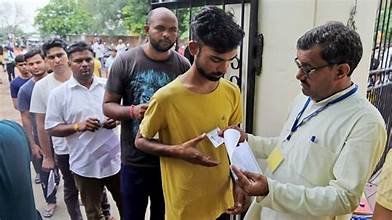



NEET The recent incident concerning a NEET aspirant from Nagpur has garnered significant attention, raising questions about the integrity of the investigation processes involved. The case emerged when a note, presumed crucial for the ongoing investigation, was reported missing from the case files. This situation poses serious implications for the NEET aspirant, the investigative authority, and the effective administration of justice related to the case.
The student, whose future hangs in the balance, was one among many applicants who undertook the National Eligibility cum Entrance Test (NEET) with hopes of securing admission to medical colleges across India. This incident, however, has brought forth issues of accountability and scrutiny in how the case is being handled by law enforcement officials. The missing note was allegedly a key piece of evidence that could provide insights into potential irregularities or misconduct surrounding the examination process.
The investigation has been led by local authorities who now face a challenge to maintain public confidence and transparency as they seek to address the implications of this oversight. The absence of the note has elicited a show cause notice to the investigation officer, prompting questions regarding the management of evidence within the case files. Stakeholders, including legal experts and academic advocates, are calling for a thorough review of the investigative practices to ensure that all pertinent information is preserved and adequately assessed.
This ongoing situation underlines the importance of meticulous documentation in legal cases and raises broader concerns regarding the operational protocols of investigation teams. As the case develops, all involved parties are expected to uphold the integrity of both the examination process and the associated legal proceedings. The implications of the missing note will continue to resonate as the case unfolds, potentially impacting the future of the aspirant and the credibility of the NEET examination itself.
Details of the Missing Note
The case involving the Nagpur NEET aspirant has garnered significant attention, particularly due to the recent revelation concerning a critical note that is currently missing from the case papers. This note is believed to contain vital information pertaining to the aspirant’s circumstances leading up to the incident. The content of the note is reportedly intricate, detailing personal reflections, insights about the examination environment, and other pertinent information that could shed light on the aspirant’s state of mind at that time.
The intended purpose of this note appears to be twofold: firstly, to serve as a personal account for the aspirant, and secondly, potentially to provide clarity and context to the investigation. Given the complexities of this case, each piece of evidence, including personal notes, holds considerable weight in the investigative process. The absence of this document raises questions about the thoroughness of the investigation and could ultimately affect the credibility of the evidence presented.
The implications of not having access to this note are manifold. For one, it may result in a narrative that is lacking in depth and understanding of the aspirant’s motivations and actions. Investigators and legal professionals rely heavily on comprehensive documentation to construct a coherent timeline and to understand the behavioral patterns exhibited by individuals involved in such cases. The omission of this note could lead to an incomplete representation of the facts, thereby impacting the final determination of the case’s outcome.
The situation surrounding the missing note also gives rise to several theories regarding how it may have gone missing. Speculation includes the possibility of administrative oversight, accidental misplacement during the compilation of evidence, or even intentional removal. Such scenarios highlight the need for robust documentation practices within investigation protocols to prevent similar occurrences in the future.
Implications of the Show Cause Notice
NEET The issuance of a show cause notice to the investigation officer represents a crucial procedural step in the legal framework surrounding this case. A show cause notice is a formal document that requires the recipient to explain or justify their actions or decisions regarding a specific issue. In this instance, the notice arises from the absence of critical case papers related to a NEET aspirant in Nagpur, which has significant implications for the investigation and overall legal proceedings.
One of the primary functions of a show cause notice is to ensure accountability within the investigative process. It places the burden of proof on the investigation officer to clarify why the missing documents have not been included in the case files. This responsibility is essential not only for maintaining the integrity of the investigation but also for upholding public trust in the legal system. Failure to provide a satisfactory explanation may lead to disciplinary actions against the officer.
Moreover, the potential consequences for the investigation officer extend beyond administrative penalties. If the officer is unable to justify the missing note, it may seriously undermine the credibility of the investigation. This could result in reevaluation of the evidence gathered and potentially affect the outcomes for the parties involved. Historical precedents demonstrate that similar lapses have led to retrials or dismissals of cases, emphasizing the importance of thorough documentation in legal matters.
The ramifications of this situation also highlight the broader implications for the legal proceedings surrounding the NEET examination case. The scrutiny placed on the investigation officer may prompt greater oversight of the investigative processes involved, possibly initiating system-wide reforms to prevent such oversights in the future. Thus, the show cause notice not only serves as a mechanism for accountability but also shapes how the case will be perceived and handled going forward.
Community and Educational Response
The recent incident regarding the missing note from case files of the Nagpur NEET aspirant has ignited a considerable reaction from the community as well as educational institutions across the region. Student bodies and concerned parents alike have voiced their apprehensions regarding the integrity of the examination process. This episode has led to organized protests, calling for transparency and accountability within the examination authorities.
Numerous educational organizations have come forward to express solidarity with the affected parties, emphasizing the importance of maintaining a fair environment for all examinees. Parents of NEET aspirants have joined forces, demanding a probe into the matter and a commitment to ensuring that such discrepancies are not repeated in the future. The unity displayed by these groups highlights their collective resolve to protect the interests of students and safeguard the sanctity of the examination procedures.
Moreover, this incident serves as a catalyst for a broader conversation about the efficacy and transparency of examination protocols. Educational institutions are now evaluating their role in advocating for better policies that ensure the thoroughness and reliability of academic assessments. There is a growing sentiment among educators and administrators that reforms are necessary to bolster the integrity of examinations, reducing the likelihood of similar occurrences in the future.
In light of this event, there may be significant implications for policy changes, reinforcing a commitment to comprehensive audits and systemic improvements in examination processes. Ultimately, the overarching goal remains to create an environment where prospective medical candidates, like those preparing for the NEET, can focus on their studies without doubts about the fairness of their assessments. This incident represents not just a singular event but rather a pivotal moment prompting introspection and dialogue about the future of academic examinations in India.