



The NEET Exemption Bill was introduced by the Tamil Nadu government as a legislative effort to exempt students from the National Eligibility cum Entrance Test (NEET) when applying for admissions to medical colleges in the state. This bill emerged in response to widespread discontent regarding the implications of a centralized examination system that has been perceived to disadvantage students from Tamil Nadu, particularly those in rural areas. The state has a long history of providing greater access to medical education through its own admission processes, which were tailored to the local context and the educational background of its students.
The primary objective of the NEET Exemption Bill was to create a more equitable framework for medical college admissions, aiming to ensure that Tamil Nadu students could gain access to medical education based on their performance in state board exams rather than a national standardized test. Proponents of the bill argued that the NEET system disproportionately affects students from disadvantaged backgrounds who may not have the same access to resources or coaching that their urban counterparts enjoy. Advocates asserted that maintaining a state-controlled admission process would uphold the principles of social justice and ensure that medical education remains accessible to a diverse socioeconomic demographic.
In a broader context, the introduction of the NEET Exemption Bill is reflective of ongoing tensions between state governments and federal policies concerning education. Over the years, Tamil Nadu has recorded various protests and political movements advocating for the preservation of local admission systems, which many believe are better equipped to cater to the specific needs and circumstances of the state’s student population. This historical backdrop sets the stage for understanding the significance and the challenges surrounding the NEET Exemption Bill as it sought to carve a path for the future of medical education in Tamil Nadu.
Reasons Behind the Central Government’s Rejection
The Central Government’s decision to reject the NEET Exemption Bill has been met with significant discussion and analysis, particularly concerning the rationale provided for such a stance. A core reason cited is the government’s commitment to standardizing medical admissions across India through the National Eligibility cum Entrance Test (NEET). The centralization of the examination process aims to create a uniform criterion for candidate selection, ensuring that medical admissions are based on an equitable merit-based system rather than potentially arbitrary state criteria.
Officials have emphasized that maintaining NEET as a central mechanism helps mitigate regional disparities in access to medical education and enforces a level playing field for aspiring doctors nationwide. By having a standardized assessment, the government argues that it enhances the quality of medical professionals entering the field. Therefore, they view the abolition of NEET exemptions as pivotal in ensuring that all students, regardless of their geographical location, are judged with the same measuring stick.
Further elaborating on this decision, various statements issued by government representatives underscored the importance of transparency and accountability in educational frameworks. The NEET examination, according to the government, fosters a culture of fairness and objectivity in assignment to medical colleges, which could be compromised if states have the autonomy to establish alternative criteria. Concerns were also raised regarding the potential exacerbation of educational inequities if states chose to adopt their parameters, likely favoring local candidates over a broad and diverse applicant pool.
In light of these factors, the central authorities have made it clear that their rejection of the NEET Exemption Bill is rooted in a steadfast belief in the long-term benefits of standardized medical education admission processes, which, they assert, are essential for the integrity and quality of healthcare in the country. This decision reflects a broader commitment to ensuring consistency and excellence in medical training across all states.
Implications for Tamil Nadu’s Medical Aspirants
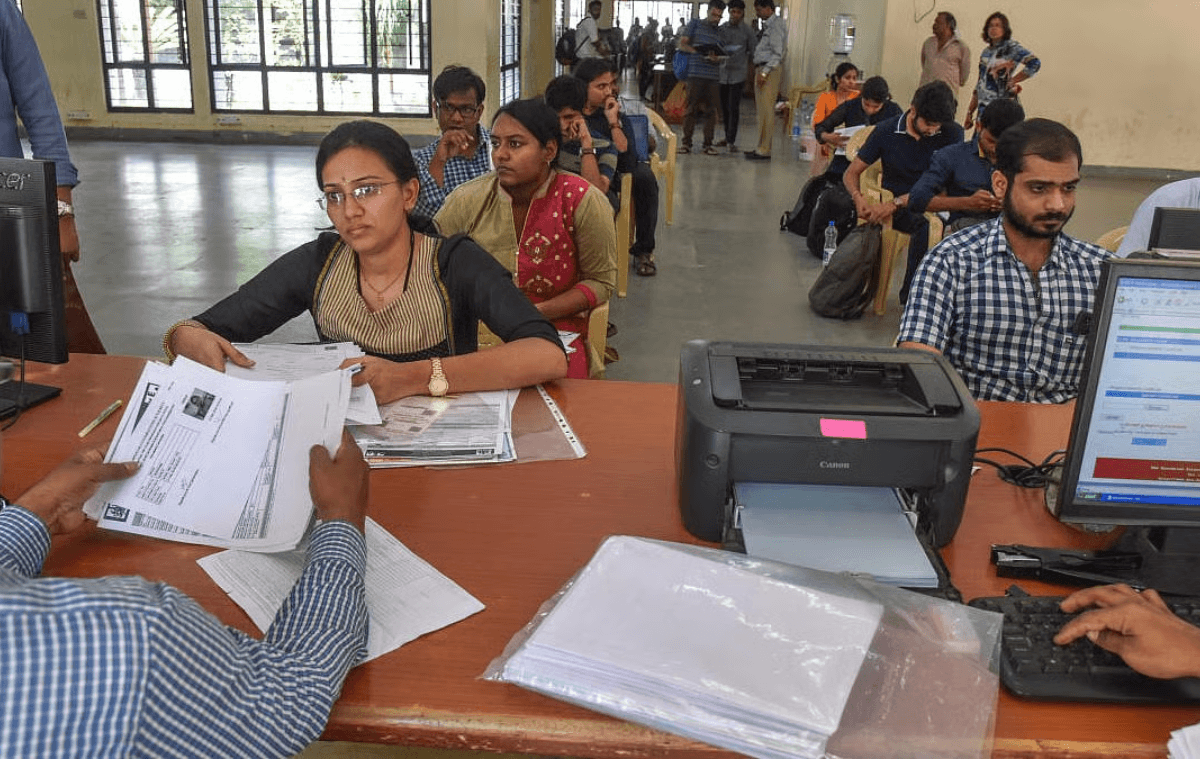
The recent decision by the Central Government to reject the NEET Exemption Bill has far-reaching consequences for medical aspirants in Tamil Nadu. This outcome directly affects students who are now left with fewer avenues to pursue their medical education without the pressures associated with competitive entrance exams. Medical aspirants who were counting on the exemption to facilitate a smoother admission process are now faced with the reality of preparing for NEET, a highly competitive examination that many believe is laden with emotional and financial challenges.
The financial strains are particularly pertinent; many families in Tamil Nadu invest significant resources in coaching centers and study materials to prepare their children for NEET. The rejection of the bill mandates that students focus on a single high-stakes exam, compelling parents to reassess their financial commitments for preparation. The emotional burden is equally notable, as the stress of preparing for a central examination can lead to anxiety and burnout among students. The government’s decision may aggravate these challenges, as students feel the pressure of performing well to secure limited medical seats across India.
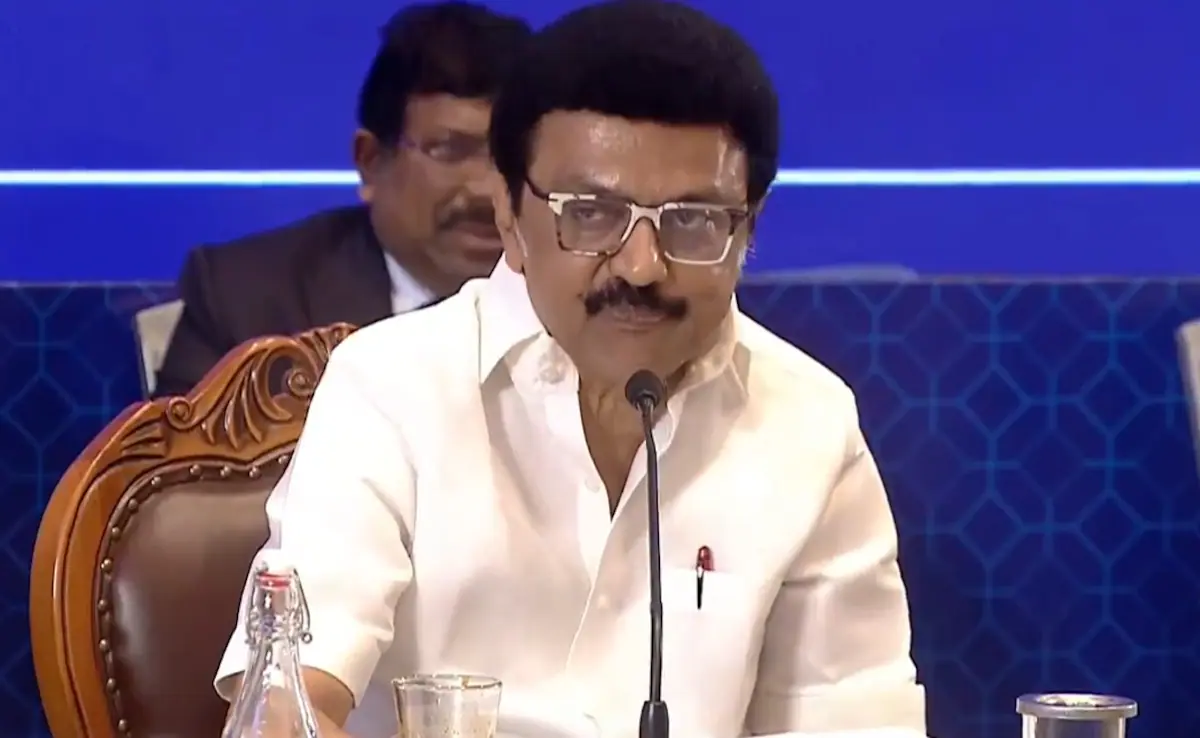
In response to this development, there has been a notable outcry from various stakeholders in Tamil Nadu, including educators, students, and political leaders. Many educators express concern about the potential dip in morale among students, while politically, leaders may seize this opportunity to rally support for alternative educational policies that address local aspirations. The ongoing discourse reflects a deep-seated desire for a system that recognizes the unique educational landscape of Tamil Nadu, which historically emphasizes different approaches to learning and admission criteria.
Ultimately, the rejection of the NEET Exemption Bill signifies potential changes in future admissions processes and broader educational policies in Tamil Nadu, prompting stakeholders to navigate these implications carefully. The focus now shifts to how local leaders and communities will respond to this decision and advocate for the best interests of their students moving forward.
Potential Future Developments and Responses
The rejection of the NEET Exemption Bill by the Central Government marks a significant setback for Tamil Nadu, raising questions about the future implications for medical admissions in the state. One of the immediate potential responses from the Tamil Nadu government could be the exploration of legal avenues to contest the central decision. This may involve filing petitions in the Supreme Court, arguing for the constitutional validity of the state’s right to legislate on educational matters. Successful legal challenges could not only redefine local educational policies but may also inspire similar actions in other states advocating for autonomy in medical admissions.
Responses from other states could vary, with some possibly aligning with Tamil Nadu’s stance on NEET exemption while others may support the Central Government’s decision to maintain a standardized examination process across India. This divergence may lead to a stronger regional discourse on educational reforms, potentially influencing national policy discussions. Policymakers in various states might also begin reassessing the effectiveness of NEET as the sole gateway to medical colleges, considering alternatives or modifications that better address local educational and demographic needs.
Furthermore, the growing role of public opinion and activism cannot be overlooked. As citizens express their views through various platforms, grassroots movements may emerge, advocating for the rights of students within the medical admission framework. Such activism can galvanize political engagement, prompting lawmakers to reassess their positions in light of constituents’ sentiments. Conversations surrounding the adequacy of NEET as an assessment tool will likely gain momentum, leading to broader discussions on necessary reforms within medical education policies. Stakeholders will need to mark their positions carefully as the landscape of medical admissions continues to evolve in response to these developments.