





In a significant incident concerning the National Eligibility cum Entrance Test (NEET), a prominent case has emerged involving a candidate whose score dramatically fell from 520 to 85. This unexpected revision of results has not only raised questions about the integrity of the examination process but also about the measures taken by the National Testing Agency (NTA) to ensure accurate scoring.
The aspirant, who had initially performed well, was left in shock when his scores were altered after the results were announced. The drastic change has profound implications for the student, who now faces uncertainty regarding their future in the medical field. Such discrepancies can severely affect a student’s opportunities for pursuing higher education and can lead to significant emotional distress.
Understanding this case is crucial, as it underscores the potential flaws within the examination system. The inconsistency in NEET scores highlights the critical need for transparency and accountability from the NTA, given that examinations significantly determine the educational paths of aspiring medical professionals. The examination body has a responsibility to uphold the fairness of the testing process and to provide all candidates with the confidence that their results accurately reflect their capabilities.
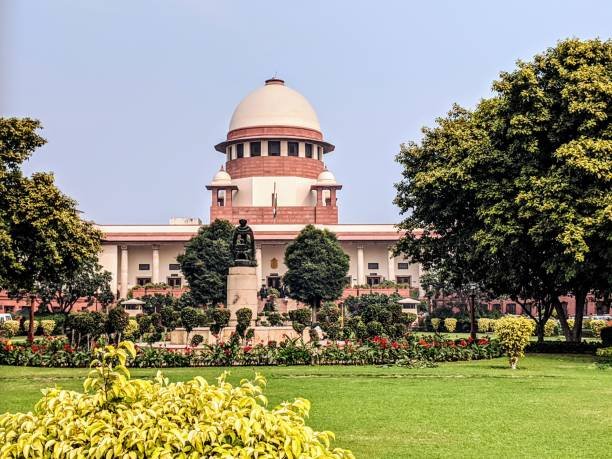
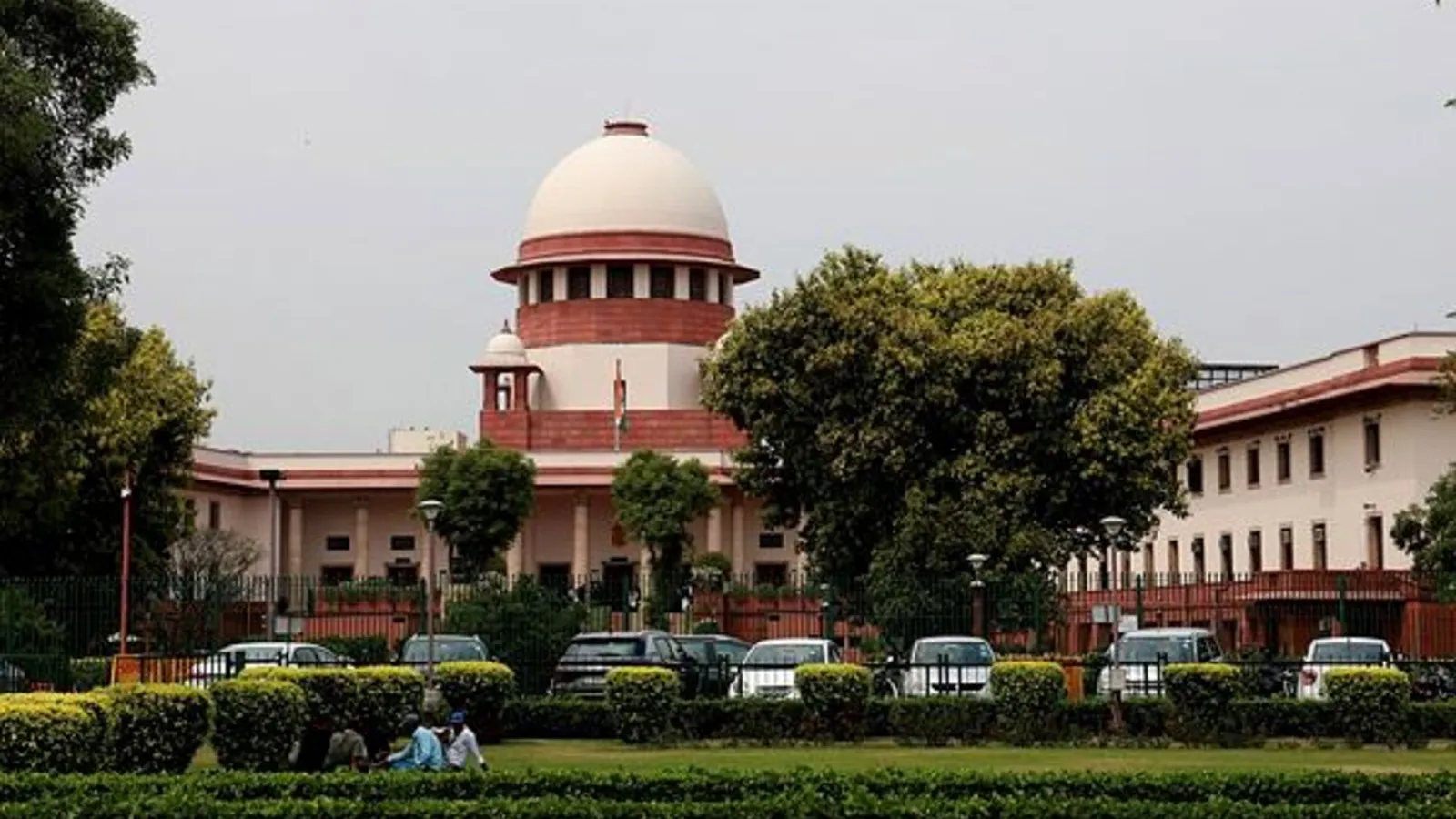
The High Court’s recent order instructing the NTA to furnish the original Optical Mark Recognition (OMR) sheet of the student is a vital step toward rectifying this situation. This order aims to address not only the immediate concerns of the candidate involved but also to bring to light any systemic issues that might contribute to such score discrepancies. As the public and stakeholders await the outcomes of this case, it serves as a critical reminder of the importance of precision and vigilance in the examination processes.
Understanding NEET and Its Scoring System
The National Eligibility cum Entrance Test (NEET) is a highly significant examination conducted in India for students aspiring to pursue undergraduate medical and dental courses. This central examination serves as a gateway for students who wish to secure admission in prestigious medical institutions across the country. The primary objective of NEET is to ensure a standardized and fair assessment of candidates, thereby enabling the selection of the most deserving individuals based on their aptitude and knowledge in the medical sciences.
The scoring system of NEET plays a crucial role in determining a student’s eligibility for admission into various medical colleges. Each candidate’s performance is evaluated based on a set of multiple-choice questions, which are drawn from the subjects of Physics, Chemistry, and Biology. The NEET exam is graded on a scale, where each correct answer awards the candidate a certain number of points, while incorrect answers may incur a penalty through negative marking. This system is designed to reflect not only the knowledge of candidates but also their skill in navigating the complexities of the examination format.
Accurate scoring is paramount as it can significantly influence a student’s future. A discrepancy in NEET scores could lead to a range of consequences, including the denial of admission opportunities or a misrepresentation of a student’s capabilities. Understanding how the scoring works, as well as the importance of transparency in the evaluation process, is essential for students and educators alike. The recent developments, including the High Court’s directive for the National Testing Agency (NTA) to provide access to the original OMR sheets, underscore the importance of accountability in the evaluation processes governing such high-stakes examinations.
The Role of the High Court in Educational Disputes
Judicial oversight plays a critical role in maintaining the integrity of examination processes, particularly in cases where disputes arise regarding assessments. Educational institutions and examining bodies are expected to conduct evaluations fairly and transparently, adhering to established protocols. When discrepancies are suspected, such as those noted in the National Eligibility cum Entrance Test (NEET) scores, the judiciary can intervene to ensure accountability. This is where high courts often come into play.
In instances like the recent calling for the review of NEET scores, aspirants may feel compelled to challenge the results due to concerns about accuracy. It is within their rights to seek legal recourse when they believe that procedural irregularities have occurred. The high court, as a superior judicial authority, provides a platform for individuals to express their grievances against educational boards or bodies such as the National Testing Agency (NTA). Through legal petitions, aspirants can argue for their right to obtain original documents, such as OMR sheets, which are crucial for understanding their performance in the examination.
In this particular case, the high court’s decision to order the NTA to provide the original OMR sheet reflects an intent to promote transparency and fairness in the examination process. The court aims to address the competition’s legitimacy and the examination’s credibility. Assessing educational disputes involves weighing the rights of individuals against the regulations and procedures set by educational bodies. Thus, the court’s rationale often hinges on establishing whether there was a failure in compliance with these regulations, potentially leading to wrongful assessments.
Ultimately, the high court acts as a mediator in these disputes, ensuring that the concerns of students are adequately addressed and prompting educational authorities to uphold their responsibilities. By doing so, it protects the rights of students and maintains the integrity of the examination process, reinforcing trust in the education system as a whole.
Implications for NEET Aspirants and Educational Institutions
The case surrounding the discrepancy in NEET scores has raised significant concerns for both aspirants and educational institutions. As students prepare for one of the most competitive examinations in the country, the integrity of the testing process becomes paramount. The recent directive by the High Court for the National Testing Agency (NTA) to provide the original OMR sheet underscores the need for transparency in evaluation methods. This incident may potentially erode the confidence of students and parents in the credibility of the examination process.
First and foremost, NEET aspirants are directly affected by this situation. Many students invest substantial time and resources in preparing for this pivotal exam, which plays a critical role in their future medical careers. The fear of discrepancies can lead to anxiety and mistrust among aspirants. If examination results can be questioned, it poses a risk to students’ educational trajectories and their subsequent access to higher education. Hence, it is essential for educational institutions to advocate for a reliable examination system, ensuring that the evaluations accurately reflect true student performance.
From a broader perspective, this incident might prompt educational institutions to reevaluate their admission processes and the reliance on standardized test scores. While NEET remains a crucial benchmark for aspiring medical students, the call for reforms is growing louder. Stakeholders may consider implementing more comprehensive evaluation measures, such as continuous assessment or interviews, to supplement examination outcomes. Furthermore, fostering an environment of transparency and accountability can not only restore trust among NEET candidates but also enhance the overall educational system.
In conclusion, the implications of the NEET scoring discrepancies extend far beyond individual students; they impact the integrity of educational institutions and the very framework of evaluations in the medical field. By addressing these concerns and advocating for necessary reforms, a more reliable and transparent system can be established, paving the way for future aspirants to pursue their medical dreams confidently.