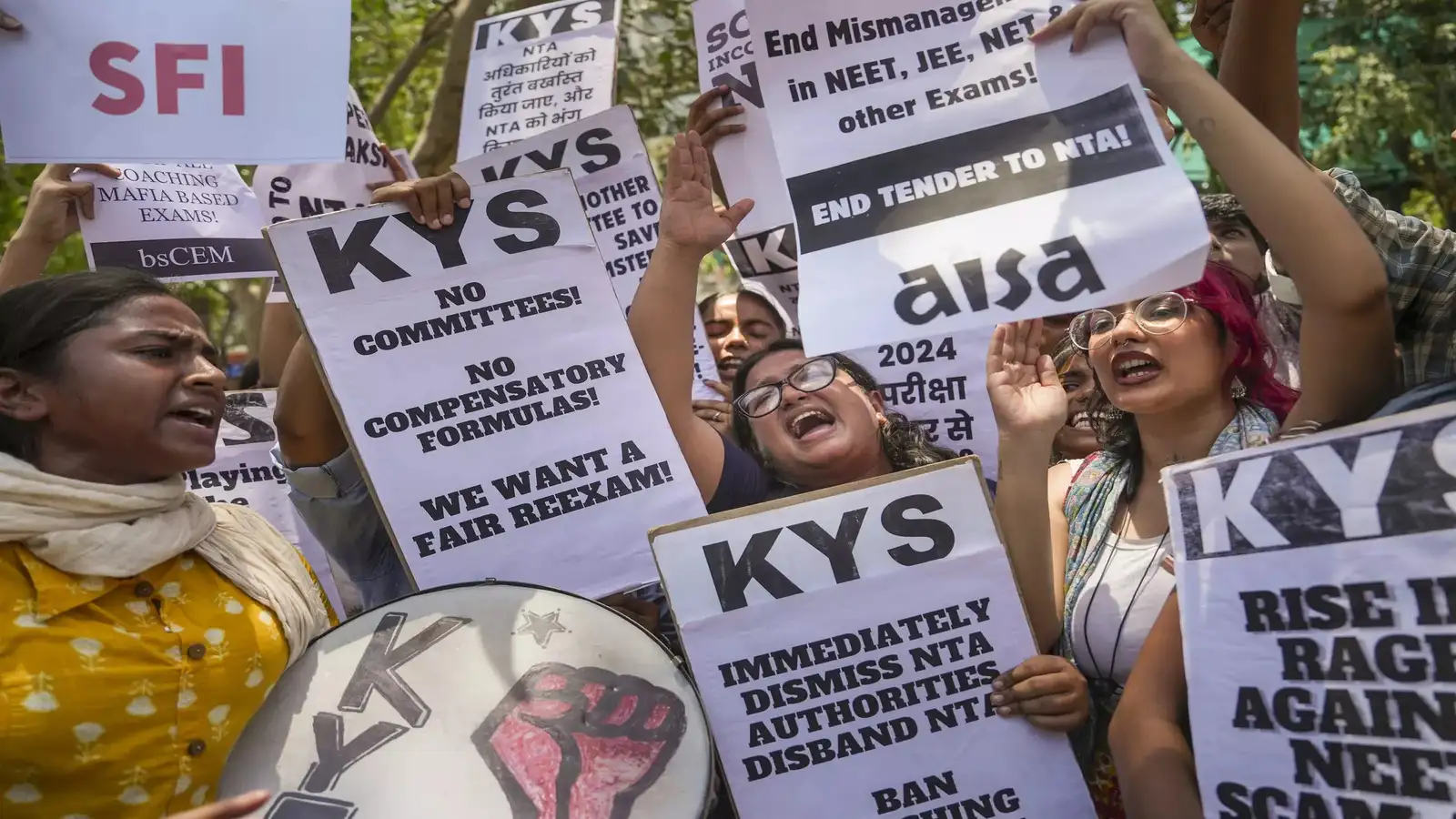




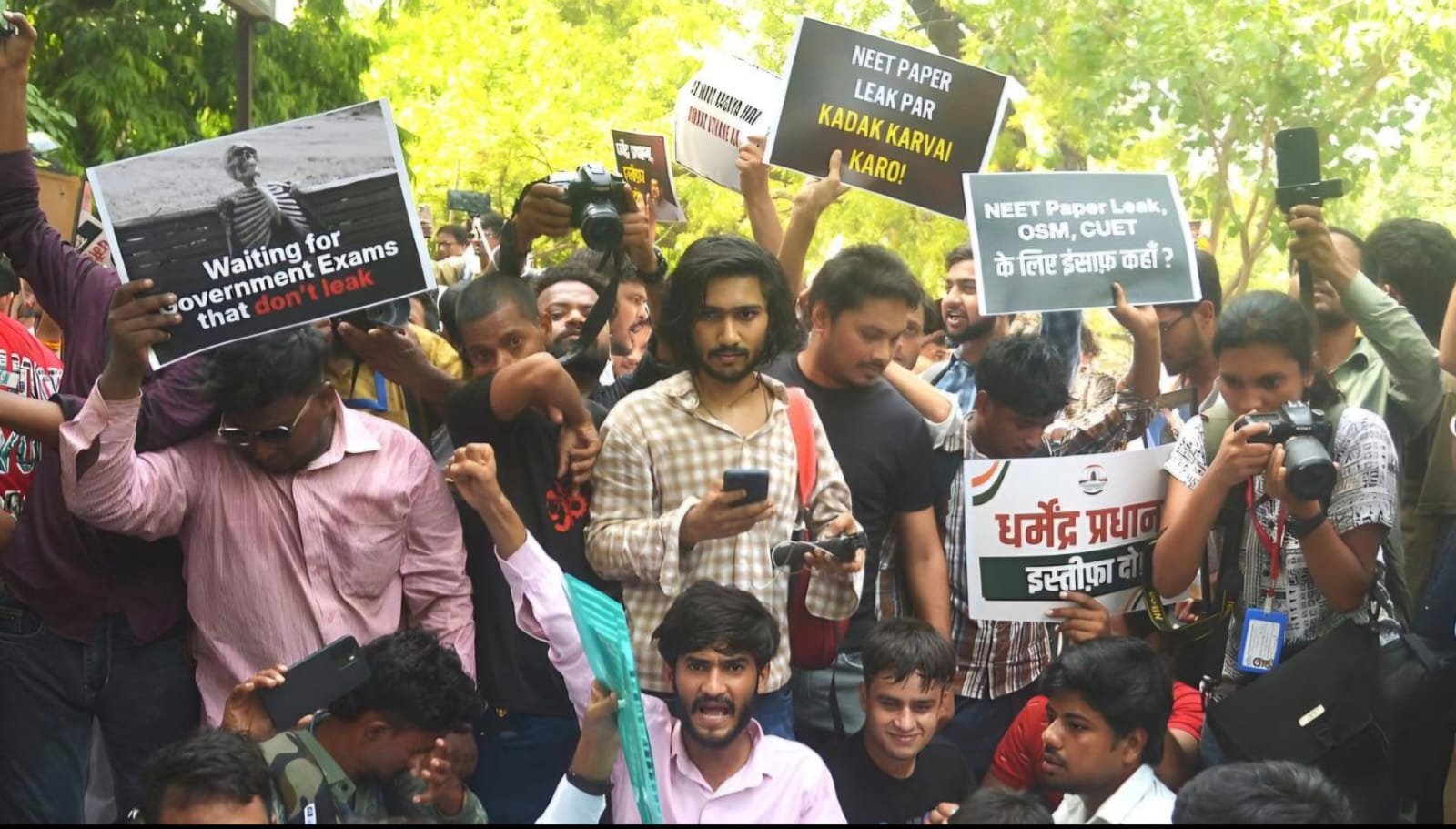
NEET The National Eligibility cum Entrance Test (NEET) protests in Bihar and Assam were driven by a myriad of factors that sparked significant unrest among students in these regions. One of the primary reasons revolved around the scheduling of the NEET examination, which many students found to be inconvenient. The announcements regarding exam dates often conflicted with local festivals or other state examinations, leading to considerable frustration among aspiring medical students who felt they were being unfairly sidelined.
Additionally, concerns regarding the fairness and accessibility of the NEET process became increasingly prominent. Students from economically weaker sections and rural backgrounds highlighted the challenges they faced in preparing for a standardized test perceived as favoring students from more urbanized and affluent environments. These disparities in preparation resources led to accusations of systemic inequity, which exacerbated their collective dissatisfaction.
The protests saw a significant mobilization of student unions, which played a crucial role in voicing the grievances of the student community. These organizations organized rallies and peaceful demonstrations, aimed at attracting attention to their plight and pressuring government authorities to reconsider the management of the NEET examination process. Some protests, however, escalated into confrontations with law enforcement, resulting in tensions between demonstrators and the police.
In an attempt to restore order, government responses varied, ranging from dialogues with student leaders to deploying police forces to disperse large gatherings. The protests also drew national attention, highlighting the broader issues of educational inequalities and the need for reform in entrance examination processes. Such actions not only emphasized the students’ demands for a reconsideration of NEET’s framework but also spurred a national debate on accessibility and fairness in education, further amplifying the discussions initiated by the protests.
Details of the Withdrawal of Cases
Recently, the governments of Bihar and Assam announced a significant shift in their approach regarding the legal cases filed against students who participated in the protests related to the National Eligibility cum Entrance Test (NEET). A total of 200 cases in Bihar and 150 cases in Assam that were initiated due to incidents of unrest during the protests have been officially withdrawn. This decision marks a notable response to the growing concerns voiced by various stakeholders about the implications of prosecuting students for engaging in peaceful demonstrations.
The withdrawal of these cases is rooted in a desire to foster a more supportive environment for students. Officials from both state governments cited the importance of acknowledging the pressures faced by young learners during a challenging examination process as a core reason for this decision. Many student representatives argued that the protests were a legitimate expression of their frustrations regarding the NEET-related issues, which included concerns over the examination’s fairness and accessibility. Recognizing this, the governments opted to take a more conciliatory approach.
Responses from student leaders and representatives following the announcement have been generally positive. They expressed relief that the state has chosen not to pursue legal action against students, emphasizing that the protests stemmed from a place of concern for educational equity. Furthermore, representatives urged for ongoing dialogue with the authorities to address the fundamental grievances surrounding the NEET examination, rather than resorting to punitive measures. This move could potentially pave the way for further constructive conversations between the government and the student community, underscoring the importance of cooperation in resolving educational issues.
Reactions from Students and Education Activists
The recent decision by the governments of Bihar and Assam to withdraw cases linked to the protests related to the National Eligibility cum Entrance Test (NEET) has elicited a range of responses from students, parents, and education activists. Many students who participated in the protests view this move as a significant step towards reconciliation. They believe that the withdrawal not only alleviates the legal burdens they faced but also acknowledges their concerns regarding the NEET examination process.
Students like Priya Singh, a NEET aspirant from Bihar, expressed relief, stating, “This decision shows the government is listening. We were fighting for our rights, and now we feel validated.” Such testimonials highlight the emotional and psychological relief among students, emphasizing how crucial this decision is for their mental well-being and academic future. Parents also echo these sentiments; many have voiced their support, seeing this development as an opportunity for dialogue between students and state authorities.
Education activists are welcoming this decision but caution that it should be only the beginning of more significant reforms within the education sector. They argue that while the withdrawal of cases is essential, it must be accompanied by structural changes to the NEET system itself to address the issues of accessibility and fairness in examinations. Activist Rajesh Sinha commented, “This could set a precedent for student activism. It reflects the importance of voicing concerns and taking collective action. However, we must continue advocating for more systemic changes in educational policies across India.”
The implications of this development extend beyond Bihar and Assam, highlighting a growing trend of student engagement in policymaking in India. It signifies a potential shift towards acknowledging the voices of young individuals in governance and education reform.
Implications for Future Educational Policies
The recent decision by Bihar and Assam to withdraw cases related to the protests against the National Eligibility cum Entrance Test (NEET) has significant implications for the future of educational policies in India. This development reflects a growing awareness of the need for reforms in the examination process, ensuring that it is not only fair but also considerate of the student body’s rights and concerns. NEET, as a central entrance exam, has often been at the center of a heated debate about its accessibility and the pressures it places on students from diverse backgrounds.
In light of this event, policymakers may be prompted to re-evaluate the existing protocols governing entrance examinations. As students express their grievances regarding NEET and similar high-stakes assessments, there is a clear indication that reforms are necessary. Future educational policies could potentially focus on the creation of a more transparent and inclusive examination framework that prioritizes student welfare and addresses systemic issues such as socio-economic disparities in education.
The government’s approach to student protests is also under scrutiny, as the withdrawal of cases may signify a shift towards more dialogue-focused engagement with youth grievances. This provides an opportunity for educational institutions and authorities to foster a culture of collaboration rather than confrontation. Emphasizing the importance of student voices in shaping educational policies could lead to a more balanced approach in governance.
Moreover, as experts observe, this incident may reflect broader trends in education and governance in India. The growing assertiveness of student bodies indicates a demand for accountability and transparency from authorities. Therefore, as educational policies evolve, it will be essential for stakeholders to consider these emerging dynamics and incorporate them into comprehensive reform strategies.