



The National Eligibility cum Entrance Test (NEET) is a vital examination in India, serving as a gateway for students aspiring to pursue undergraduate medical programs. Conducted by the National Testing Agency (NTA), NEET is designed to assess the knowledge and skills of candidates in subjects such as Biology, Chemistry, and Physics. This standardized test plays a significant role in streamlining the admission process for various medical colleges across the country, ensuring that only qualified candidates gain access to medical education.
Supreme Court Upholds Validity of Additional NEET
To be eligible for NEET, candidates must meet certain criteria. Typically, students must have completed their class 12 or equivalent education, with a minimum percentage in Physics, Chemistry, and Biology. In addition, age restrictions are in place, requiring candidates to be at least 17 years old by the time of admission. The examination is open to Indian nationals, Non-Resident Indians (NRIs), and Persons of Indian Origin (PIO), ensuring a wide range of applicants can compete for limited medical seats.
Qualifying for NEET is paramount for medical aspirants, as it directly influences their prospects of admission into undergraduate medical programs. The significance of this examination cannot be overstated, as it not only reflects a candidate’s academic competence but also helps maintain the quality of medical education in India. In the past, eligibility norms varied, resulting in confusion among prospective students. However, recent changes and the Supreme Court’s upholding of additional qualifications have provided clarity and structure to the admission process, enhancing fairness and accessibility for aspiring medical professionals.
Through NEET, the government aims to create a level playing field for all candidates, which is crucial for the overall integrity of India’s medical education system. The emphasis on a centralized examination allows for transparency in admissions, ultimately benefiting the healthcare landscape by ensuring that competent individuals enter the field.
The Supreme Court Ruling Explained
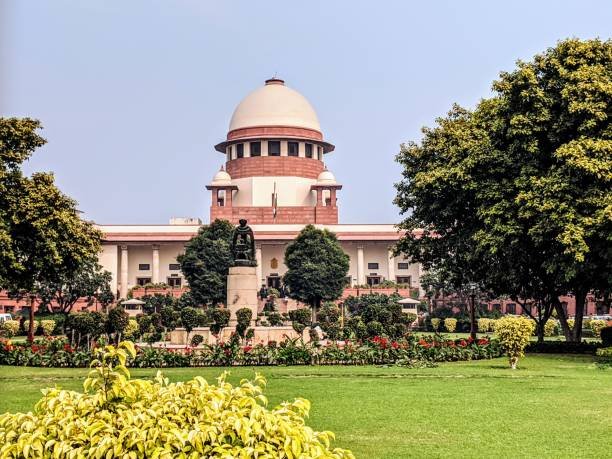
Supreme Court Upholds Validity of Additional NEET : Recently, the Supreme Court delivered a significant ruling concerning the validity of additional qualifications for the National Eligibility cum Entrance Test (NEET). This decision arose from a contentious legal battle regarding whether certain supplemental qualifications should be considered in assessing medical aspirants’ eligibility to participate in the NEET examination. The backdrop of this case involved numerous challenges by various groups, advocating for a re-evaluation of the stipulated qualifications that candidates must meet to sit for NEET.
During the hearings, the two primary sides presented compelling arguments. Proponents of the additional qualifications argued that these standards ensure only the most competent and well-prepared candidates enter the medical field. They emphasized that supplementary qualifications help improve the overall quality of medical education and practice in the country. On the other hand, opponents raised concerns regarding the fairness and accessibility of the NEET examination, suggesting that the imposition of extra qualifications may disadvantage deserving candidates, particularly from underprivileged backgrounds. This dilemma highlighted the delicate balance that must be struck between maintaining high educational standards and ensuring equitable opportunities for all students.
The Supreme Court’s ruling ultimately validated the additional qualifications, declaring them a legitimate requirement. The legal implications of this decision are substantial, as it reinforces the authority of educational regulatory bodies to implement standards they deem necessary for maintaining quality in medical education. However, this ruling also raises questions about the future landscape of NEET and its impact on students. Current and future medical aspirants may need to navigate this evolving framework of qualifications, potentially shaping their preparation strategies and career aspirations. The ruling marks a pivotal moment in educational law, emphasizing the need for ongoing discourse around the balance of rigor and inclusivity in medical education.
Reactions from Stakeholders
The recent Supreme Court ruling affirming the validity of additional qualifications for the National Eligibility cum Entrance Test (NEET) has elicited mixed reactions from various stakeholders in the medical education landscape in India. Medical aspirants, who are directly affected by this decision, have voiced a range of opinions. Many students perceive this ruling as a significant step towards ensuring a more comprehensive evaluation of their capabilities. This perspective stems from their belief that additional qualifications can provide a more holistic view of their readiness for a demanding medical career. Other aspirants, however, express concerns that the decision might introduce unnecessary complexities into the already challenging admission process.
Educational institutions have also weighed in on the implications of the Supreme Court ruling. Some institutions welcome the decision, arguing that the inclusion of additional NEET qualifications aligns with global standards of medical education and assessment. They believe this could lead to enhanced quality of future medical practitioners in India. Conversely, certain institutions foresee potential drawbacks, highlighting that the increased emphasis on additional criteria could create disparities among students, potentially leading to an inequitable selection process based on their previous qualifications.
Legal experts have provided an essential perspective on the broader implications of this ruling within the Indian judicial framework. Some legal analysts posit that this decision is a testament to the judiciary’s role in shaping educational policies, particularly in the realm of medical admissions. They suggest that such a ruling could pave the way for future reforms in the NEET process. However, other experts caution that the decision might set a controversial precedent regarding the authority of educational bodies in determining qualifying criteria. Overall, the reactions reflect a complex interplay of hopes, concerns, and expectations regarding the future of medical education in India, illustrating the multifaceted nature of this pivotal ruling.
The Future of NEET and Medical Education in India
The recently upheld validity of additional qualifications for the National Eligibility cum Entrance Test (NEET) by the Supreme Court marks a significant turning point in the landscape of medical education in India. This ruling not only validates existing procedures but also opens the door to envisioning a reformed medical admissions process that prioritizes accessibility and fairness for all aspirants. Moving forward, it is crucial to assess how these changes will shape the future trajectory of NEET and the overall medical education framework in India.
One possible reform that may emerge from this ruling is the integration of a more comprehensive evaluation system in NEET. Stakeholders in the educational sector could consider the implementation of holistic assessment models that emphasize not just academic performance but also practical skills and emotional intelligence. This shift could potentially address long-standing criticisms regarding the narrow focus of the traditional examination model, thus fostering well-rounded medical professionals better equipped for the demands of healthcare.
Furthermore, policymakers must collaborate with educational institutions to enhance resource allocation and infrastructure. By addressing disparities in access to coaching and preparatory services, stakeholders can work towards an equitable admissions process that does not disadvantage students based on their socio-economic backgrounds. It is imperative to increase awareness about available opportunities and support systems for underprivileged aspirants seeking to navigate the medical education landscape.
Students, too, should be proactive in seeking guidance and staying informed about the evolving NEET framework. Engaging with mentors and utilizing technological advancements in learning will be essential as they prepare for this increasingly competitive arena. The recent Supreme Court ruling serves as an impetus for all parties involved in medical education in India to embrace change and foster a more inclusive and sustainable future.