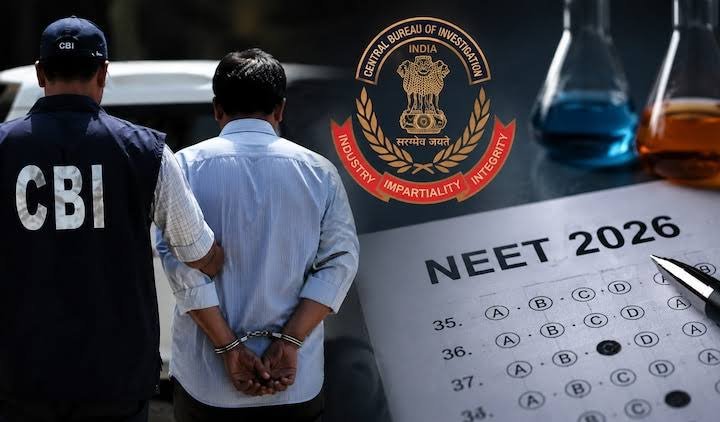





Digital Question Papers : The National Eligibility cum Entrance Test (NEET) is a critical examination for aspiring medical students in India, serving as a gateway to undergraduate medical courses across the country. Conducted by the National Testing Agency (NTA), NEET plays a significant role in determining the eligibility and ranking of candidates striving to gain admission into prestigious medical institutions. The examination primarily assesses students’ knowledge in subjects such as Physics, Chemistry, and Biology at the senior secondary level, focusing on their problem-solving and analytical skills essential for a medical career.
The structure of NEET comprises a single-stage examination format, wherein candidates are presented with multiple-choice questions (MCQs) covering the aforementioned subjects. The current format allows a total of 180 questions, with Biology encompassing 90 questions and the remaining 90 divided evenly between Physics and Chemistry. Each correct answer earns students four marks, while one mark is deducted for each incorrect response. Candidates are permitted to attempt the examination a maximum of three times, a limitation that raises significant concerns regarding the pressure and stress experienced by students. Given the competitive nature of this examination, the emotional and psychological challenges can be overwhelming, leading to heightened anxiety and fatigue among candidates.
The Proposal for Digital Question Papers
The transition to digital question papers for the National Eligibility cum Entrance Test (NEET) presents a significant opportunity for enhancing the examination process. One of the primary advantages of adopting a digital format is the increased accessibility it provides. Digital exams can be administered across various platforms, allowing candidates in remote areas to participate without the constraints associated with traditional paper-based assessments. This ensuring inclusivity for all potential candidates, leading to a more diverse pool of future medical professionals.
Another key aspect of digital question papers is the ability to tailor the examination to accommodate different learners’ needs. For instance, features such as adjustable font sizes, color contrast options, and audio support can be integrated into the digital format. These adaptations would allow candidates with disabilities or specific learning requirements to demonstrate their knowledge on a more level playing field. Moreover, the flexibility of a digital interface can also facilitate customized testing environments, which can be particularly beneficial for those who may struggle with the traditional examination setting.
The implementation of digital systems opens the door to advanced evaluation metrics that can provide a more comprehensive assessment of a candidate’s performance. Digital platforms can utilize analytics to track response times, question difficulty, and patterns in errors, offering insights that can enhance teaching and learning strategies. Furthermore, securing a digital examination environment could incorporate technologies such as artificial intelligence and machine learning, which could aid in identifying areas where a student may need additional support or resources.
In summary, transitioning to digital question papers for NEET offers numerous advantages, from greater accessibility and adaptability to improved evaluation capabilities. By embracing technological innovations, the examination process can evolve, ultimately enhancing the experience for candidates, educators, and the healthcare system at large.
Limited Attempts: A Proposal for Fairness and Focus
The idea of limiting attempts in the NEET examination has garnered significant attention, with advocates arguing that such a measure could promote fairness and enhance the overall quality of candidates entering medical colleges. The recommendation to cap attempts arises from the need to address the pervasive issue of excessive competition among aspirants. With an unrestricted number of attempts, the environment increasingly fosters a high-pressure atmosphere, which can lead to stress and anxiety among candidates. This stress can detract from their ability to perform to their full potential.
One of the primary arguments for limiting the number of attempts is that it can help focus a candidate’s preparation. Limiting attempts may encourage individuals to deeply engage with their studies rather than relying on multiple opportunities to clear the exam. This could lead to a more thorough understanding of the subject matter, ultimately resulting in better-prepared medical students. Additionally, the proposed limitation could reinforce the importance of critical thinking and problem-solving skills, as students would have to approach their studies with greater intention and focus, recognizing that their options are finite.
However, potential drawbacks exist that merit consideration. For instance, there are concerns regarding the psychological impact on students who may feel immense pressure to succeed within a limited timeframe. The fear of failure could dissuade some individuals from adequately preparing or may lead to adverse mental health outcomes. Furthermore, limiting attempts may disproportionately affect students from underprivileged backgrounds who may not have access to resources or coaching, thus widening the inequality gap in medical education.
In conclusion, while the proposal to limit attempts for the NEET exam presents an opportunity for a more balanced and equitable approach to medical admissions, it is essential that the implications of such a decision are carefully evaluated. Balancing the need for competition with student well-being will be crucial in implementing this change effectively.
Potential Challenges and the Road Ahead
The implementation of reforms in the National Eligibility cum Entrance Test (NEET) towards digital question papers and the limitation of attempts faces several potential challenges. A primary concern stems from resistance among key stakeholders, including educational institutions, students, and parents. The transition to digital formats may evoke apprehension concerning the reliability and security of online examinations. Students and parents may question whether technological infrastructure can adequately support such changes, particularly in rural or underserved areas where access to reliable internet may be limited.
Moreover, educational institutions may express concerns about the adequacy of training and resources necessary for both candidates and examiners. Comprehensive support systems must be established to ensure that all involved parties are proficient with the new digital platforms. Additionally, there remains a need to foster confidence in the digital examination process to prevent disparities in performance based on technological familiarity.
Another logistical concern is the requirement for an overhaul of existing examination frameworks. This includes the development of a robust technological infrastructure capable of handling potentially millions of candidates simultaneously while maintaining data integrity. The possible high costs associated with such infrastructural developments may further exacerbate resistance among some educational entities.
Despite these challenges, the road ahead presents significant opportunities. If stakeholders can collaboratively address these barriers, the future of NEET could be one marked by a more equitable and efficient examination process. Envisioning a scenario where all students, regardless of their geographical or socio-economic background, have equal access to high-quality assessments could redefine educational equity in India. Ultimately, the successful adoption of these reforms may pave the way for a more inclusive medical education system, promoting fairness and transparency.