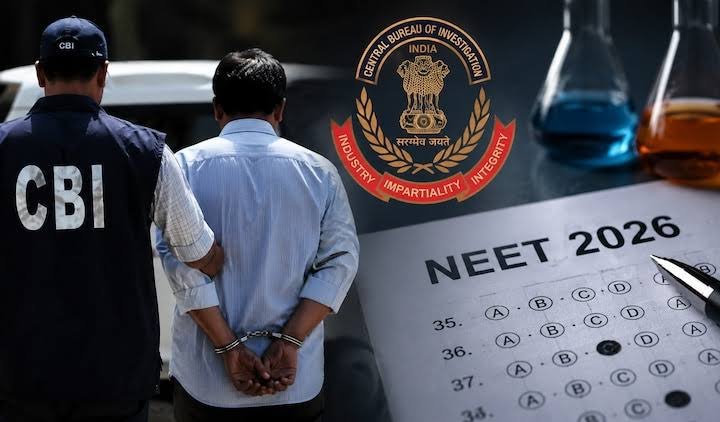
NEET UG 2026 The National Eligibility cum Entrance Test (NEET) UG is a pivotal examination for aspiring medical students in India, serving as a gateway to esteemed medical schools across the country. Each year, lakhs of candidates participate in this highly competitive exam, which assesses their knowledge in subjects such as physics, chemistry, and biology. The integrity of the NEET UG examination is crucial not only for maintaining fairness among contenders but also for ensuring that only the most qualified students gain admission into medical programmes.
Recently, the examination landscape was marred by an unsettling incident involving a paper leak concerning the NEET UG 2026 examination. The Central Bureau of Investigation (CBI) has revealed that three teachers contracted by the National Testing Agency (NTA) were implicated in this scandal. The CBI’s involvement underscores the severity of the situation, as it raises questions about the ethics of individuals entrusted with overseeing one of the most critical assessments in the educational domain.
The leak was discovered during a routine investigation aimed at ensuring transparency and adherence to protocols surrounding the examination process. Authorities detected irregularities that hinted at the unauthorized dissemination of exam materials prior to the scheduled date. This breach has sparked widespread concern among students, parents, and educational institutions, as it not only compromises the fairness of the examination but also potentially undermines the careers of diligent candidates who prepare rigorously for the test.
Immediate implications of this incident include heightened scrutiny of the examination processes and potential ramifications for the involved educators. Furthermore, it emphasizes the need for robust security measures and oversight mechanisms within educational institutions to prevent future occurrences of similar breaches, ensuring that integrity remains at the forefront of the examination process.
Details of the Investigation by CBI
The Central Bureau of Investigation (CBI) has undertaken a meticulous and comprehensive investigation into the recent NEET UG 2026 paper leak, which has raised significant concerns regarding the integrity of the examination process. The agency employed a combination of investigative techniques to uncover the details surrounding the leak, thereby ensuring a thorough understanding of the involved parties and methods.
Initially, the CBI conducted a series of interviews with various stakeholders, including students, guardians, and examination officials. These interviews served as a critical starting point, allowing investigators to gather preliminary information that could lead to further inquiry. Following this, an extensive surveillance operation was carried out, focusing on locations and individuals suspected of being involved in the leak. This approach enabled the CBI to monitor any suspicious activities and gather real-time evidence.
As the investigation progressed, the CBI identified three teachers who were contracted by the National Testing Agency (NTA) as key suspects in the case. These educators were reportedly responsible for maintaining the confidentiality of the examination materials and played a pivotal role in the leak. The CBI was able to gather concrete evidence against them, which included electronic correspondence and testimony from other individuals, linking them directly to the unauthorized dissemination of examination details.
The collaboration of technology in the investigation was also vital. The use of digital forensics allowed the CBI to trace communications and identify any illicit transactions that occurred prior to the leak. Additionally, document analysis enabled the investigators to establish a timeline of events and better understand how the examination materials were compromised.
Through these multifaceted approaches, the CBI aims not only to hold the involved teachers accountable but also to strengthen the mechanisms that safeguard against such occurrences in the future. As the investigation unfolds, the CBI remains committed to ensuring that fairness in the NEET UG selection process is upheld, thereby restoring public trust in the educational assessments conducted by the NTA.
Consequences and Reactions to the Leak
The recent leak of the NEET UG 2026 examination papers has prompted significant consequences for the individuals involved and raised serious questions about the integrity of the National Testing Agency (NTA). Three teachers, contracted by the NTA, have been implicated in the scandal. As a result, these individuals are likely to face severe disciplinary actions, including termination of their contracts, legal repercussions, and reputational damage, which may hinder their future employment opportunities in the educational sector.
For the NTA, this incident poses a substantial challenge to its credibility and operational procedures. Given the agency’s role in conducting high-stakes examinations in India, the leak raises concerns over its ability to maintain security and confidentiality in testing operations. Consequently, the NTA may be compelled to re-evaluate its current protocols and implement stricter measures to prevent such incidents in the future. This may include enhancing security during paper preparation and ensuring a more rigorous vetting process for contracted personnel.
The leak’s ramifications extend beyond the implicated individuals and the NTA, significantly affecting the students who prepared for this pivotal exam. The trust in the examination process has been severely compromised, leaving candidates anxious about the validity of their efforts. Students and their families may feel demoralized, leading to increased pressure during this already stressful period. Furthermore, the examination’s credibility could result in a diminished public perception of the NEET UG, prompting calls for reform within the examination system.
Reactions from educational authorities have been swift, with many calling for an inquiry into the circumstances surrounding the leak. Student organizations have also expressed their outrage, demanding accountability and transparency from the NTA. The general public’s sentiment is one of disappointment, with widespread calls for stricter regulations to safeguard the integrity of future examinations. This incident serves as a call to action for all stakeholders involved to prioritize examination security and restore confidence in the education system.
Preventive Measures and Future Steps
The recent uncovering of the NEET UG 2026 paper leak by the Central Bureau of Investigation (CBI) has raised significant concerns regarding the examination process’s integrity. To address such vulnerabilities in examination systems, it is necessary to implement comprehensive preventive measures that encompass stricter controls and regulations. Ensuring the examination process is robust can substantially mitigate the risk of future incidents.
One key step is to enhance the vetting process for personnel involved in examination logistics, particularly for those contracted by the National Testing Agency (NTA). Background checks should extend beyond criminal records to assess any historical malpractices in similar roles, thereby ensuring that only individuals with a proven track record of integrity are involved in examination procedures. Additionally, providing specialized training for educators and administrators on ethical standards and reporting suspicious activities can create an environment that prioritizes accountability.
Incorporating technology into examination security further strengthens the overall integrity of the testing process. Advanced biometric systems, such as fingerprint and facial recognition, can be used to validate the identity of individuals involved in the examination process. Furthermore, using secure digital platforms for paper distribution and administration minimizes the risk of unauthorized access to examination materials.
Transparency plays an equally important role in maintaining public confidence in examination systems. The NTA should adopt practices that allow stakeholders, including candidates and educational institutions, to have insight into processes affecting examination security. Regular audits and reports about examination administration could help reassure the public that the systems in place are effective.
By adhering to these preventive measures and fostering an environment of transparency and accountability, the NTA can work towards restoring trust and ensuring the integrity of future examinations, ultimately safeguarding the interests of all candidates involved.