






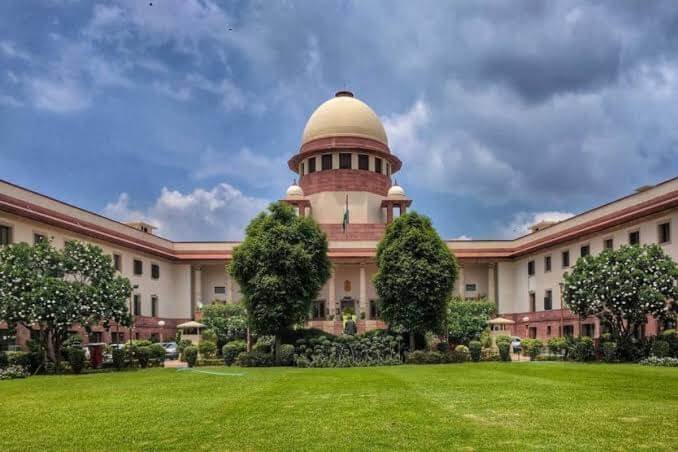
When the Supreme Court asks the Union government, often called the Centre, to respond to a petition, it is generally inviting the government to place its position on record. The request may arise after the judges have considered the petitioner’s submissions and decided that a response could assist their examination. It is part of the court process, rather than a final ruling on the issues.
The Centre may be asked to file a written reply by a specified date, (Supreme Court) explain relevant laws or policies, or address particular questions identified by the bench. In some matters, the Court may also ask other parties to respond, seek documents, or list the case for a later hearing. The order itself sets out what is required, so its wording matters.
A request for a response does not establish that the Court agrees with the petitioner, considers the challenge valid, or is likely to grant the relief sought. Nor does it, on its own, indicate that the government has acted unlawfully. Courts often seek submissions from those affected before deciding whether a petition raises issues requiring further consideration. At this stage, the claims remain to be examined.
The practical significance therefore depends on the case, the questions raised, and any directions accompanying the request. The Court might be seeking clarification on a legal issue, information about the government’s position, or a response to specific allegations. It may later hold further hearings, issue interim directions, dismiss the petition, or decide the merits, depending on the record and applicable law. The request alone does not determine which course it will take.
For readers following a case, the next development is the government’s filing and any hearing or order. Reports should therefore be read alongside the directions, rather than treating the request as a prediction of the outcome. The procedural step signals that the Court is continuing its consideration.
Once the Supreme Court seeks the Centre’s response, the government generally begins by examining the petition, the Court’s order, and the relevant record. Officials identify the issues raised and the materials needed to address them, which may include earlier decisions, administrative documents, statutory provisions, or information about how a policy was implemented. The process is not simply a matter of preparing a general statement: the reply should respond to the questions and directions contained in the Court’s order.
The responsible ministry or department may coordinate with other government authorities where the dispute concerns shared responsibilities, specialist information, or actions taken by more than one body. The Centre’s legal representatives then work with the relevant officials to assess the petition’s factual claims and legal arguments. Depending on the case, the response may dispute the facts, explain the government’s position, raise an issue about the Court’s jurisdiction, or address whether the relief requested is appropriate. It may also clarify the practical or legal consequences of granting that relief.
The position is commonly placed before the Court through an affidavit or another formal submission, prepared and filed in accordance with applicable court rules and directions. The filing may set out the government’s account, support it with relevant documents, and answer specific questions raised by the petition or the Court. The Court may prescribe a deadline, seek additional records or clarification, or allow the parties to make further filings after reviewing the response. A reply does not necessarily resolve the dispute; it provides the Centre’s position for the Court’s consideration alongside the petitioner’s case. The exact steps, format, and timetable vary according to the nature of the proceedings and the directions issued in each case.
Once the Centre files its reply, the Supreme Court may place it alongside the petition and other materials already on record. The judges can examine the government’s account of the relevant facts, its legal position, and any documents or explanations it provides. That response becomes part of the material before the Court, but it does not determine the outcome by itself. Petitioners’ arguments, the governing law, the evidentiary record, and any constitutional or statutory issues may also shape how the matter is assessed. The Court may consider whether the reply answers the questions raised, leaves points unresolved, or calls for further examination.
Depending on the case and its procedural stage, the Court may hear oral arguments from both sides. Petitioners may respond to the Centre’s position, while government counsel may explain or clarify it. Judges may ask questions about the facts, the scope of the relief requested, or how a legal rule applies. If information remains incomplete, the Court may seek clarification or invite additional written submissions from one or more parties. It may also request relevant records, submissions from other stakeholders, or assistance on a specific issue, where permitted by the applicable procedure. These steps can help define the questions requiring decision without resolving them immediately.
The Court may issue interim directions if it considers temporary measures necessary while proceedings continue; such directions do not necessarily settle the underlying dispute. It could identify a legal question that warrants fuller consideration, including referral to a larger bench if appropriate. Alternatively, after considering the submissions and record, it may decide whether the matter should proceed further. The available course depends on the issues presented, applicable procedure, and the judges’ assessment of the case. A request for the Centre’s response therefore marks a step in the Court’s consideration, rather than a predetermined decision.
When the Supreme Court asks the Centre to respond, the exchange can make an important contribution to accountability and informed decision-making. The government may be directly affected by the dispute, responsible for implementing the relevant policy, or able to explain the legal and administrative context. Requiring its position on the record allows the Court and other parties to address the government’s arguments rather than speculate about them. Public filings can also help observers understand which issues are contested and what material the judges may consider.
However, a request for the Centre’s views is not itself a ruling on the merits. It does not establish that the Court has accepted the petitioner’s claims, found the government at fault, or decided how the law should be interpreted. An interim order is different: it may temporarily regulate conduct or preserve the position of parties while proceedings continue, though its scope depends on the order’s actual wording. A final judgment resolves the issues before the Court, subject to any further legal steps available. These stages should not be treated as interchangeable, and a request for a response alone may carry no immediate practical change.
Readers assessing a particular case should follow the details as they emerge. First, examine the wording of the Court’s order: does it merely seek a reply, set out questions, or impose any temporary direction? Next, note the filing deadline and whether the Centre submits its response on time. (Supreme Court) The reply’s contents can show the government’s legal position, factual claims, and any concessions, but those statements remain arguments for the Court to evaluate. The next hearing may clarify which issues require further submissions or consideration, while subsequent directions can shape the timetable and the parties’ obligations. News reports may summarize these developments, but the filed documents provide the clearest account. Without knowing the underlying dispute, the claims involved, and the precise terms of the order, it is not possible to assess confidently the legal significance or practical consequences of the Court’s request. The meaning of the exchange depends on those case-specific details and what happens next.