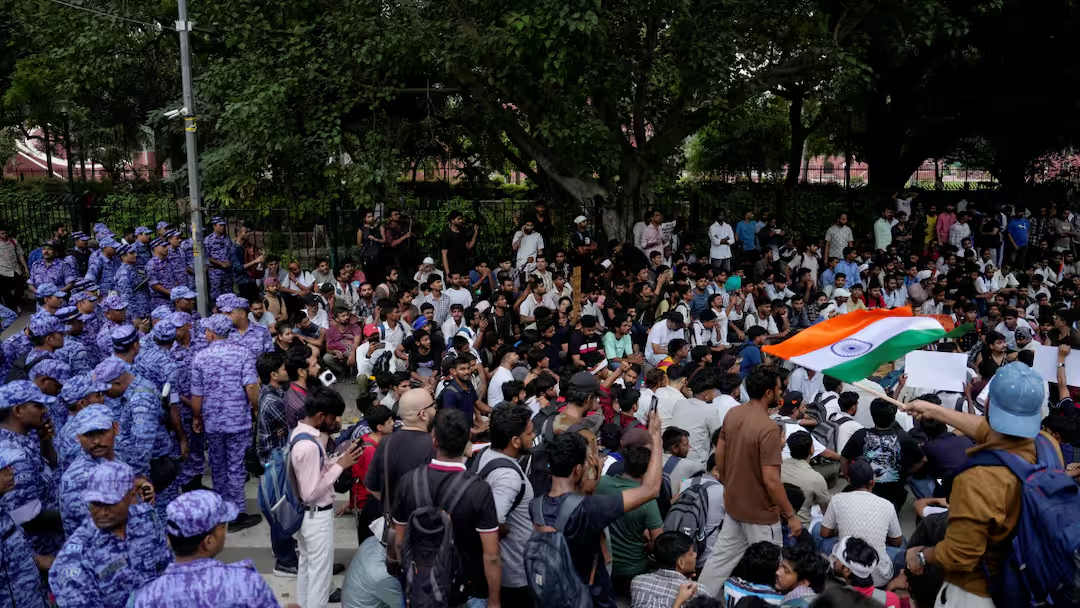


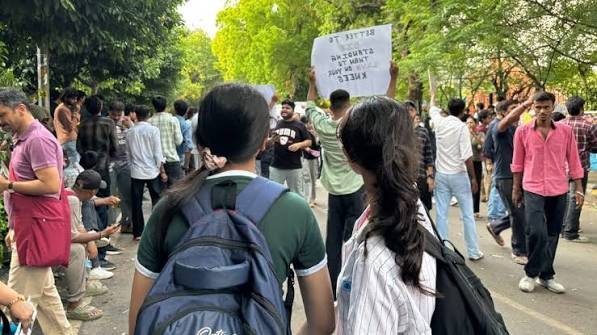


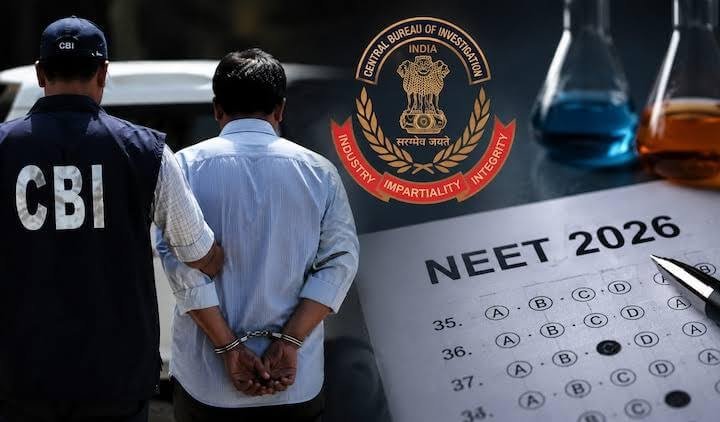
The case concerns allegations that material connected with the 2026 National Eligibility cum Entrance Test (Undergraduate), or NEET-UG, was leaked or circulated in advance of the examination. The Central Bureau of Investigation (CBI) is investigating whether any such circulation occurred, who may have been involved, and whether candidates gained improper access. At this stage, the allegation itself should not be treated as proof that the examination paper was compromised or that particular individuals committed an offence.
The sequence began with concerns and reports about possible question-paper circulation linked to the examination. Those concerns prompted scrutiny by authorities and the transfer or assignment of the criminal investigation to the CBI. Investigators then gathered material, including records and other evidence relevant to the alleged circulation, and examined the possible roles of people identified during the inquiry. The CBI subsequently filed an initial chargesheet, setting out its allegations against named accused and the evidence it says supports them. A chargesheet is an investigative filing, not a judicial finding of guilt.
The filing therefore marks a procedural stage rather than the end of the case. Its claims must be tested through the legal process, and the accused are entitled to contest the evidence. A court may determine whether the material is admissible and sufficient, and guilt is established only through a judicial decision. Public accounts of the investigation should distinguish what officials allege, what investigators report collecting, and what a court has actually found.
The broader concern is whether candidates had equal and secure access to the examination and whether any breach undermined confidence in NEET-UG’s fairness. The CBI’s remit also raises questions about the source and path of any allegedly circulated material, the people who may have handled it, and whether the inquiry extends beyond those already charged. Unless supported by official documents or reliable reporting, details about the method, timing, reach, or beneficiaries of an alleged leak should remain unasserted. The supplementary chargesheet may add investigative findings, but its implications depend on evidence presented and assessed in court.
Under Indian criminal procedure, a supplementary chargesheet is a further report filed by the investigating agency after an earlier chargesheet has been submitted. It may follow continuing investigation into the same alleged offence and place additional findings before the court. It does not automatically cancel or replace the original filing: the two reports are read as parts of the prosecution’s case, subject to the court’s procedures and decisions. A later filing can update the investigation record, but its existence alone does not establish that every allegation in it is accurate or that the case has been proved.
To understand what has changed in the NEET-UG matter, the new filing must be compared with the original chargesheet. Relevant additions could include further accused persons, alleged roles, evidence, investigative leads or detail about how the alleged conduct took place. Those additions should be attributed to the CBI and described as allegations unless independently established. The information provided for this account does not identify specific new accused, evidence or findings in the supplementary filing, so it would be misleading to assign particular roles or claim that a particular lead has been confirmed. Nor should material already presented in the original chargesheet be described as newly uncovered.
The distinction matters because a supplementary report may add to, clarify or expand the prosecution’s account without changing every part of the earlier case. Readers should therefore look for what the CBI expressly says is additional, and separate it from background or allegations previously reported. A chargesheet is an investigative document setting out the agency’s allegations and the evidence it proposes to rely on; it is not a judgment. The accused retain the right to contest the claims, and the prosecution must prove its case in court. Any account of the filing should preserve that distinction and avoid presenting allegations, investigative conclusions or reported evidence as judicial findings of guilt.
A paper-leak inquiry can involve several kinds of material, but their relevance depends on what investigators have actually collected and disclosed. Digital records may include device data, file metadata, access logs, or other traces that help establish when examination content was created, viewed, or shared. Communications and financial records may also be examined where investigators consider them relevant to contact, coordination, or alleged payments. These are possible lines of inquiry, not confirmation that any particular item appears in the CBI’s supplementary chargesheet. Claims about evidence attributed to the agency should be checked against the filing or reliable reporting based on it.
Investigators may also rely on witness statements, examination documents, and comparisons among versions of a paper or related materials. Such evidence could help test accounts of how a document was obtained or circulated, and whether alleged participants had a connection to its preparation, handling, or distribution. Yet a statement is not automatically proof, and an apparent link between people does not, by itself, establish knowledge or participation. The timing, source, and corroboration of each item matter. A chargesheet presents the prosecution’s allegations and supporting material; it is not a judicial finding that those allegations are true.
Important questions may therefore remain for the investigation and the court. The alleged chain of access and distribution needs to be established, including when and where the material was first compromised and how it reached others. Further inquiry may clarify whether additional people were involved, what each person is alleged to have done, and whether the available record supports those claims. Investigators may also need to assess the scale of any circulation and its practical effect on candidates or examination fairness. The court will determine whether evidence is admissible, reliable, and significant, while considering the defence response. Until those assessments occur, gaps or disputed accounts should not be treated as settled facts, and the filing alone cannot resolve the case.
A supplementary chargesheet adds material gathered after an earlier investigation; it does not, by itself, establish guilt or settle questions about the examination. The court must consider the filing and determine the next procedural steps, which may include taking cognizance of the offences alleged and ensuring that the accused receive the documents relied upon by the prosecution. The accused may contest the case, seek bail where relevant, or apply for discharge. If the matter proceeds, the court will hear the parties on whether charges should be framed before a trial, where evidence is tested and witnesses may be examined and cross-examined.
NEET-UG, Procedural updates should be reported precisely. A hearing listed on a cause list is only scheduled; it is not proof that arguments were heard or that an order was made. Any account of the case’s present status should therefore be checked against the latest signed court order or reliable reporting that identifies the order and date. If investigators are directed to continue inquiries, or identify additional evidence or suspects, further investigation and another report may follow, subject to the applicable criminal procedure and the court’s directions. Neither a filing nor a pending hearing should be described as a final finding.
For candidates, the case may affect confidence in the fairness and security of NEET-UG, but criminal proceedings do not automatically change scores, admissions, counselling, or future exam arrangements. Those remedies depend on decisions by the competent authorities or courts, and candidates should rely on formal notices rather than speculation. Verified updates can be monitored through the relevant court’s orders and cause lists, official CBI communications, and notices from the National Testing Agency and Ministry of Education. Comparing dates and documents across these sources helps distinguish allegations, scheduled proceedings, completed decisions, and any directions that actually affect candidates.